


The Islamic heritage sites in Riyadh offer one of the best ways to understand the city’s history. Faith has influenced everything from architecture and education to the way neighbourhoods developed and public spaces were designed.
While many visitors naturally notice Riyadh’s modern skyline first, some of its most significant landmarks tell a much older story about scholarship, community and the traditions that continue to influence everyday life across the Saudi capital. These are not simply places to admire beautiful architecture. They are places that help explain how Riyadh became the city it is today.
Imam Turki bin Abdullah Mosque
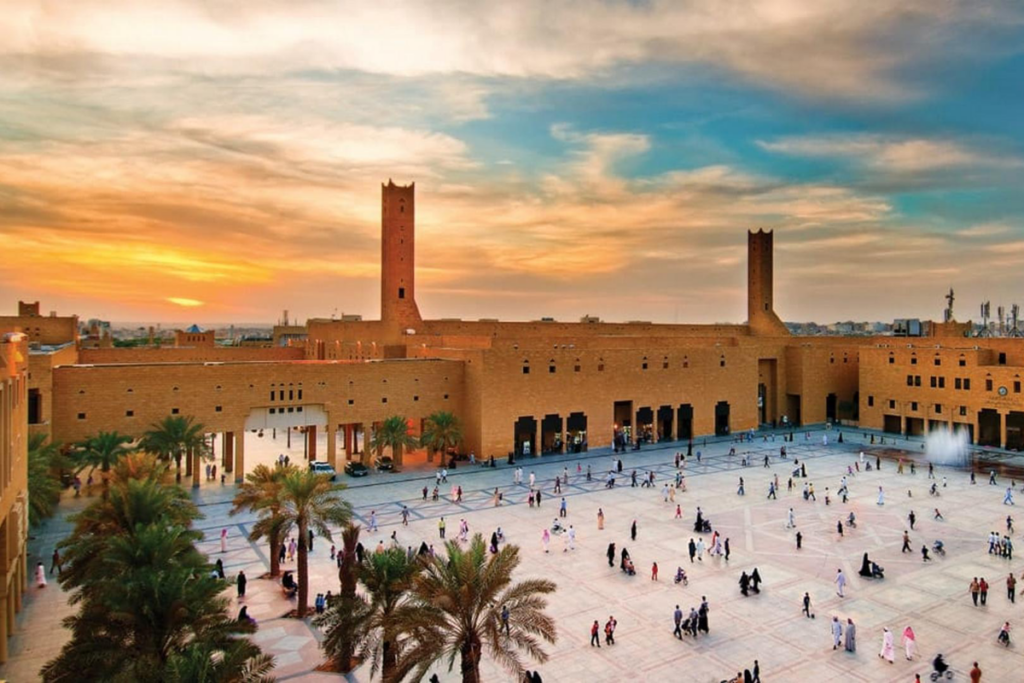
Few places demonstrate the relationship between faith and everyday life in Riyadh as clearly as Imam Turki bin Abdullah Mosque. Standing at the heart of the Qasr Al-Hukm District, the mosque has long been more than a place of worship. It sits alongside public squares, government buildings, and traditional commercial areas, reflecting the way many historic Islamic cities naturally developed around their central mosque.
Even visitors who are not entering the mosque itself can appreciate its importance by spending time exploring the surrounding district. Watching people move between the mosque, nearby markets, and public spaces offers a reminder that religion has never existed separately from daily life here.
Instead, it has helped shape the rhythm of the city for generations. It is one of the best places in Riyadh to understand how faith, community, and civic life have always been closely connected.
The Historic Mosques of At-Turaif
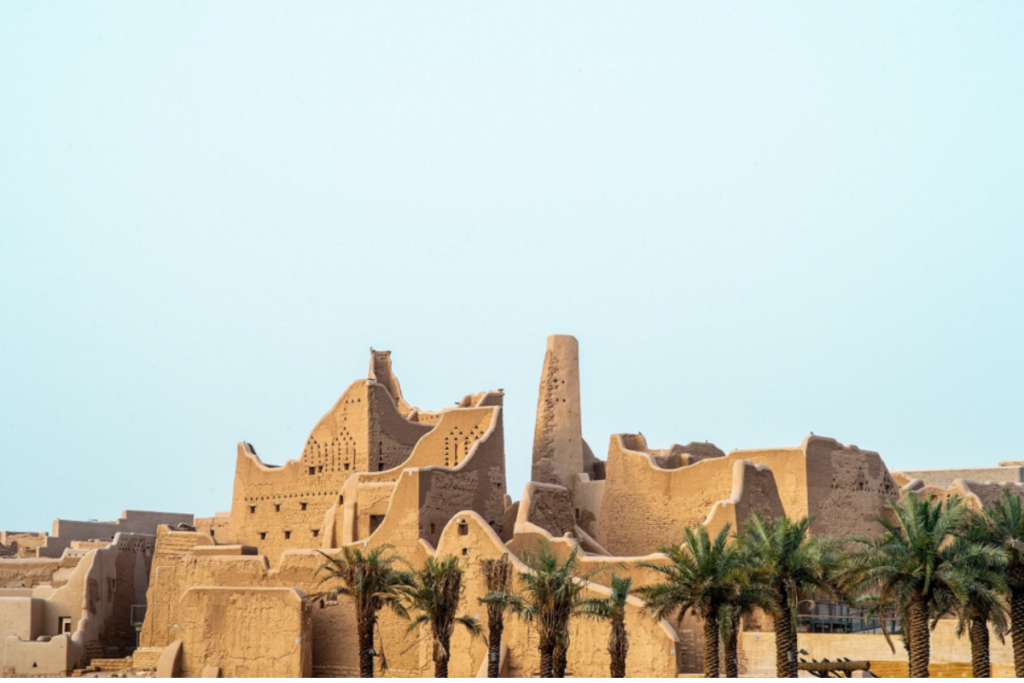
Most people visit At-Turaif because of its UNESCO World Heritage status. Spend a little more time looking at its historic mosques and another story begins to emerge.
Unlike the grand domes and elaborate decoration found in many parts of the Islamic world, traditional Najdi mosques were built with practicality in mind. Mud-brick construction, shaded courtyards and simple architectural details reflect both the local climate and the values of the communities that built them.
Their beauty comes from their restraint. Rather than competing with the surrounding landscape, these buildings feel like a natural extension of it, offering visitors a deeper appreciation of the architectural traditions that developed in central Arabia.
Imam Muhammad ibn Saud Islamic University
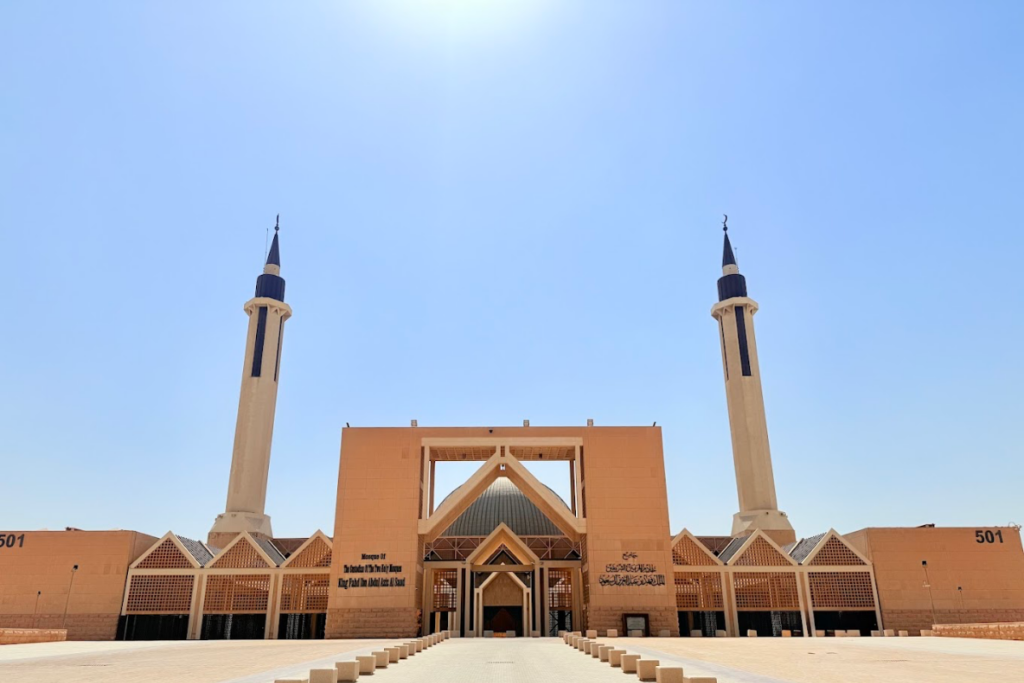
Islamic heritage is not only preserved through historic buildings. It is also carried forward through education. For decades, Imam Muhammad ibn Saud Islamic University has been one of Saudi Arabia’s leading centres for Islamic scholarship, attracting students from across the Kingdom and around the world.
While many universities focus solely on preparing students for future careers, this institution also reflects Riyadh’s long tradition of religious learning and academic study. It is an important reminder that Islamic heritage continues to evolve rather than existing only in the past. Scholarship remains just as much a part of Riyadh’s identity today as it was generations ago.
King Abdulaziz Foundation (Darah)
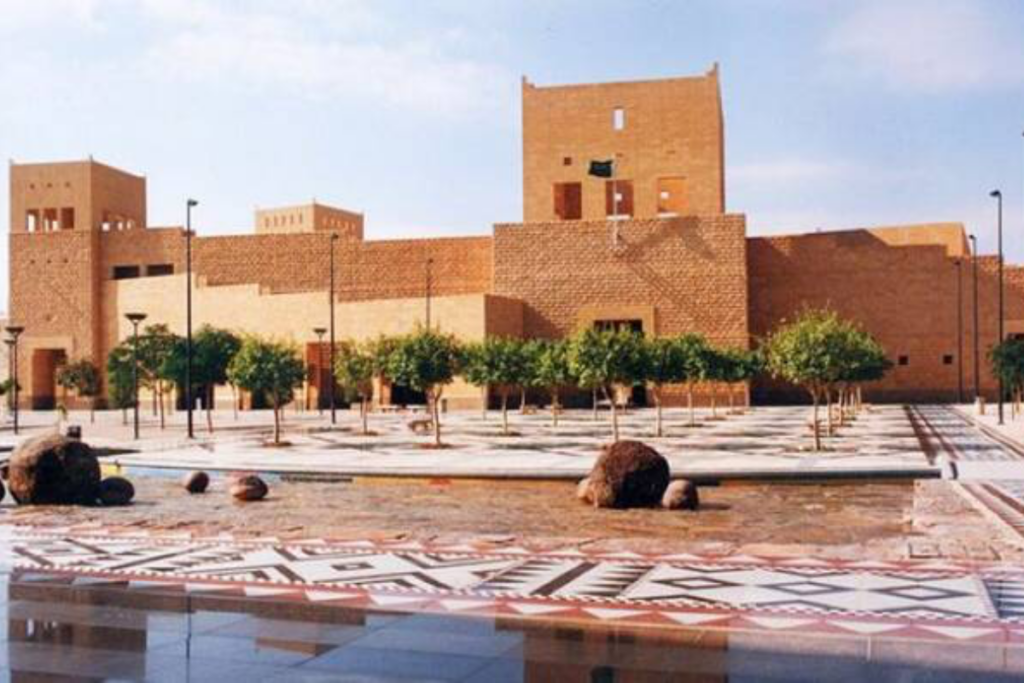
Some of the city’s most valuable pieces of Islamic heritage are not displayed in public squares or historic streets. They are carefully preserved inside archives and research collections.
The King Abdulaziz Foundation, better known as Darah, plays an important role in preserving manuscripts, historical documents, photographs and records that help tell the story of Saudi Arabia’s history, including the development of Islamic scholarship and the Kingdom itself.
Visitors often think of heritage as something they can walk through. Places like Darah are a reminder that preserving knowledge is just as important as preserving buildings. Without institutions like this, many of the stories behind Riyadh’s historic landmarks would gradually be lost.
Qasr Al-Hukm District
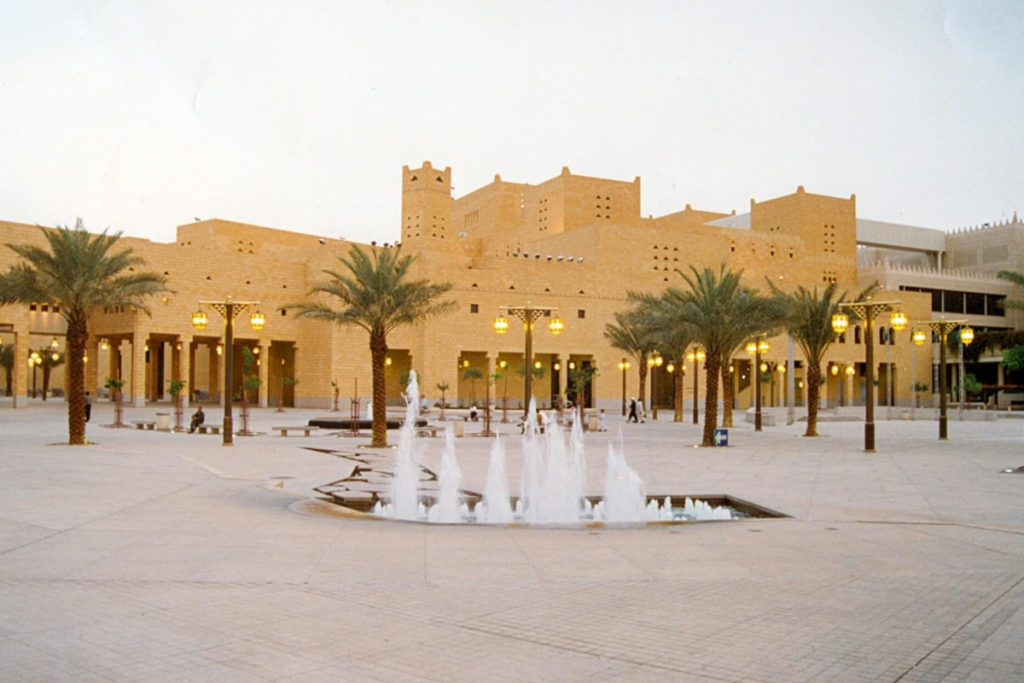
Some of Riyadh’s most important heritage sites are best understood together rather than individually. Qasr Al-Hukm District brings together Imam Turki bin Abdullah Mosque, historic public squares, traditional architecture and government buildings in a way that reflects how Islamic cities have developed for centuries. Rather than separating religion, commerce and civic life into different parts of the city, these functions grew alongside one another.
Walking through the district today offers more than an opportunity to admire restored buildings. It provides a glimpse into the way Riyadh functioned long before modern neighbourhoods expanded beyond the old city walls. Understanding that relationship helps visitors appreciate why this area remains one of the most significant cultural districts in the capital.
Islamic Heritage Continues to Shape Riyadh
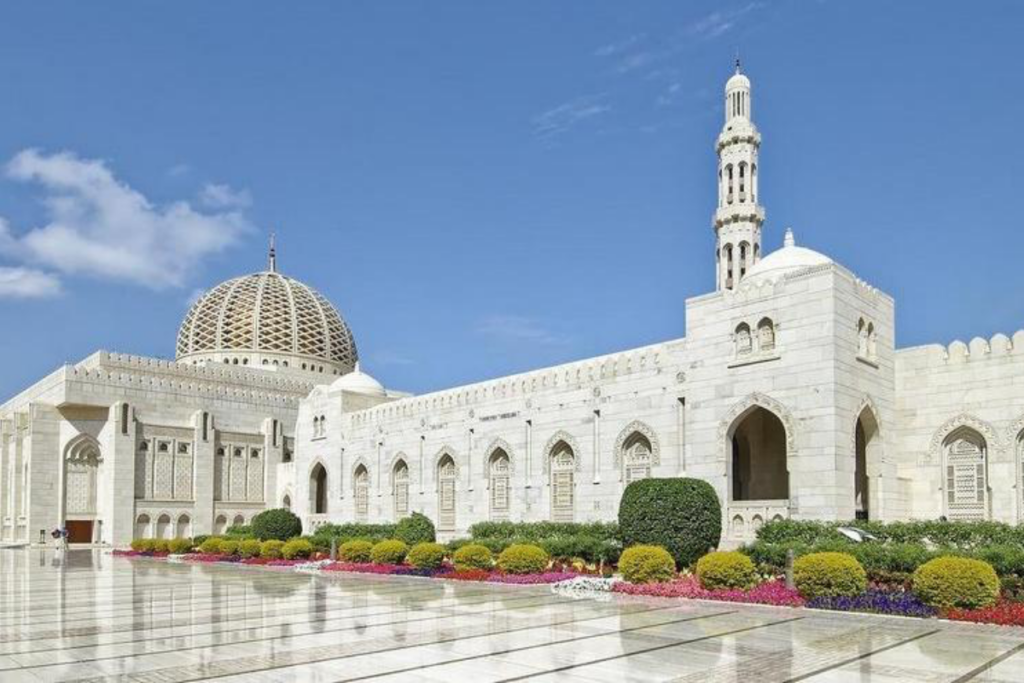
One of the most interesting things about Riyadh’s Islamic heritage is that it has never been confined to the past. It continues to influence the city’s architecture, educational institutions, public spaces, and cultural identity today. The buildings themselves are important, but they only tell part of the story.
The traditions of scholarship, community, and faith that shaped these places continue to shape Riyadh as it grows into one of the Middle East’s most dynamic capitals.
Spend time exploring these sites, and you leave with more than an appreciation of historic architecture. You begin to understand the values that helped build the city itself.
Explore more of Riyadh’s historic landmarks, cultural attractions, museums, and hidden gems with The Riyadh Atlas.