


Not every old building becomes a heritage site. A place earns that status because it tells part of a much bigger story. The historical places in Riyadh tell the story of the birth of the Saudi state, the unification of the kingdom, the growth of the capital, and traditions that continue to shape everyday life.
That is what makes Riyadh’s heritage sites so interesting. They have not been preserved simply because they are old. They have been protected because they tell the story of how Saudi Arabia became the country it is today. Once that becomes the focus, these sites stop feeling like individual attractions and start feeling like chapters in the same story.
Historic Places That Tell the Story of Riyadh
At-Turaif Historic District
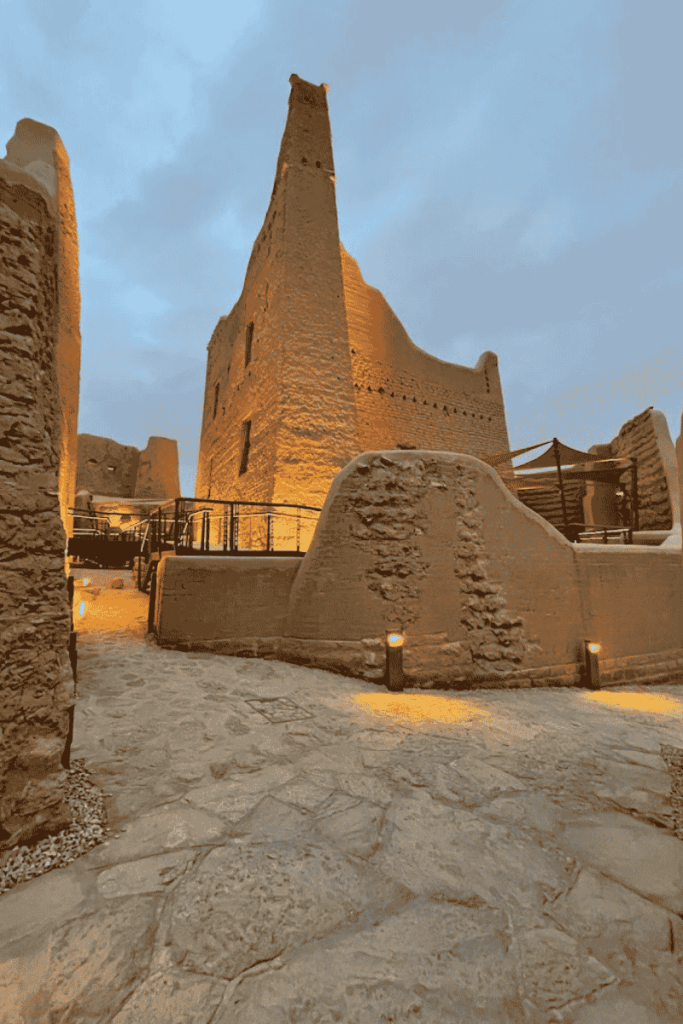
Every journey through Riyadh’s history should begin at At-Turaif. As the seat of the First Saudi State, this UNESCO World Heritage Site is where one of the most important chapters in Saudi history unfolded. The mudbrick palaces, defensive walls, and narrow alleyways are beautiful in their own right, but the history behind them is what gives the district its real significance.
One of the first things visitors notice is how quiet At-Turaif feels once they step inside. It is only a short distance from one of the busiest parts of Riyadh, yet the atmosphere changes completely.
The longer one spends walking through the district, the easier it becomes to appreciate the details, from traditional Najdi architecture to the way entire neighbourhoods were designed around the climate and daily life.
It is worth taking time here rather than rushing through. Almost every building has its own story, and understanding that history transforms the experience from simply admiring old architecture to standing where the foundations of the Saudi state were established.
Masmak Fortress
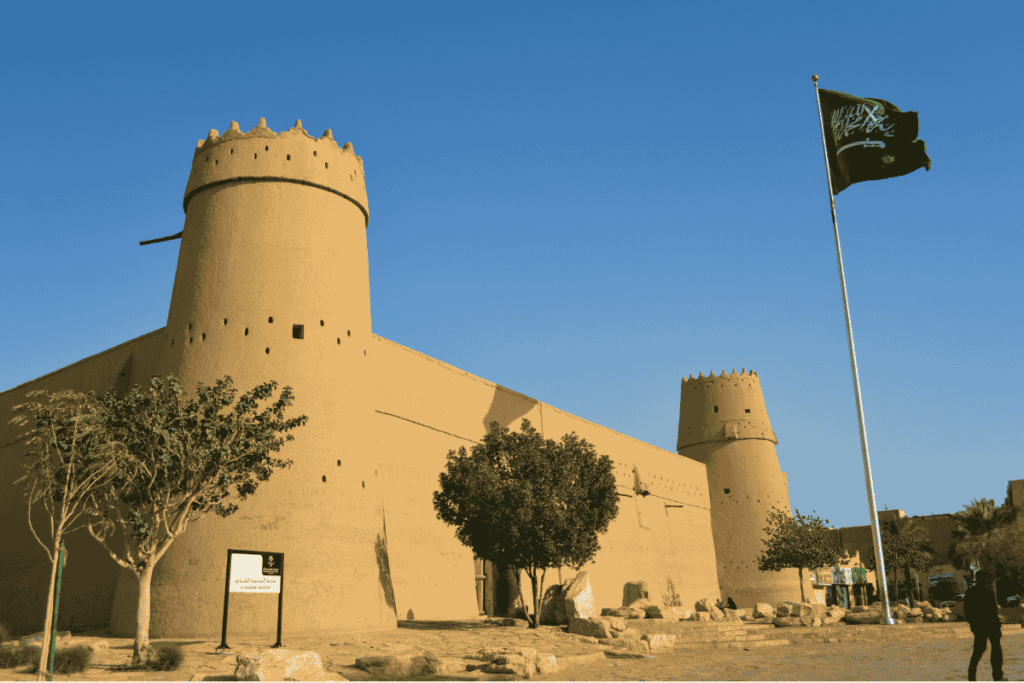
Masmak Fortress is smaller than many people expect. Its importance has never been about its size. It comes from what happened within its walls. In 1902, King Abdulaziz recaptured Riyadh here, beginning the campaign that eventually led to the unification of Saudi Arabia. It remains one of the defining moments in the country’s history, and the museum does an excellent job of explaining why.
Inside, displays, historic photographs, and artefacts help bring the events to life without overwhelming visitors with information. It is a relatively quick visit, but it is one that gives much greater meaning to everything else you see across Riyadh’s historic districts.
Murabba Historical Palace
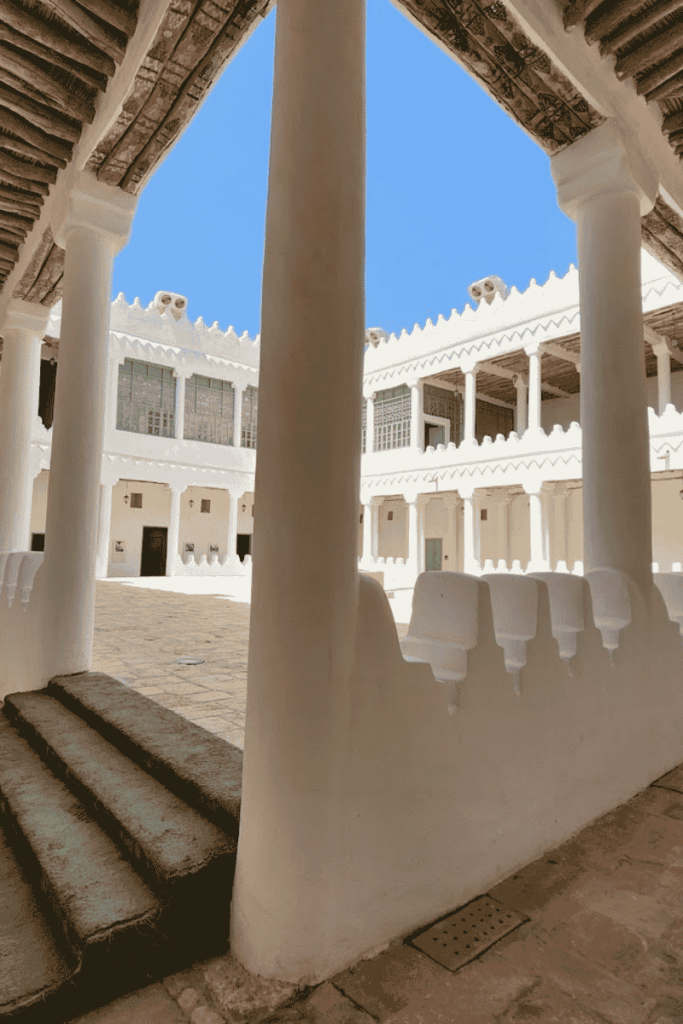
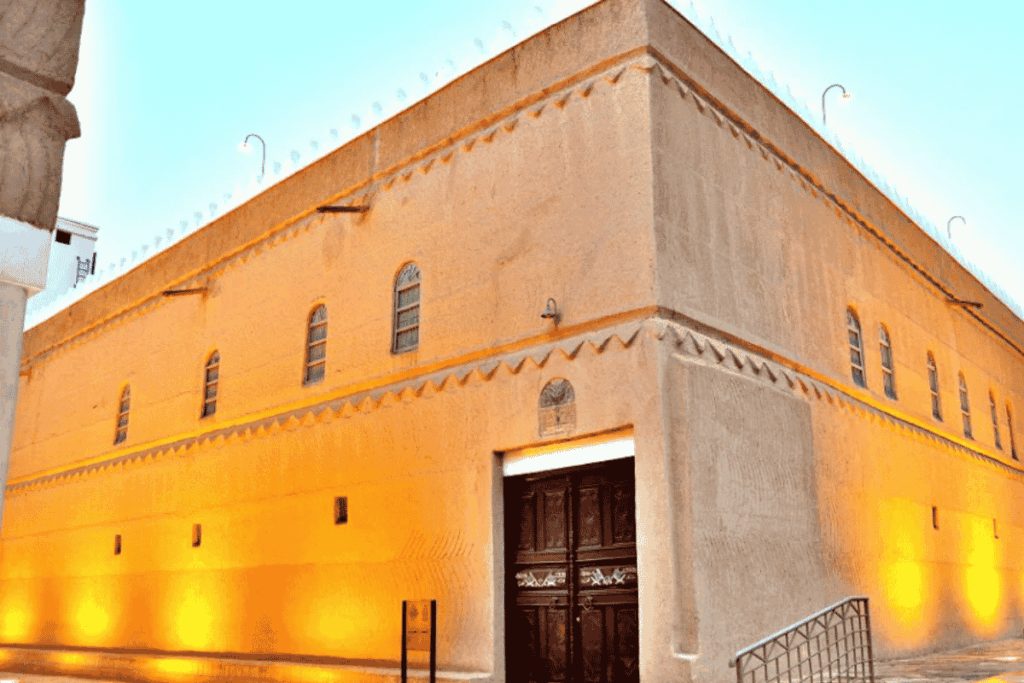
Murabba Historical Palace represents a different stage in Riyadh’s development. When King Abdulaziz commissioned the palace during the late 1930s, it stood beyond the city’s original walls and reflected a capital that was beginning to expand. While the architecture remained rooted in traditional Najdi design, the scale of the palace hinted at a country entering a new period of growth.
Standing in the grounds today creates an interesting contrast. Modern Riyadh stretches in every direction, making it difficult to imagine that this was once considered the edge of the city. It is one of the easiest places to appreciate just how dramatically Riyadh has changed within a relatively short period of history.
Qasr Al-Hukm
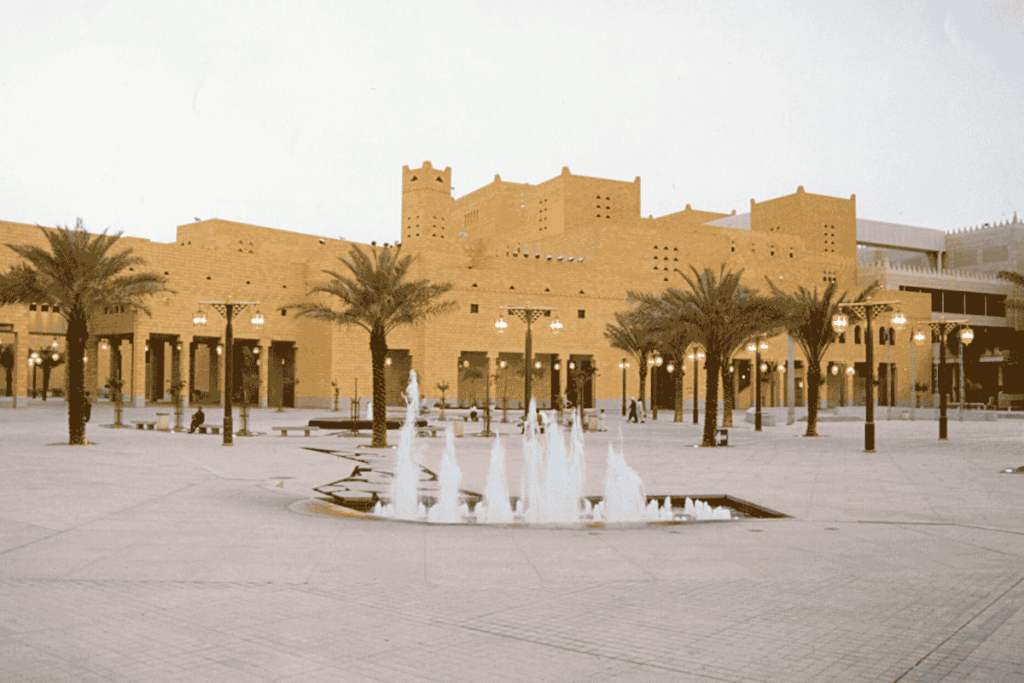
Some heritage sites preserve buildings. Qasr Al-Hukm preserves the role a place has played for centuries. This district has long been the administrative and civic heart of Riyadh. Historic government buildings, Imam Turki bin Abdullah Grand Mosque and carefully restored public spaces continue to make it one of the city’s most important areas.
Unlike many historic quarters around the world, Qasr Al-Hukm never feels frozen in time. Government offices still operate nearby, worshippers continue to fill the mosque and people move through the district as part of everyday life.
That constant activity gives the area an authenticity that is difficult to recreate. Walking through the district makes it easy to see how old Riyadh continues to exist alongside the modern capital rather than being separated from it.
Souq Al Zal
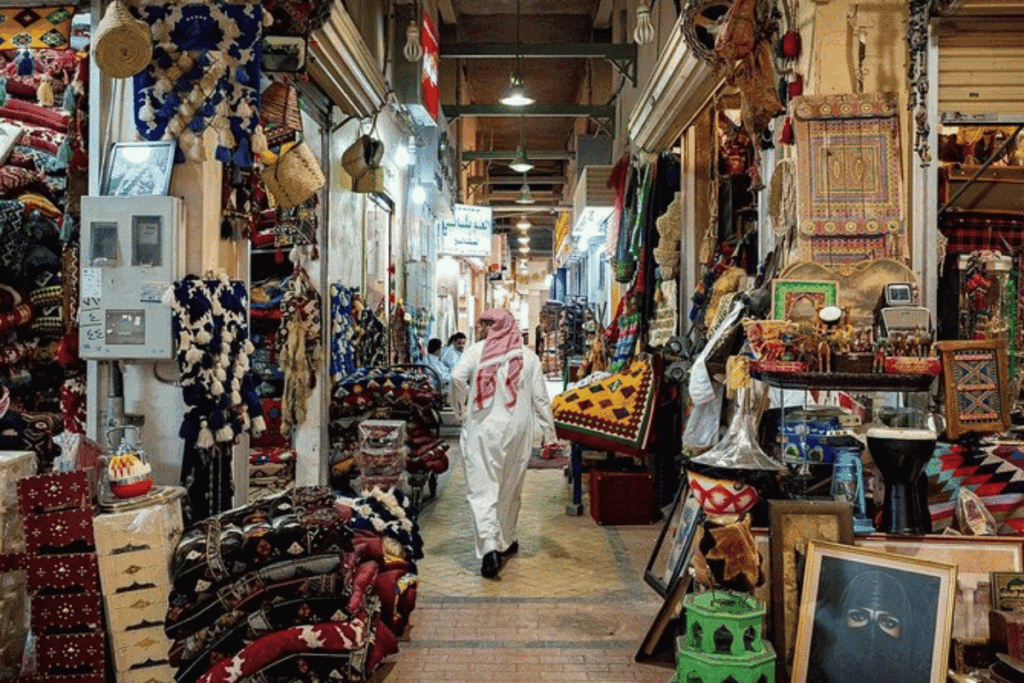
Heritage is not always found behind museum doors. Souq Al Zal has been part of Riyadh for generations and remains one of the city’s oldest traditional markets. It is the sort of place where wandering without a plan usually leads to the most interesting discoveries.
One alley might be lined with antique brass coffee pots, while another is filled with carpets, traditional clothing, handmade goods, or the unmistakable scent of oud drifting from nearby shops. Many of the traders have spent years, sometimes decades, working here, giving the market a sense of continuity that feels increasingly rare.
Even visitors who arrive with no intention of buying anything often end up staying longer than expected simply because there is so much to look at.
Diriyah
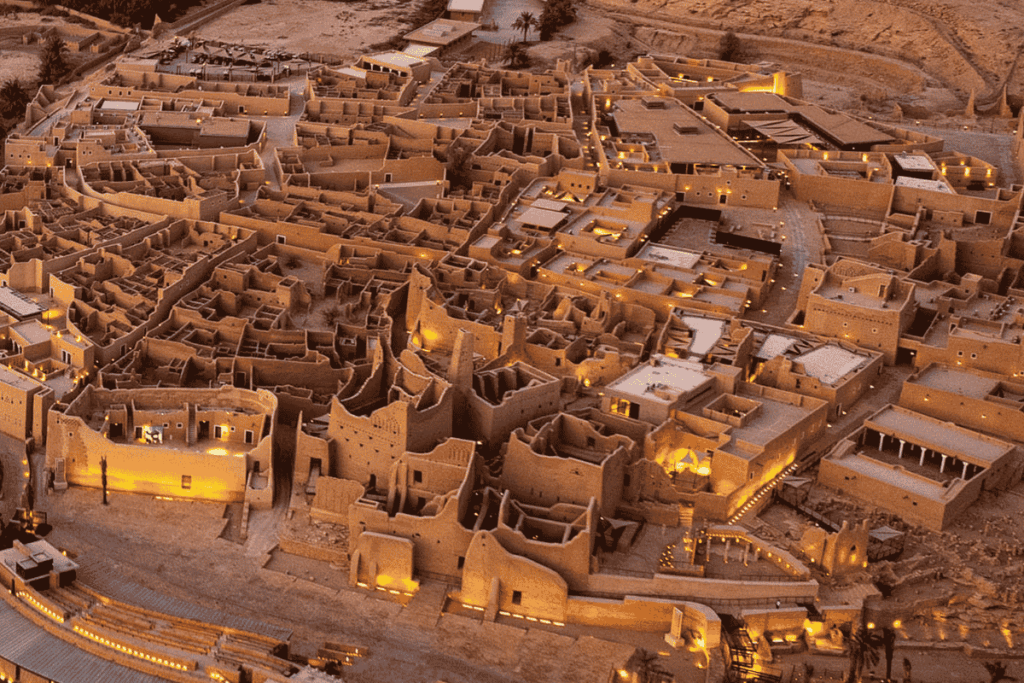
Although At-Turaif is the historic centre, the wider Diriyah project tells an equally important story. Rather than restoring a handful of buildings, Saudi Arabia has invested in preserving an entire heritage destination. Historical museums, restored neighbourhoods, cultural spaces and public walkways have all been carefully developed while respecting the area’s historical character.
It is one of the best examples of heritage conservation in the Kingdom because the goal has never been to lock history away. Instead, Diriyah has become somewhere people spend an evening, meet friends for dinner, or return to several times rather than visiting once and moving on. That balance between preservation and everyday life is part of what makes the area so successful.
King Abdulaziz Historical Center
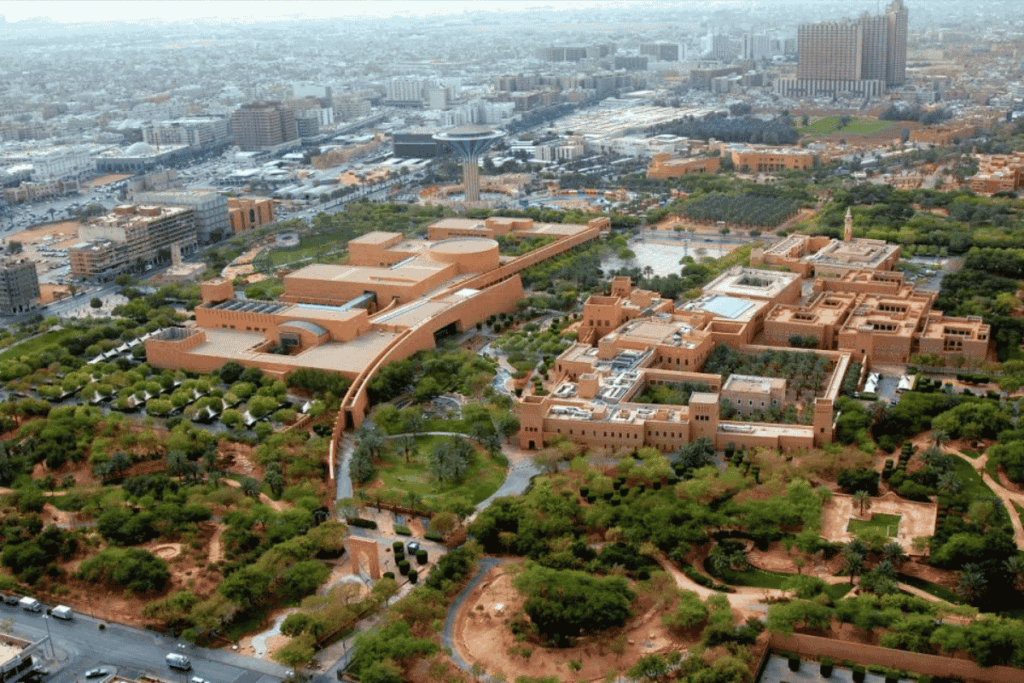
Some heritage sites explain one moment in history. The King Abdulaziz Historical Center helps connect them all. Built around Murabba Historical Palace, the complex brings together cultural institutions, gardens, and the National Museum, making it one of the best places to understand how Riyadh developed over time.
Visiting after places like At-Turaif or Masmak often changes the experience. The timeline becomes clearer, the connections between different landmarks begin to make sense, and the wider story of Saudi Arabia feels much easier to follow. Rather than replacing Riyadh’s heritage sites, the historical centre helps explain why each one matters.
Why Riyadh’s Heritage Sites Matter
One thing becomes clear after exploring Riyadh’s heritage sites. None of them tells the whole story on its own. At-Turaif explains where the First Saudi State began.
Masmak Fortress captures the moment Riyadh was reclaimed. Murabba reflects the city’s early expansion, while Qasr Al-Hukm and Souq Al Zal show that history is still woven into everyday life rather than preserved behind glass.
Diriyah demonstrates how heritage can be protected without losing its relevance, and the King Abdulaziz Historical Center helps bring those stories together.
That is what makes these places heritage sites. They have not been protected simply because they are old. They have been protected because they continue to explain how Saudi Arabia became the country it is today. Seen individually, they are fascinating landmarks. Seen together, they tell the story of a nation.
Find more family days out, hidden attractions, and local experiences across Riyadh on The Riyadh Atlas.