


Saudi Arabia is a large country, and its traditions are not the same everywhere. The food, architecture, customs and cultural influences found in Riyadh are shaped by the Najd region, the vast central plateau that has played an important role in the Kingdom’s history.
These traditional Saudi experiences in Riyadh offer visitors an authentic introduction to the city’s rich heritage and cultural identity. While visitors can experience Saudi culture across the country, some traditions feel particularly connected to Riyadh and the region surrounding it. That is part of what makes exploring the city so interesting.
Riyadh is modern, fast-growing, and increasingly global, yet traces of traditional Najdi culture remain visible throughout everyday life. You see it in the food people eat, the architecture that defines historic districts, and the customs that continue to shape social gatherings and hospitality.
If you want to understand what makes Riyadh distinct, these are some of the traditional experiences worth seeking out.
Explore At-Turaif in Diriyah
If there is one place that explains Riyadh better than anywhere else, it is Diriyah. As the birthplace of the first Saudi state, At-Turaif is one of the most important heritage sites in the Kingdom. The architecture, narrow streets, and historic buildings offer a glimpse into a period of history that continues to influence Saudi Arabia today.
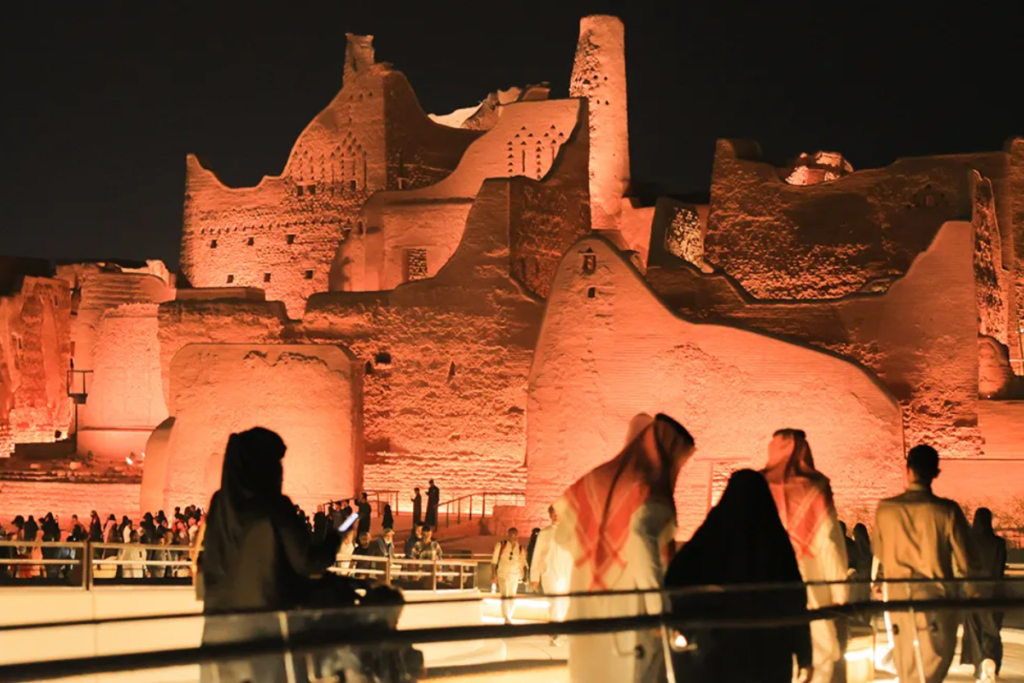
What makes Diriyah particularly interesting is that it introduces visitors to traditional Najdi architecture. The thick mudbrick walls, geometric patterns and distinctive building styles are closely associated with central Arabia and look noticeably different from the architecture found in other regions of the country.
Spend a few hours here and many aspects of Riyadh begin to make more sense. It is not simply a historical site. It is one of the places where the story of the city begins.
Try Traditional Najdi Cuisine
If you really want to understand a place, start with the food. Riyadh sits in the heart of the Najd region, and many traditional dishes remain an important part of local cuisine.
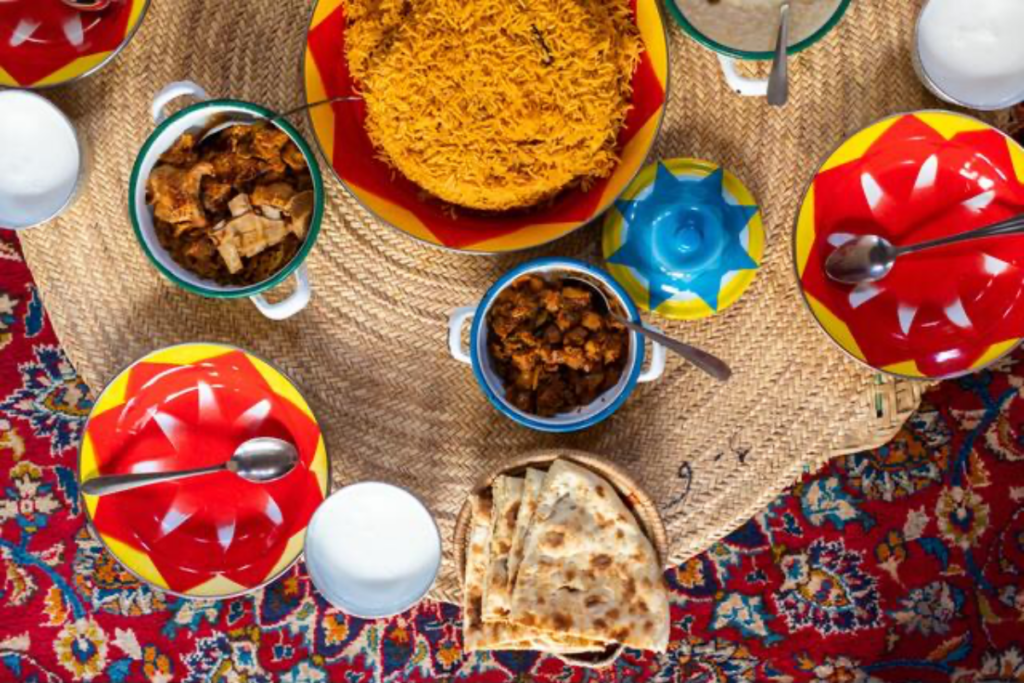
Meals such as jareesh, qursan and margoog have been served in central Arabia for generations, while desserts such as hanini continue to appear on menus throughout the cooler months.
These dishes reflect the environment in which they developed. Ingredients were chosen based on what was available, creating meals that were practical, filling, and designed to bring people together around a shared table. Trying traditional Najdi food offers a better understanding of the region than almost any guidebook ever could.
Experience a Traditional Saudi Majlis
Hospitality remains one of the most important parts of Saudi culture. A traditional majlis is more than a seating area. It is a space designed for conversation, welcoming guests and bringing people together.
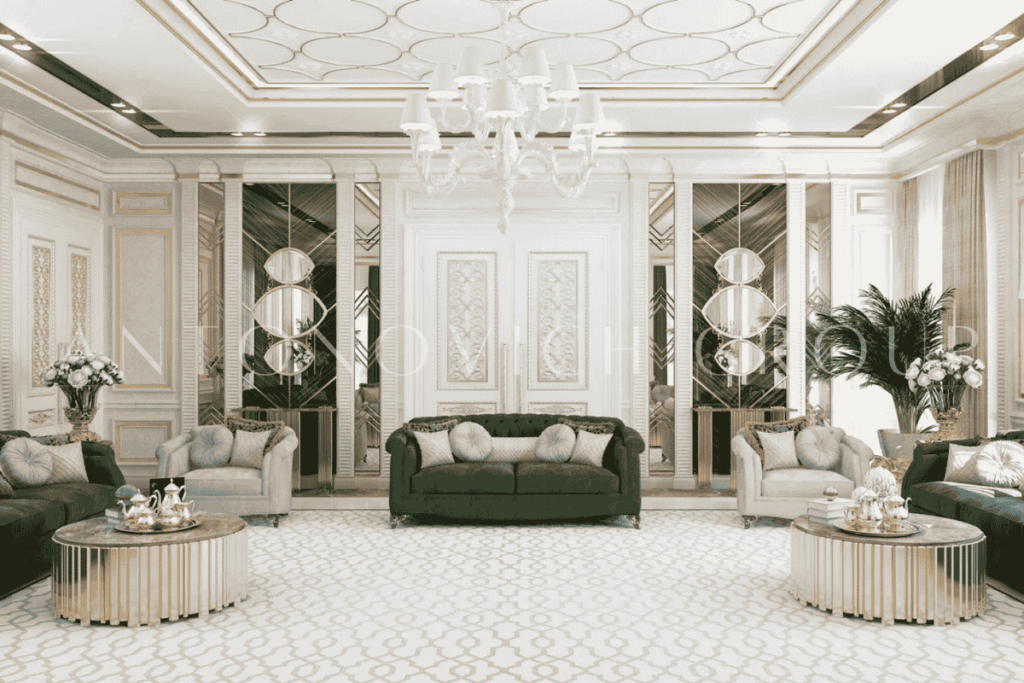
While modern homes may look different from their historical counterparts, the importance of gathering, sharing coffee, and spending time with family and friends remains largely unchanged. Visitors may encounter majlis culture during cultural events, heritage experiences or visits to traditional settings throughout Riyadh.
The experience offers insight into social customs that continue to shape everyday life across the Kingdom. Understanding the majlis helps explain why hospitality remains such a defining feature of Saudi culture.
Visit Souq Al Zal
Long before Riyadh became known for its modern shopping centres, people gathered in traditional markets like Souq Al Zal. Today, it remains one of the city’s most interesting places to explore.
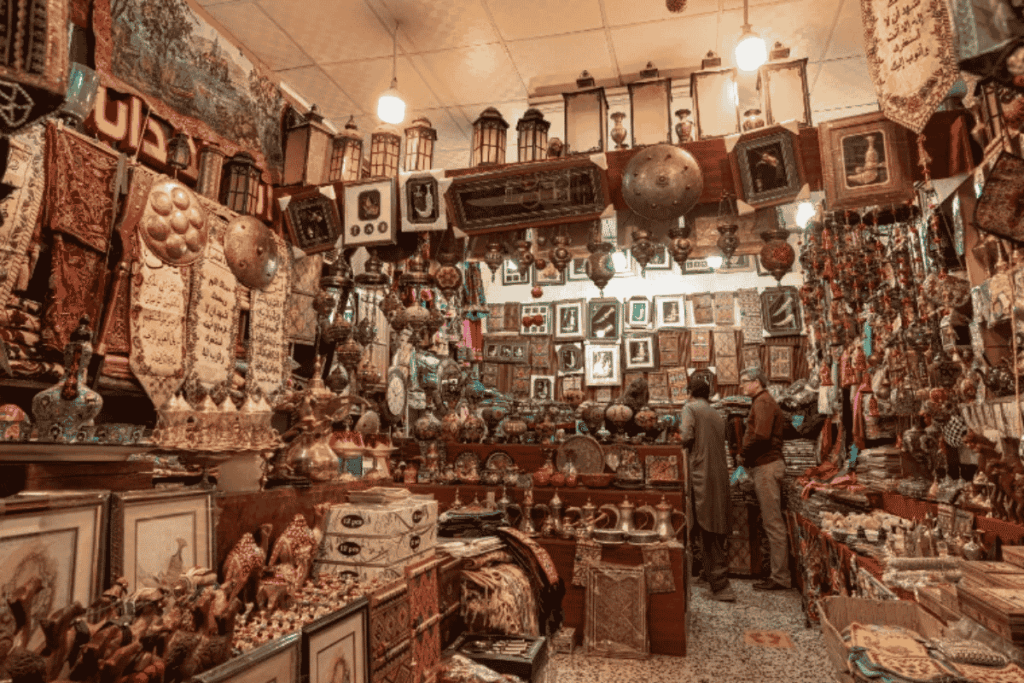
Antique shops sit alongside stalls selling traditional clothing, carpets, handicrafts, incense and household items, creating an atmosphere that feels very different from the malls that dominate much of modern retail life. Part of what makes the market so enjoyable is that it still serves a purpose beyond tourism.
People continue to shop here for items connected to traditional Saudi culture, helping preserve skills and crafts that have been passed down through generations. For visitors, it offers a chance to experience a side of Riyadh that has not completely disappeared beneath the city’s rapid growth.
Discover the Importance of Oud and Bukhoor
One of the first things many visitors notice in Saudi Arabia is the scent. Oud and bukhoor play an important role in homes, gatherings and special occasions throughout the Kingdom. They are used to welcome guests, perfume living spaces and create a sense of occasion during celebrations and family events.
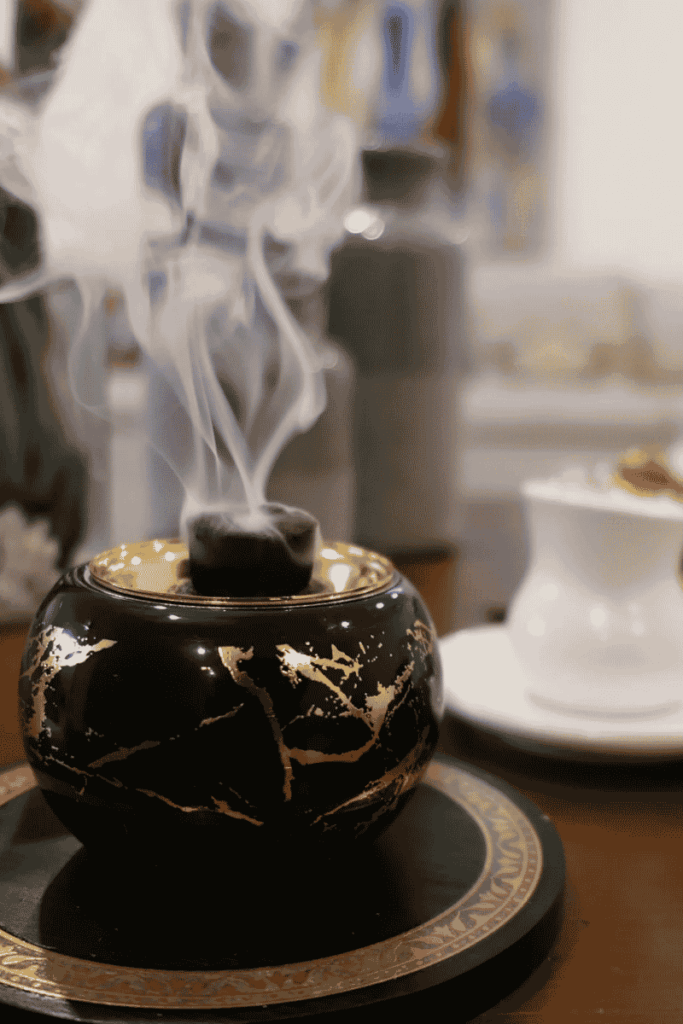
While fragrances are important across the Gulf region, they remain particularly visible in everyday life throughout Riyadh. Shops specialising in oud and incense can be found across the city, while traditional markets offer opportunities to learn more about the different scents and their uses. It is a small detail, but one that reveals a great deal about local customs and hospitality.
Visit Al Masmak Fortress
Few places connect visitors to Riyadh’s history as directly as Al Masmak. The fortress played a central role in the recapture of Riyadh by King Abdulaziz in 1902 and remains one of the city’s most significant historical landmarks.
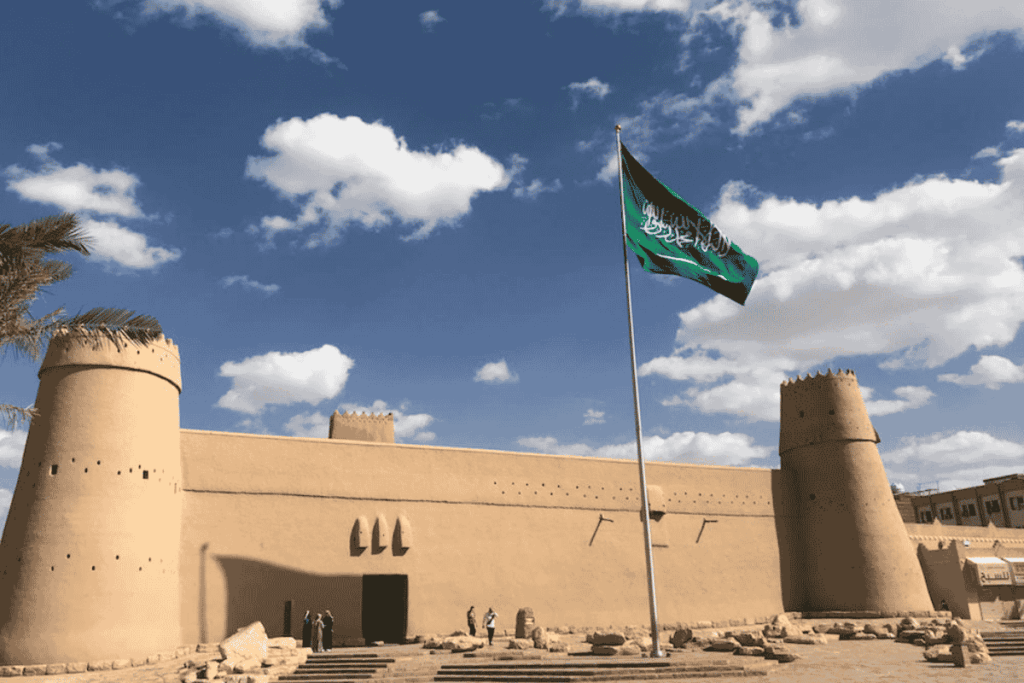
Unlike some historical sites that feel distant from modern life, Al Masmak sits at the centre of Riyadh’s story. Standing inside the fortress creates a connection to events that helped shape the kingdom.
It also provides another opportunity to appreciate traditional Najdi architecture and building techniques. Together with Diriyah, it helps explain how Riyadh evolved from a regional settlement into the capital city it is today.
Understanding Riyadh Through Najdi Culture
It is impossible to spend time in Riyadh without noticing the contrast between old and new. One moment you are walking through a UNESCO World Heritage Site. Next you are driving past glass towers, contemporary art spaces, and some of the region’s most ambitious developments.
What makes Riyadh interesting is not that it is traditional or modern. It is that it manages to be both at the same time. Understanding Najdi culture helps make sense of that contrast.
The food, architecture, customs, and traditions that shaped life in central Arabia continue to influence the city, even as Riyadh continues to evolve. For visitors, these experiences offer more than a glimpse into the past. They help explain why Riyadh feels the way it does today.
Explore The Riyadh Atlas for local heritage sites, traditional food, hidden gems, museums, and authentic experiences across the Saudi capital.