


Riyadh is often described as a city focused on the future. Yet some of the most important cultural places to visit in Riyadh reveal the people, places and events that shaped the Saudi capital long before its modern skyline emerged.
Spend enough time here, however, and it quickly becomes clear that understanding Riyadh also means understanding the people, places, and events that shaped it.
The Saudi capital is home to gleaming skyscrapers, major developments, and some of the region’s most ambitious projects, but some of its most interesting attractions tell a much older story. From the birthplace of the First Saudi State to traditional markets that continue to operate today, these are the places that help explain Riyadh beyond its modern skyline.
While Riyadh’s modern developments often attract the most attention, these cultural landmarks reveal the history and traditions that continue to shape the city today.
Must-Visit Cultural Attractions in Riyadh
At-Turaif, Diriyah
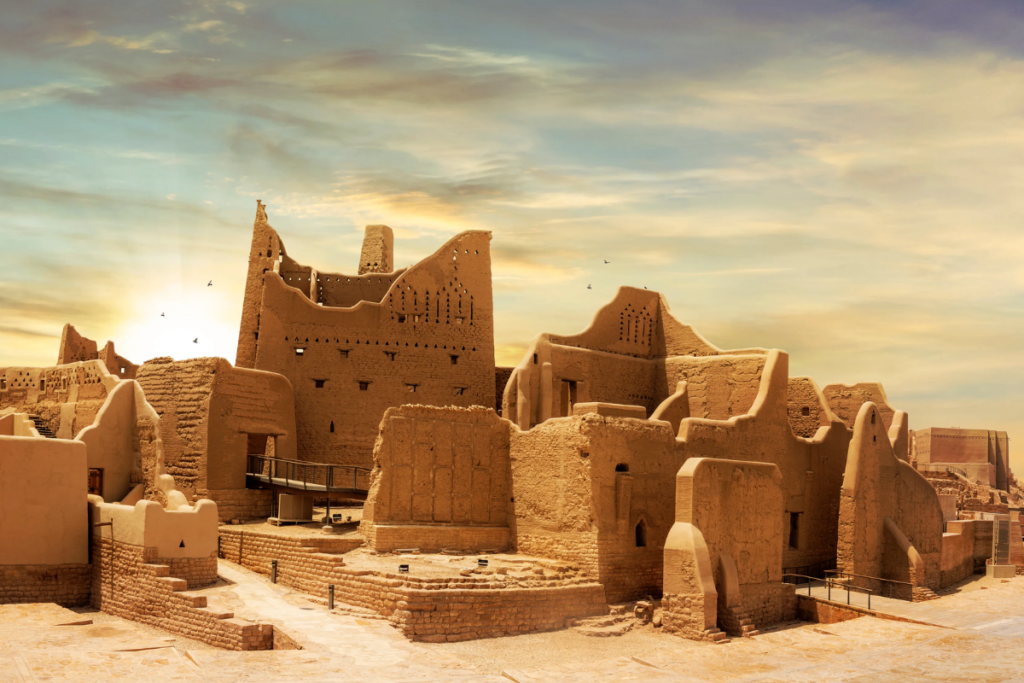
It is impossible to talk about Riyadh’s history without talking about Diriyah. Located on the northwestern edge of the city, At-Turaif is one of the most important historical sites in Saudi Arabia and the birthplace of the First Saudi State. Today, the UNESCO World Heritage Site stands as one of the country’s most significant cultural landmarks.
What makes At-Turaif special is not just its history but its atmosphere. Walking through the restored mudbrick district offers a glimpse into a very different Arabia, long before modern Riyadh emerged as the capital we know today.
Traditional Najdi architecture, winding pathways and carefully restored buildings help bring that history to life in a way that museums alone often cannot. Even for residents who have lived in Riyadh for years, it remains one of the most important places to visit.
Bujairi Terrace
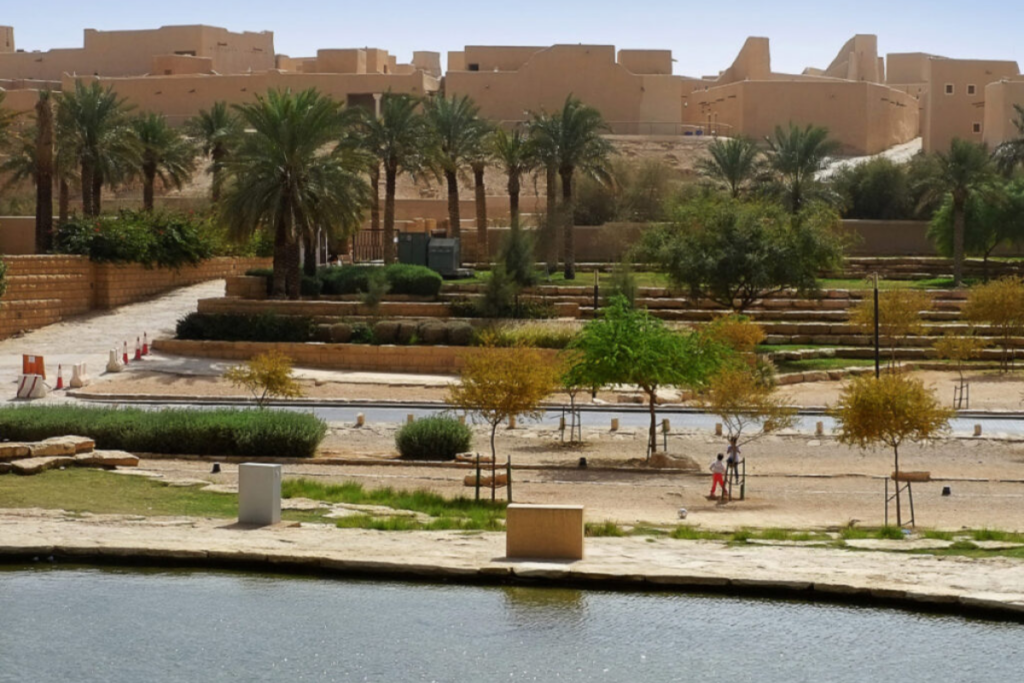
Most people visit Bujairi Terrace for the restaurants, but that is only part of the story. Positioned directly opposite At-Turaif, the district offers some of the best views of Riyadh’s most important historical site.
Sitting here as the sun begins to set, with the mudbrick walls of Diriyah illuminated across the valley, provides a perspective on Riyadh that feels very different from the city’s business districts and modern developments.
What makes Bujairi Terrace interesting is the way it connects old and new Riyadh. It is a place where heritage is not hidden behind ropes or display cases. Instead, it forms part of everyday life, creating one of the most unique cultural experiences in the city.
National Museum of Saudi Arabia
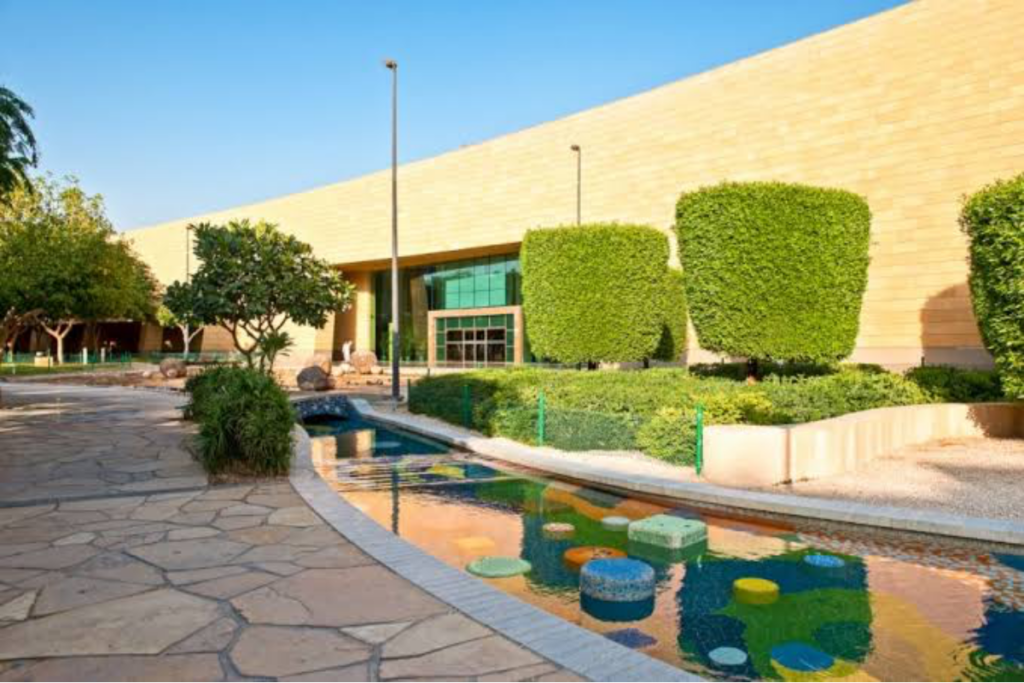
If you only visit one museum in Riyadh, make it the National Museum. The museum provides the clearest introduction to Saudi Arabia’s history, culture and development, covering everything from the geography of the Arabian Peninsula and early civilisations to Islamic history and the formation of the modern Kingdom.
What it does particularly well is provide context. Many of Riyadh’s historical sites become far more meaningful after a visit here because visitors gain a better understanding of the people, events and traditions behind them. Rather than feeling like a collection of artefacts, the museum feels like a guide to understanding the country itself.
Al Masmak Fortress
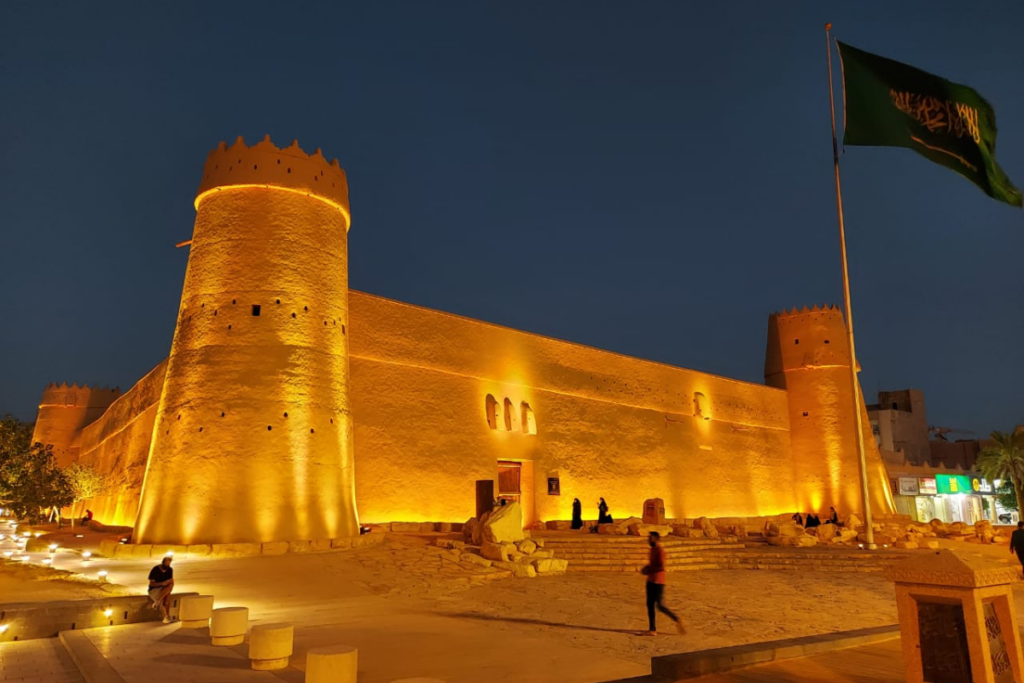
Few buildings are more important to the story of modern Saudi Arabia than Al Masmak Fortress. Built from clay and mudbrick during the nineteenth century, the fortress became famous after King Abdulaziz captured it in 1902, an event that helped pave the way for the unification of the Kingdom.
Today, visitors can walk through the fort and learn more about one of the most significant moments in Saudi history. The building itself is relatively modest compared to some of Riyadh’s larger attractions, but that is part of its appeal. It feels authentic, historic and deeply connected to the story of how modern Saudi Arabia came to be.
King Abdulaziz Historical Centre
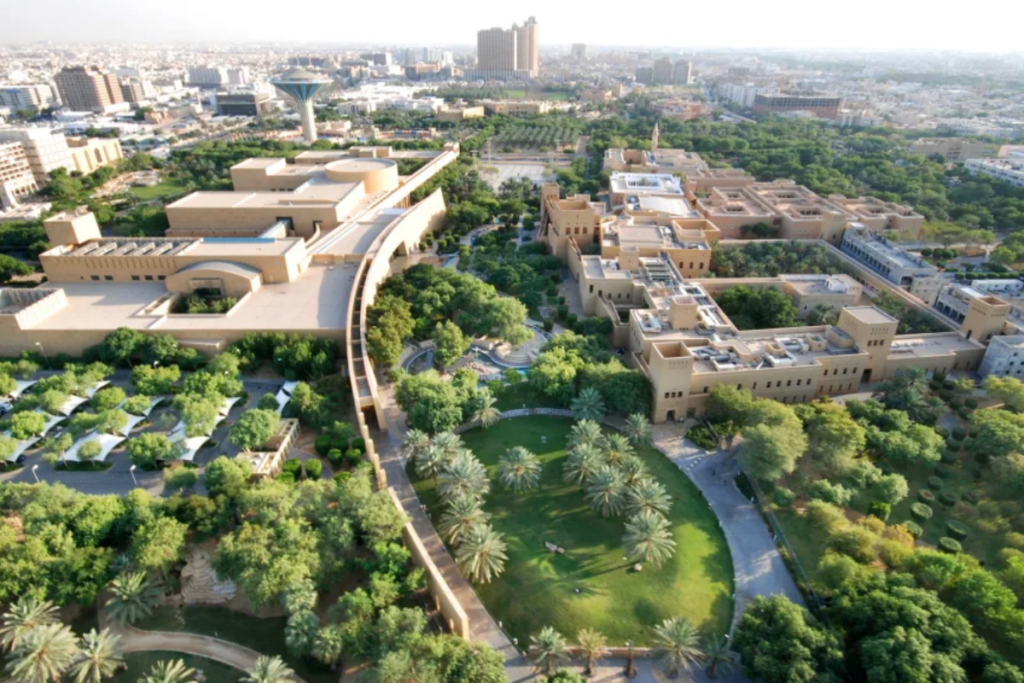
Some attractions help explain a single event or period in history. King Abdulaziz Historical Centre helps explain the bigger picture. Home to the National Museum and several other cultural landmarks, the district serves as one of Riyadh’s most important cultural destinations.
It brings together history, education and public spaces in a way that encourages visitors to spend time exploring rather than rushing between attractions. For anyone interested in understanding how Saudi Arabia developed over the past century, it is well worth setting aside a few hours to explore properly.
Souq Al Zal
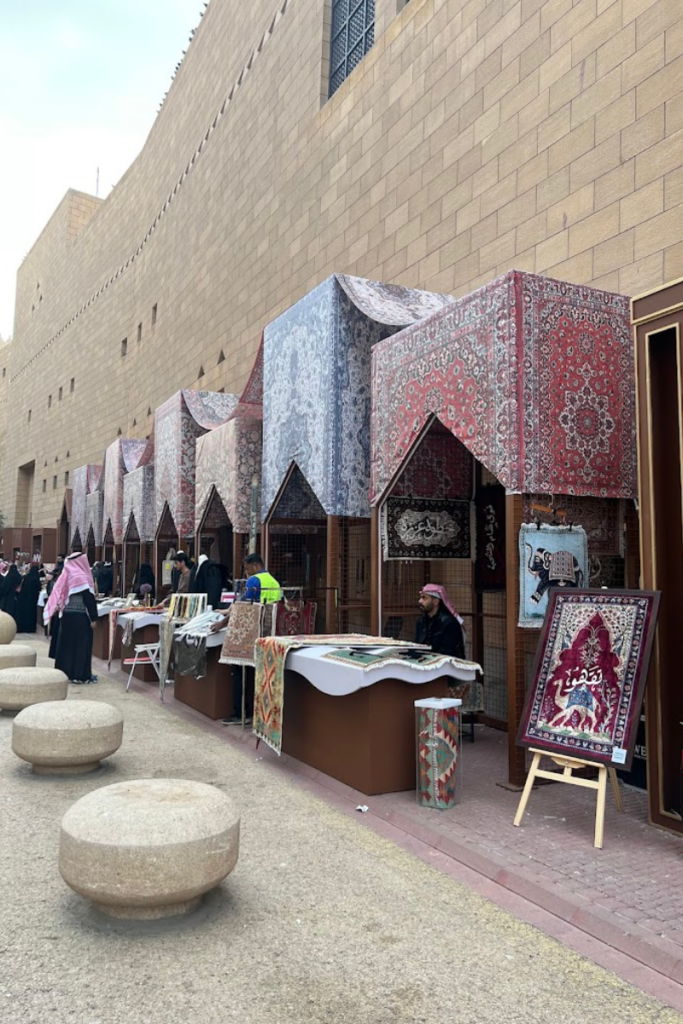
Not all cultural experiences happen inside museums. Souq Al Zal remains one of Riyadh’s oldest traditional markets and offers a glimpse into aspects of Saudi culture that continue to thrive today.
Located near Al Masmak Fortress, the market is known for antiques, carpets, traditional clothing, incense, coffee pots and a variety of handmade goods.
The atmosphere is part of what makes it interesting. Unlike a museum exhibit, this is a place where traditions are still being bought, sold and used. It feels less like looking at history and more like seeing culture continue from one generation to the next.
King Fahad National Library
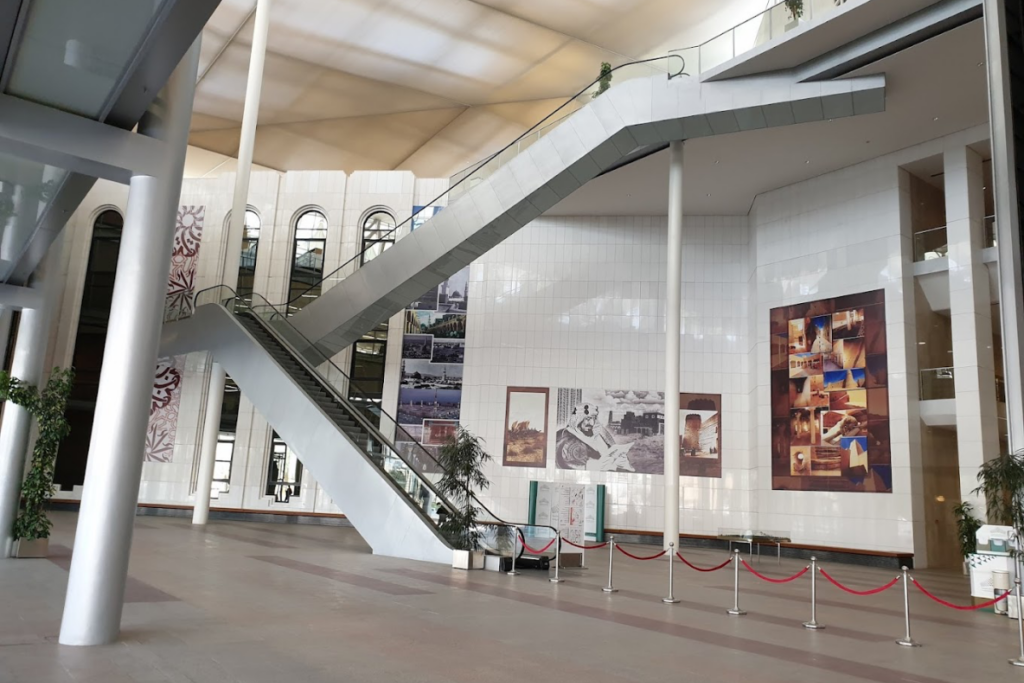
Even if libraries are not usually at the top of your sightseeing list, King Fahad National Library deserves attention. The building’s striking architecture has made it one of Riyadh’s most recognisable landmarks, standing out even among the city’s increasingly impressive skyline.
Beyond its striking architecture, the library houses an enormous collection of books, manuscripts and historical records that help preserve Saudi Arabia’s cultural heritage.
Murabba Historical Palace
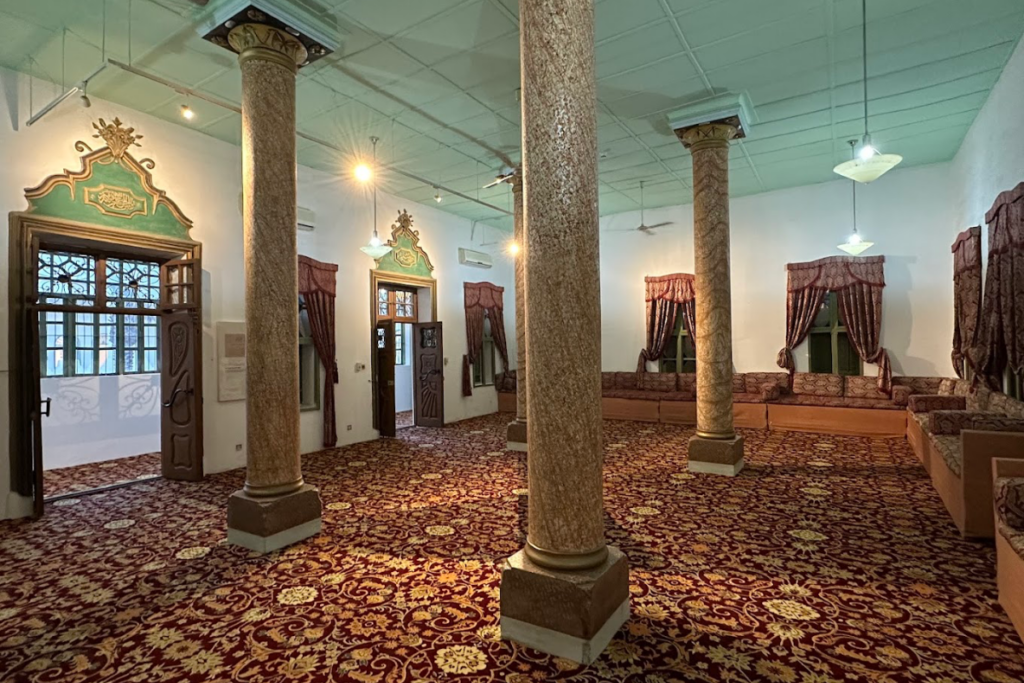
Diriyah often gets most of the attention when people discuss Riyadh’s history, but Murabba Historical Palace deserves a place on the list as well.
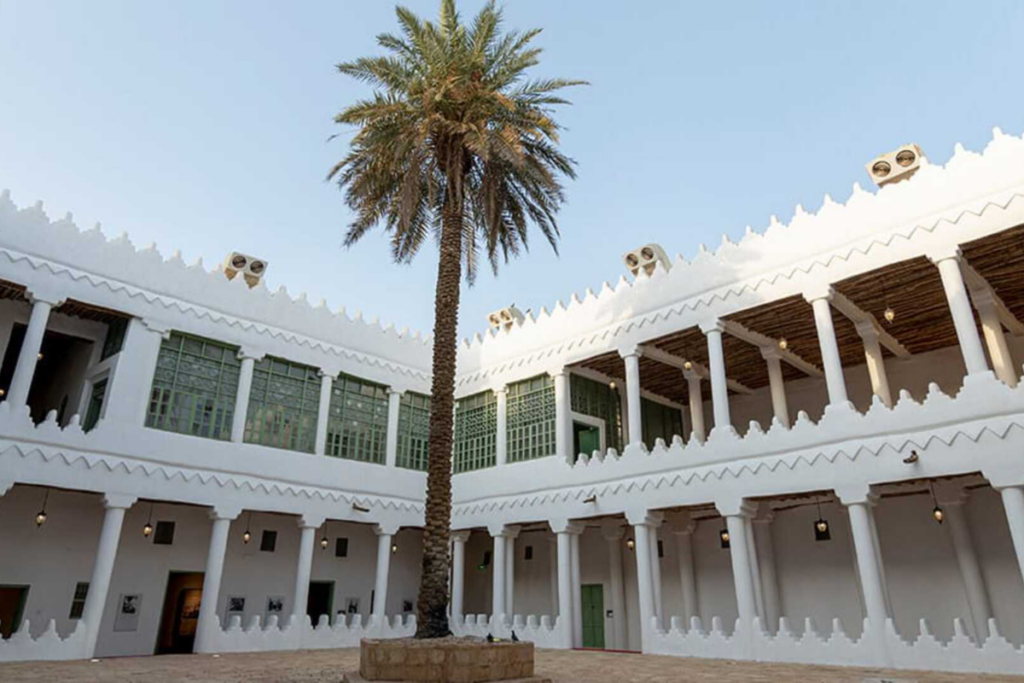
Built by King Abdulaziz in the early twentieth century, the palace offers insight into a period when Riyadh was beginning its transformation from a small desert settlement into the capital of a modern nation.
The palace helps tell a different chapter of the city’s story. While Diriyah focuses on the origins of the Saudi state and Al Masmak Fortress focuses on unification, Murabba reveals how Riyadh continued to evolve in the decades that followed.
Understanding Riyadh Through Its History
What makes Riyadh’s cultural attractions so interesting is that they are connected. Together, they tell the story of a city that has experienced extraordinary change while maintaining strong links to its history and traditions.
From the birthplace of the First Saudi State and the fort that helped shape the modern kingdom to traditional markets, museums, and libraries, each site reveals a different side of Riyadh.
The city’s skyscrapers and developments may dominate the skyline, but these are the places that explain how Riyadh became what it is today. And in many ways, they are still the best places to understand where it is heading next.
Whether you’re interested in history, heritage, or local culture, follow The Riyadh Atlas for more guides to Riyadh’s most fascinating places and experiences.