


One of the easiest ways to understand a city is through its artists. Buildings can tell you when a place was developed, and museums can explain its history, but artists often capture something less obvious. They reflect the conversations taking place now, the questions people are asking and the ways culture continues to evolve.
That is particularly true in Riyadh. Over the past few years, the city’s galleries and cultural districts have introduced audiences to a new generation of Saudi artists whose work is thoughtful, experimental, and remarkably diverse.
Some draw inspiration from history and faith, while others explore memory, identity, language, or the natural world. No two approach those ideas in quite the same way. As Riyadh’s cultural scene continues to grow, these artists are helping define what contemporary Saudi creativity looks like, both within the Kingdom and internationally. If you’re curious about Riyadh’s contemporary art scene, these are some of the artists worth spending time with.
Ahmed Mater
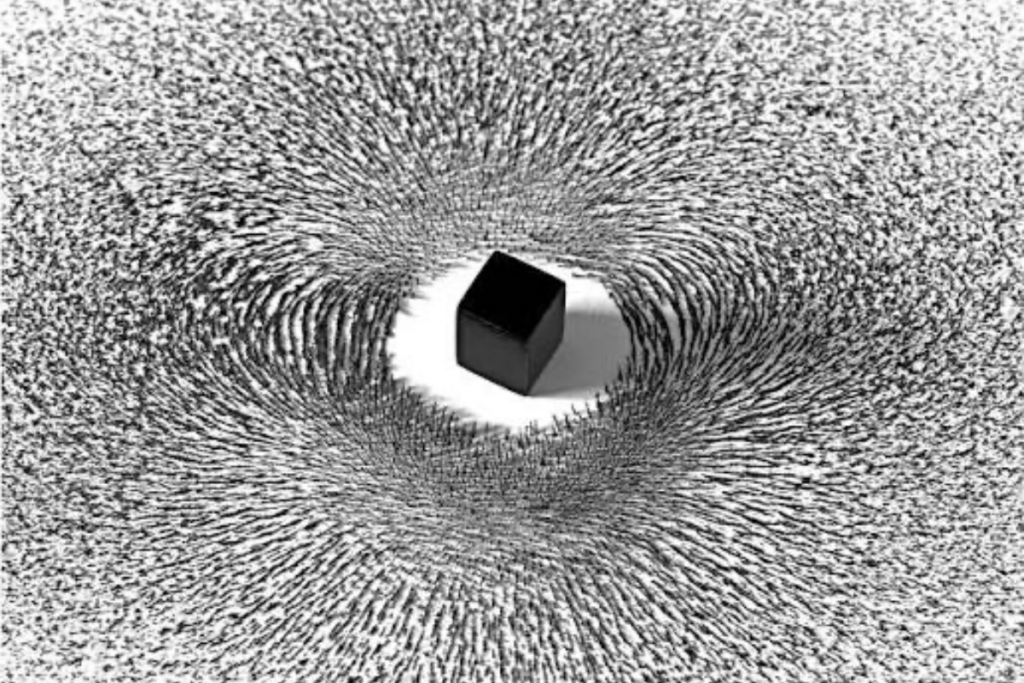
Some artworks ask you to admire them. Ahmed Mater’s work asks you to stop and think. One of his best-known installations, Magnetism, appears surprisingly simple at first. A black cube sits in the centre of a white surface while thousands of tiny iron filings gather around it, forming delicate circular patterns. The longer you look, the more the meaning begins to emerge. The work echoes pilgrims circling the Kaaba during Hajj, transforming an ordinary scientific material into something deeply symbolic.
That balance between science, faith and contemporary life runs through much of Mater’s work. Whether he is photographing the changing landscape around Makkah or creating large-scale installations, he rarely tells viewers what to think. Instead, he encourages them to ask questions about how tradition and modern life continue to shape one another. His exhibitions reward time. The longer you stand with them, the more they seem to reveal.
Manal AlDowayan
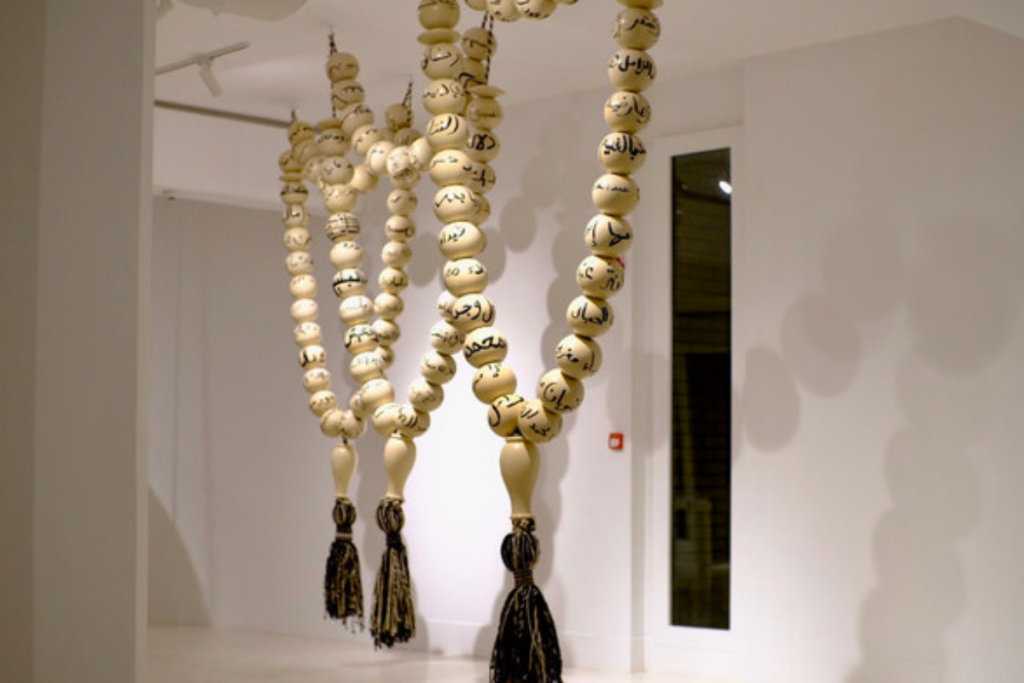
Standing in front of Manal AlDowayan’s work often feels surprisingly personal. Rather than creating art that simply hangs on a gallery wall, many of her installations invite visitors into much larger conversations about memory, belonging and identity. Feathers, handwritten messages, suspended objects and collaborative pieces appear throughout her work, each carrying stories that stretch beyond one individual experience.
What makes her exhibitions so engaging is that there is rarely one correct interpretation. Visitors bring their own perspectives with them, meaning two people can leave the same exhibition having experienced something completely different. That openness has made AlDowayan one of Saudi Arabia’s most influential contemporary artists. Her work is thoughtful without ever feeling inaccessible, encouraging people to spend time looking rather than rushing through the gallery.
Muhannad Shono
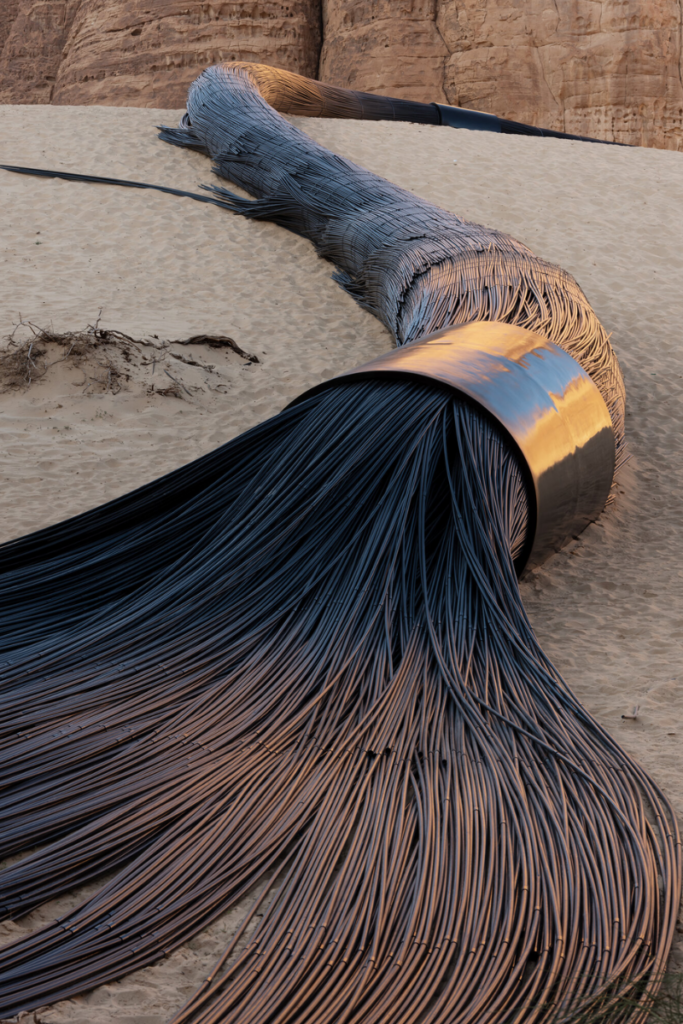
Walking into a Muhannad Shono exhibition rarely feels like entering a traditional gallery. Paper spills across floors, enormous sculptural forms stretch through exhibition spaces and ink appears to move long after it has dried. His installations blur the line between drawing, sculpture and performance, creating environments that visitors experience rather than simply observe.
Movement sits at the heart of much of his work. Themes of migration, belonging and imagination appear repeatedly, but they are explored through spaces that encourage curiosity instead of providing straightforward answers. There is also something wonderfully playful about his exhibitions. They invite visitors to wander, pause and discover unexpected details, proving that contemporary art does not always have to feel intimidating to be thought-provoking.
Lulwah Al Homoud
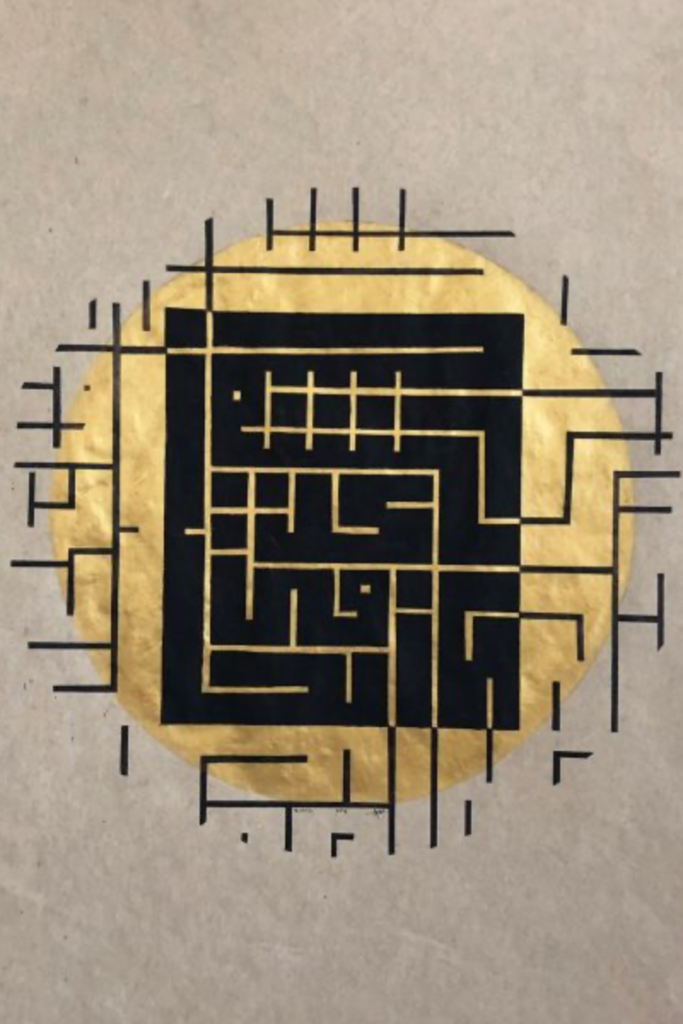
From across the room, Lulwah Al Homoud’s work almost looks architectural. Only as you move closer do individual Arabic letters begin to emerge, carefully arranged into intricate geometric compositions inspired by Islamic mathematics, philosophy and calligraphy. Every line feels deliberate, yet the finished pieces never seem rigid or mechanical.
Instead, they create a quiet sense of balance. Al Homoud’s work shows how traditional Arabic calligraphy can be reimagined without losing its cultural roots. Rather than treating language simply as something to be read, she transforms it into patterns that encourage visitors to slow down and appreciate the beauty of each individual form.
Her work feels timeless while remaining unmistakably contemporary, making it an ideal introduction to one side of Saudi Arabia’s evolving visual arts scene.
Ayman Zedani
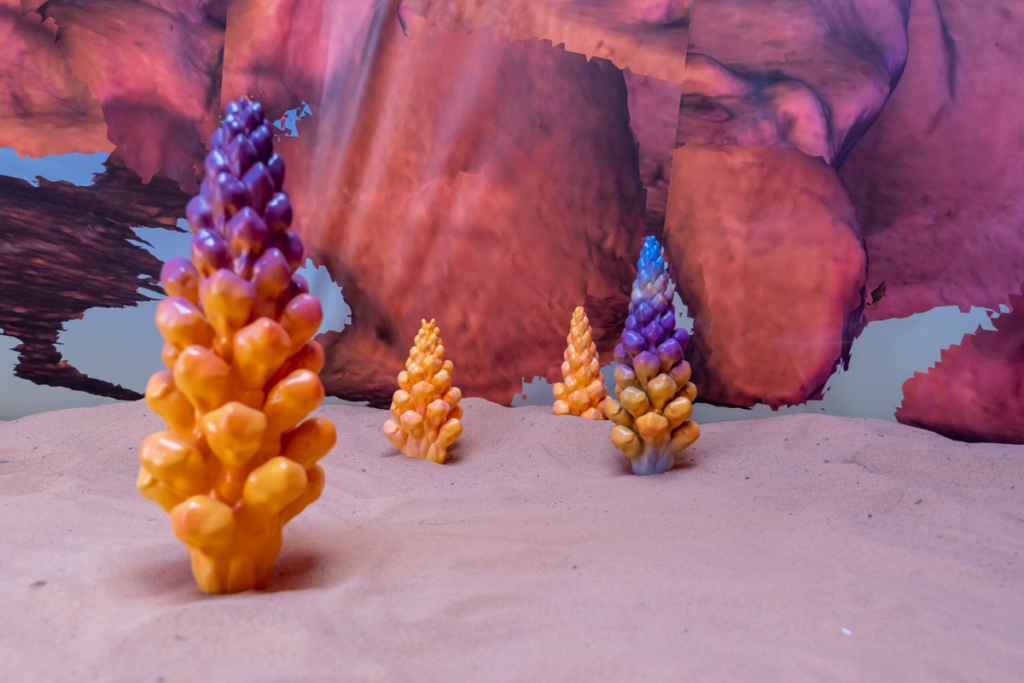
Some contemporary art asks big questions quietly. That is exactly what happens in Ayman Zedani’s work. At first glance, his installations often resemble scientific displays more than traditional artworks. Natural materials, preserved specimens and carefully arranged objects invite visitors to look a little closer before revealing much larger conversations about ecology and biodiversity. Stone, sand, preserved plants and scientific specimens often appear together.
There is no sense of urgency or alarm. Instead, Zedani encourages curiosity. His exhibitions reward slow observation, allowing visitors to notice connections between people and the natural world that might otherwise be overlooked. It is an approach that feels particularly relevant at a time when conversations around sustainability have become increasingly important across Saudi Arabia. His work proves that contemporary art does not always have to be loud to leave a lasting impression.
Maha Malluh
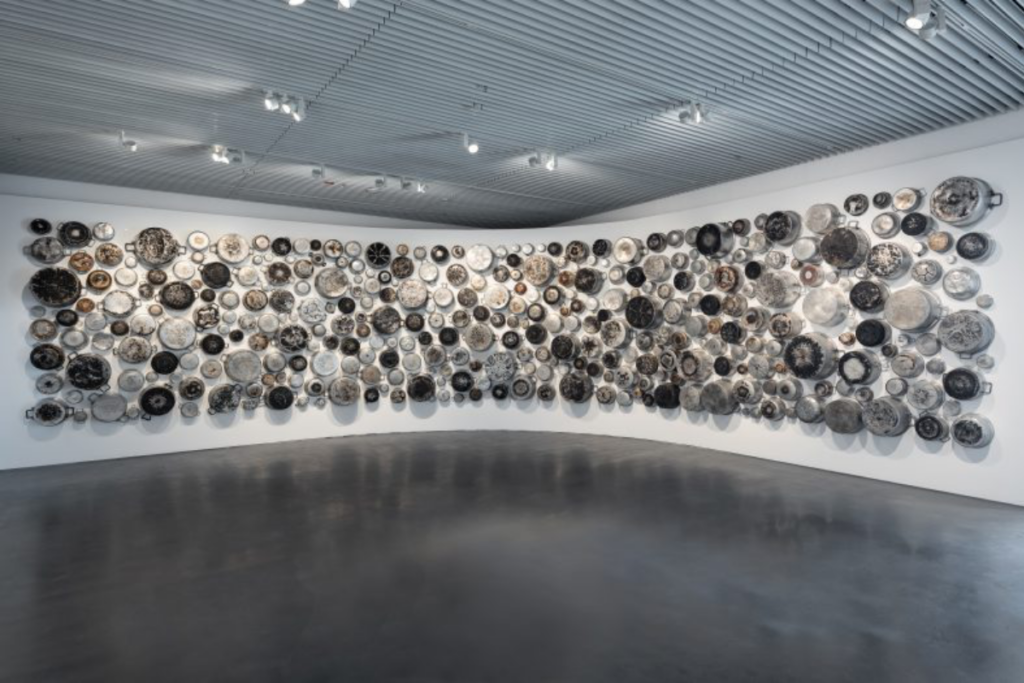
History does not always survive inside museums. Sometimes it survives in the objects people use every day. That simple idea sits at the heart of much of Maha Malluh’s work.
Old cooking pots, cassette tapes, aluminium trays and everyday household objects become the building blocks for large-scale installations that celebrate ordinary Saudi life. Items that might once have been dismissed as old or outdated suddenly become records of changing traditions and shared memories.
There is something instantly familiar about her work, even for visitors who have never lived in Saudi Arabia. Everyone recognises the feeling of finding an object that unexpectedly brings back a memory. Malluh simply transforms that experience into art, reminding visitors that heritage is often preserved through everyday lives as much as historic landmarks.
Sarah Abu Abdallah
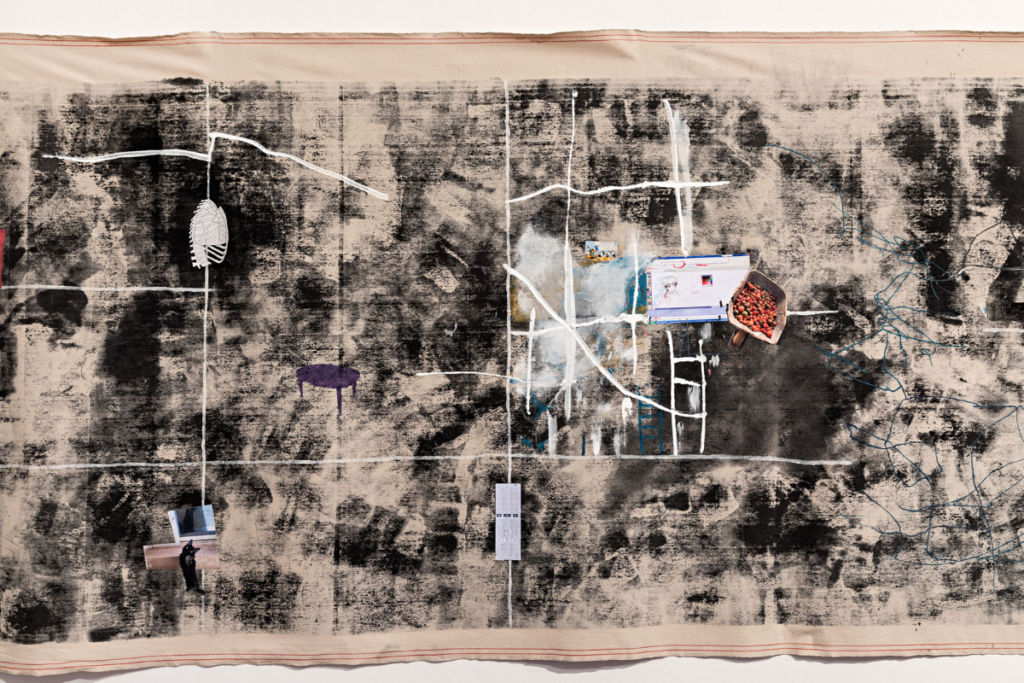
Some artists ask visitors to stop and think. Sarah Abu Abdallah quietly asks them to look again. Working across photography, film and installation, she captures moments that seem ordinary at first. Domestic spaces, familiar routines and everyday interactions gradually reveal larger reflections on family, identity and belonging. There is very little that feels staged about her work. That honesty is what makes it so compelling.
That quieter approach makes her exhibitions feel surprisingly intimate. Instead of presenting one clear message, they leave space for viewers to bring their own memories and experiences into the conversation.
It is a reminder that contemporary art does not always need to be monumental to feel powerful. Sometimes the smallest moments stay with people the longest.
Why These Artists Matter
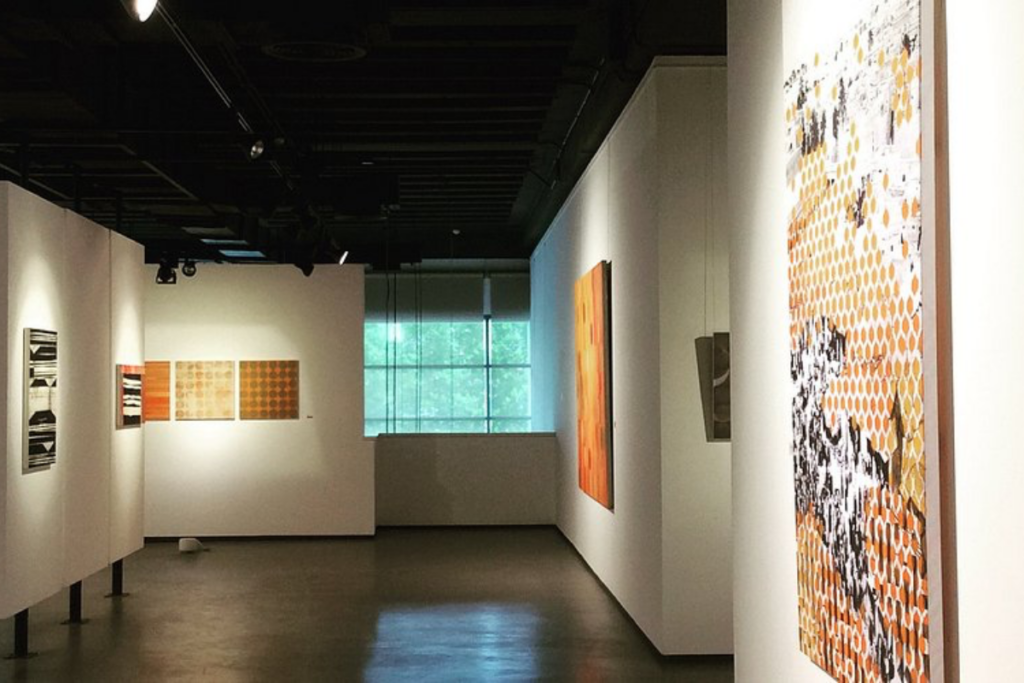
Walking through Riyadh’s galleries quickly becomes an exercise in seeing the city differently. One artist asks visitors to think about faith. Another encourages them to notice everyday objects they might otherwise overlook. Others explore memory, identity, language, or the relationship between people and the natural world. Together, they create a picture of Saudi Arabia that is thoughtful, curious, and constantly evolving.
Perhaps that is what makes Riyadh’s art scene so rewarding. There is no single definition of contemporary Saudi art, and these artists are not trying to create one. Instead, each offers a different perspective on the country’s past, present, and future.
If you want to understand Riyadh beyond its skyline and historic landmarks, spend some time in its galleries. The buildings hold the artwork. The artists tell the story.
Curious to see more of Riyadh’s creative side? Explore The Riyadh Atlas for guides to the city’s galleries, cultural districts, exhibitions and artists shaping Saudi Arabia’s contemporary art scene.