


The quickest way to understand Riyadh is to explore the historic neighborhoods in Riyadh rather than simply looking at its skyline. Some have been carefully restored, while others never really stopped being part of everyday life.
Together, they tell the story of how Riyadh grew from a small desert settlement into one of the Middle East’s fastest-growing capitals. Every district reveals something different, and by the time they have all been explored, Riyadh starts to feel like a city with a story rather than simply a collection of landmarks.
If the goal is understanding Riyadh rather than simply ticking off landmarks, these are the historic neighbourhoods worth taking the time to explore.
At-Turaif: Where the Story Begins
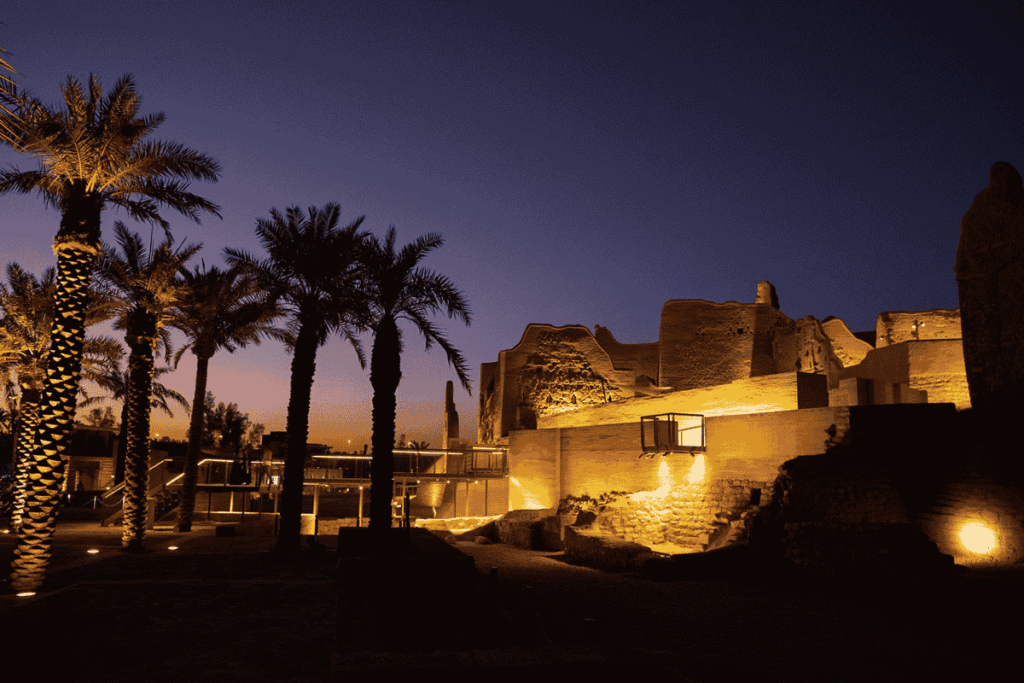
Every city has a beginning. For Riyadh, that beginning is At-Turaif. The first thing that stands out is the scale. Photographs rarely prepare anyone for just how large the district actually is.
What initially looks like a collection of mudbrick buildings quickly starts to feel like a real neighbourhood, with homes, courtyards, alleyways, and public spaces that once formed the centre of everyday life.
It is one thing to read about Najdi architecture. It is something completely different to walk between the thick mudbrick walls and realise an entire community was designed around this style of building.
The buildings do not feel isolated from one another. They feel connected, each one helping explain how people lived, worked, and built communities long before modern Riyadh existed. This is not simply one of the city’s most important heritage sites. It is where the story begins.
Al-Murabba: Where Riyadh Began Looking Forward
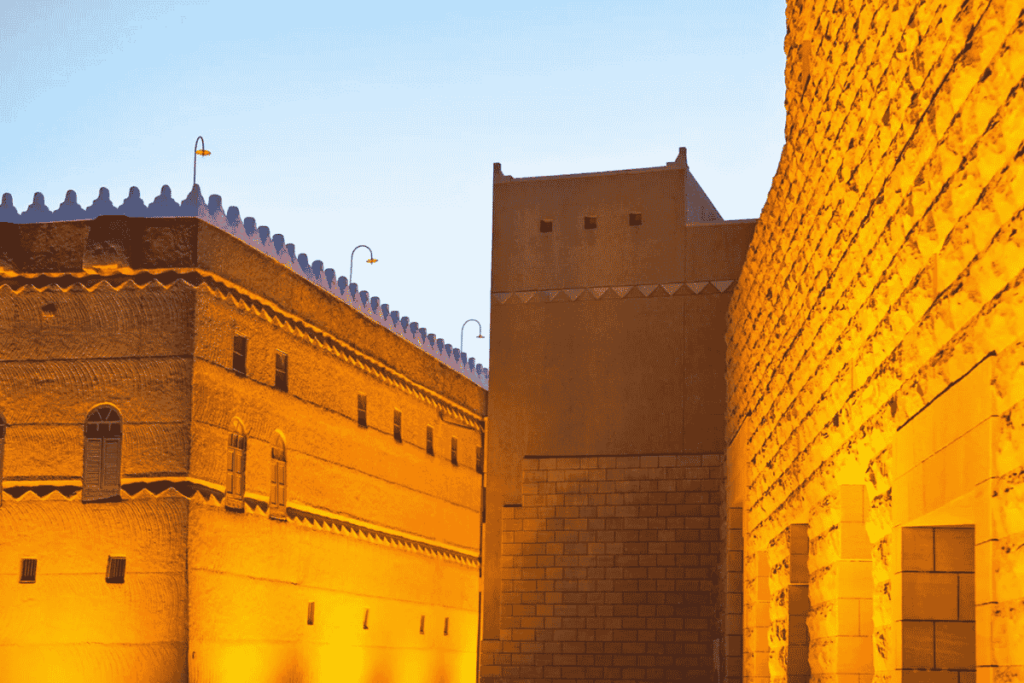
Cities rarely stay the same forever. Al-Murabba marks the point where Riyadh began looking beyond its original walls. When King Abdulaziz established Murabba Palace here, the city started expanding into new districts that reflected changing ideas about government, planning, and modern life.
It was an important moment because Riyadh was no longer growing only within its historic centre. It was beginning to imagine something bigger.
Walking around the area today, it is easy to see why it remains such an important chapter in the city’s history. The district represents the bridge between old Riyadh and the modern capital that gradually developed around it.
It is one of those places where the history is less about individual buildings and more about what the neighbourhood represents.
Qasr Al-Hukm: The Heart of the City
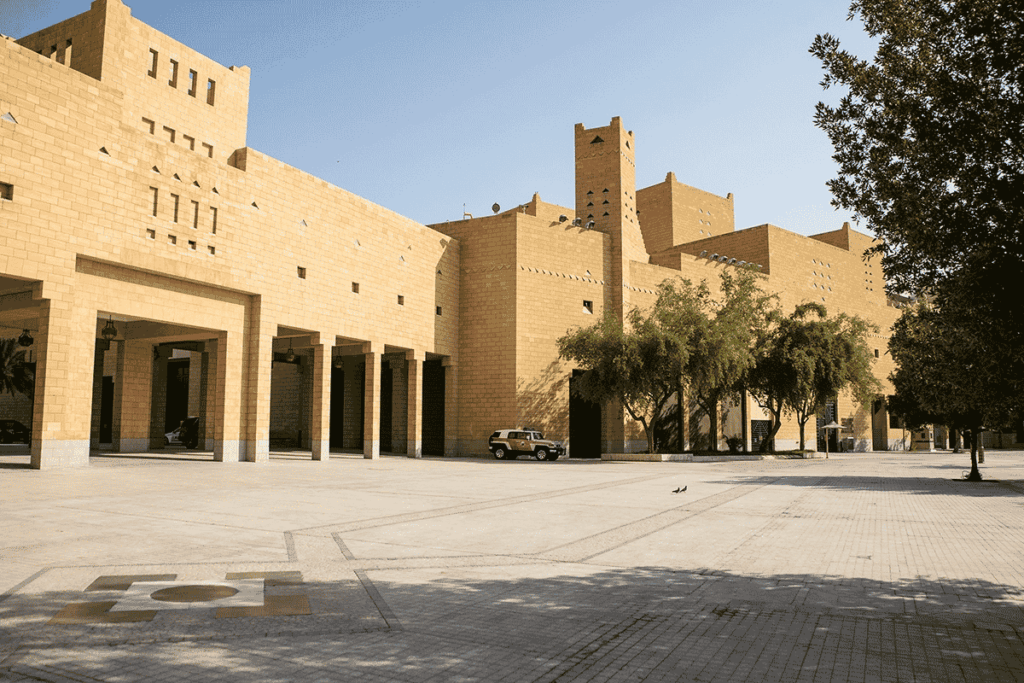
If At-Turaif explains where the story began, Qasr Al-Hukm explains how Riyadh became the capital. It is one of those districts where almost every street seems to lead to another piece of the city’s history.
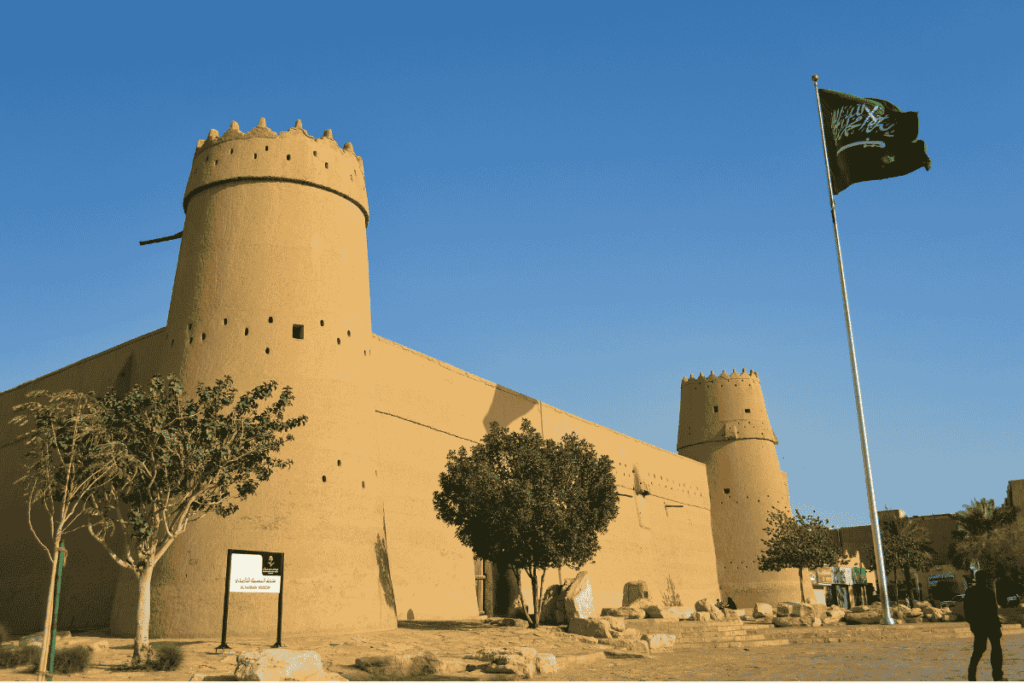
Masmak Fortress, Imam Turki bin Abdullah Mosque, restored public squares, and government buildings all sit within walking distance of one another, making it surprisingly easy to understand why this area has remained so important for generations.
What makes Qasr Al-Hukm particularly interesting is that it still feels alive. Government employees walk alongside visitors, people gather in the squares, prayers continue at the mosque, and local businesses remain part of everyday life. History has never really left this part of Riyadh. It has simply continued alongside everything that came afterwards.
Ad-Dirah: Where Trade Still Shapes the Streets
Not every historic neighbourhood is remembered because of palaces or monuments. Some are remembered because people never stopped using them.
Ad-Dirah has been Riyadh’s commercial heart for generations, and that character is still very much part of the neighbourhood today. Traditional markets selling gold, perfumes, antiques, textiles, and handicrafts continue to attract shoppers from across the city, creating an atmosphere that feels completely different from Riyadh’s modern shopping malls.
There is a rhythm to the neighbourhood that is difficult to fake. Shopkeepers greet familiar faces, conversations spill out into the walkways, and the scent of oud drifts through the market streets.
Rather than feeling preserved for visitors, Ad-Dirah still feels like a place that belongs to the people who use it every day. That is exactly what makes it memorable.
Wadi Hanifah: Before There Was a City
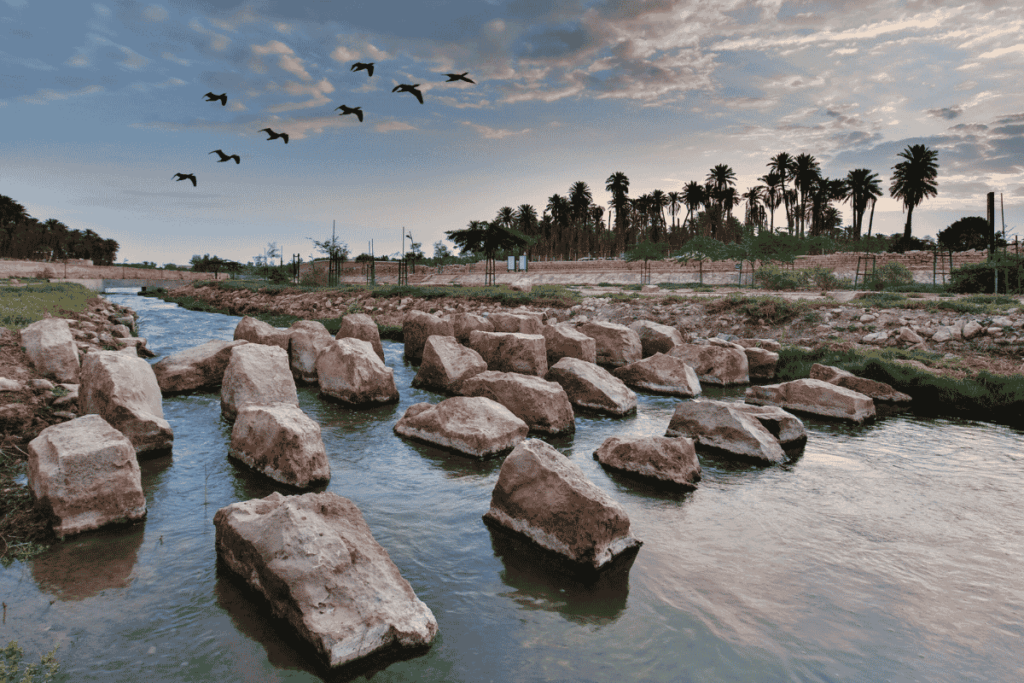
Standing beside Wadi Hanifah, it becomes much easier to understand why Riyadh exists where it does. Long before highways, skyscrapers, and modern neighbourhoods transformed the landscape, this valley offered something far more valuable than impressive architecture. It offered water.
For centuries, Wadi Hanifah supported farming, settlements, and trade routes, shaping where people lived and how communities developed across the region. Looking across the valley today, it is surprisingly easy to imagine why generations chose to build their lives here. There are no grand monuments or restored palaces.
The landscape itself tells the story. It is quieter than the other places on this list, but it explains something just as important. Every city begins somewhere, and for Riyadh that beginning was shaped as much by geography as it was by people.
Al-Bujairi: Where History Meets Modern Life
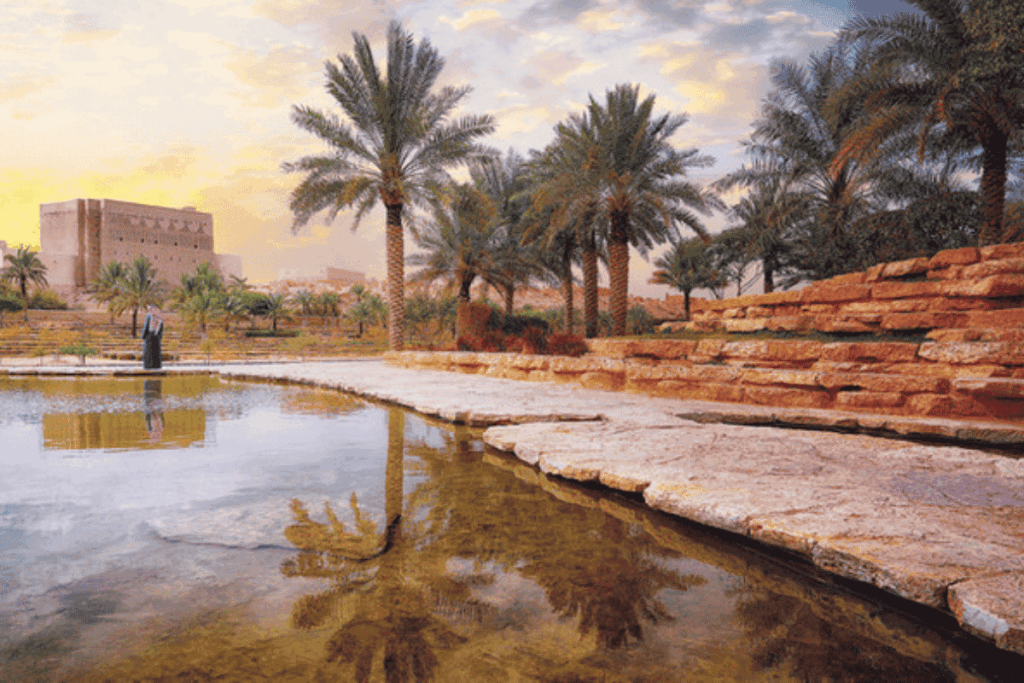
The final chapter is also the newest. Directly opposite At-Turaif, Al-Bujairi shows how a historic neighbourhood can continue evolving without losing its identity. Families gather here in the evenings; cafés overlook centuries-old mudbrick buildings, and visitors move easily between one of Saudi Arabia’s most important heritage sites and one of Riyadh’s most popular dining districts.
Some people come for dinner. Others come for history. The best visits usually include both. Rather than feeling like a separate attraction, Al-Bujairi encourages people to spend time with history rather than simply looking at it.
Conversations continue late into the evening, children play in the public spaces, and the district feels every bit as welcoming as it does historic. It proves that preserving the past does not mean freezing it in time.
Understanding Riyadh Through Its Neighbourhoods
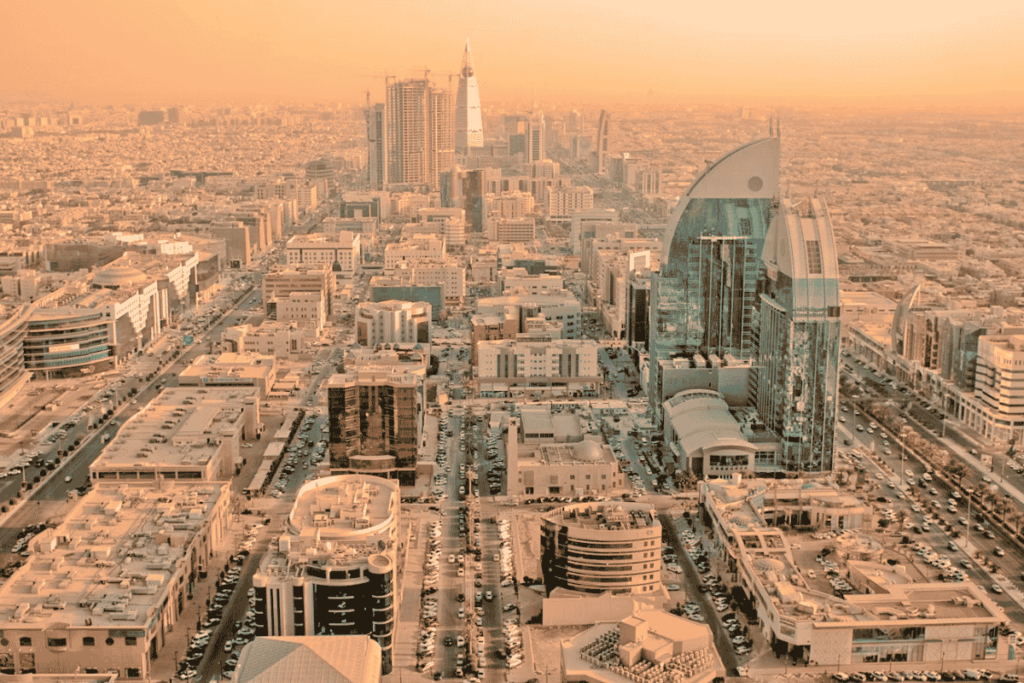
One of the biggest surprises about Riyadh is that its history is not confined to a single place. Instead, it unfolds one neighbourhood at a time. At-Turaif explains where the story begins.
Al-Murabba shows how the city expanded beyond its original boundaries. Qasr Al-Hukm reveals the political heart of Riyadh, while Ad-Dirah keeps centuries of trade alive.
Wadi Hanifah reminds visitors that every city begins with its landscape, and Al-Bujairi demonstrates that history can continue to evolve without losing its identity.
One of the nicest things about exploring these neighbourhoods is that none of them tries to explain the whole city on its own. Instead, each one adds another chapter.
Walk through them all and Riyadh begins to feel less like somewhere to visit and more like somewhere to understand. Not simply as a modern capital, but as a city shaped by trade, architecture, government, geography, and the people who built their lives here long before today’s skyline appeared.
Explore more hidden gems, historic landmarks, and unforgettable experiences across Riyadh with The Riyadh Atlas.