


Saudi Arabia’s unique approach to cultural tourism has taken centre stage in Paris with the opening of a new exhibition at UNESCO Headquarters. Rather than focusing on AlUla’s ancient monuments alone, I Am a Rawi: Sharing Stories from AlUla celebrates the local storytellers helping visitors connect with thousands of years of history.
What Is the AlUla UNESCO Exhibition?
The exhibition introduces international audiences to the Rawis – Saudi storytellers, many from AlUla itself, who have become one of the destination’s most distinctive visitor experiences. Rather than simply guiding people through heritage sites, they help visitors understand them through storytelling, conversation and shared experiences.
Running until 31 August, the free public exhibition transforms the gates of UNESCO Headquarters into an open-air gallery featuring photographs of the Rawis and the landscapes they call home.
During its opening week, visitors from at least 14 different nationalities joined guided tours led by Rawis Adel and Amal, offering a glimpse into a visitor experience that has become increasingly central to AlUla’s approach to cultural tourism.
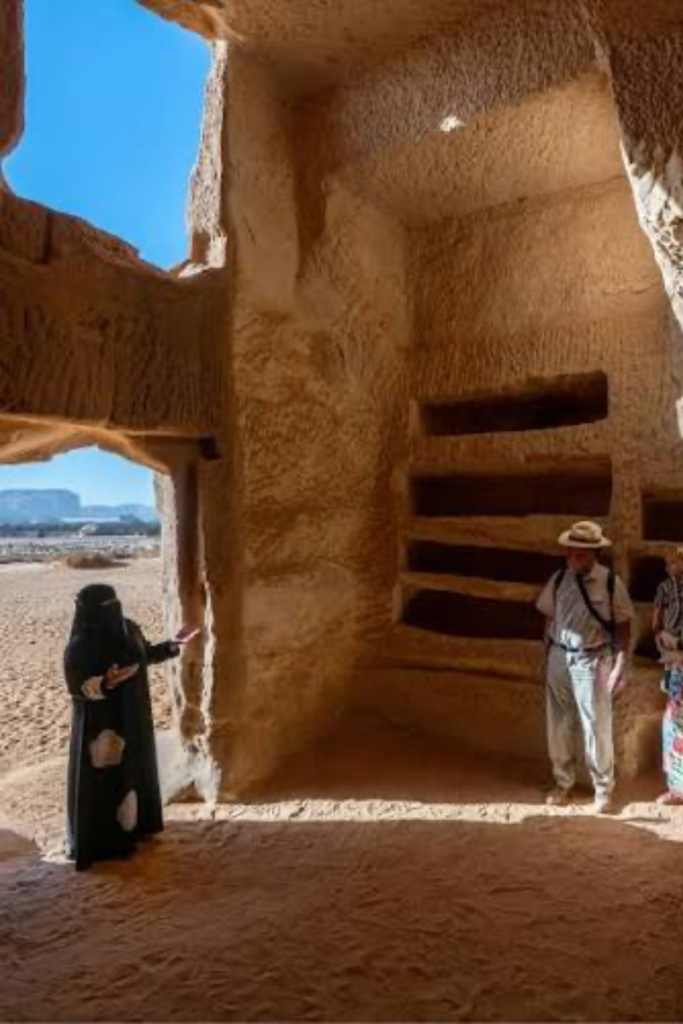
The photographs themselves are only part of the story. What makes the exhibition different is the focus on the people behind the destination.
The Rawis, whose name comes from the Arabic word for storyteller, are Saudi nationals – many from AlUla itself – who have completed extensive training to guide visitors through some of the Kingdom’s most significant archaeological and heritage sites. Their role goes well beyond explaining dates or historical facts.
Anyone can describe when something was built. Helping visitors understand why it still matters is something entirely different. That human connection reflects a wider shift in tourism.
More travellers are looking for experiences that help them understand a place rather than simply see it. Research from the Royal Commission for AlUla found that 79 percent of leisure travellers are seeking immersive cultural experiences, something the Rawi programme was designed to provide.
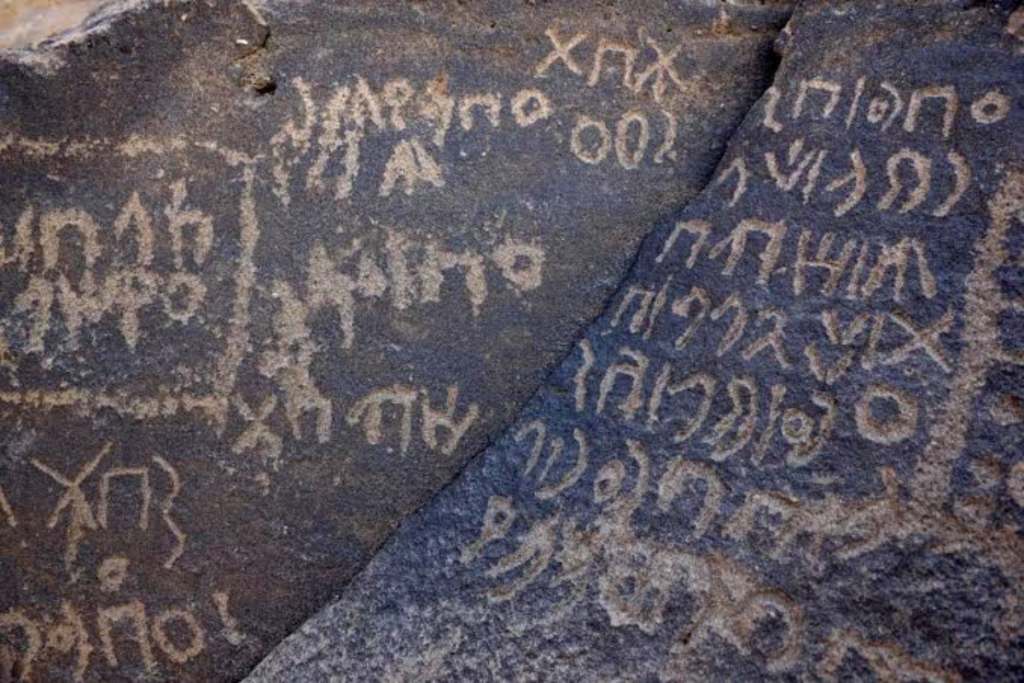
That philosophy also sits behind Qissa bi Qissa, meaning Story by Story, a new visitor experience created by the Rawis in partnership with UNESCO.
Rather than following a traditional guided tour, the two-hour session uses artefacts to encourage conversations about migration, belief systems and the shared experiences that connect people across different cultures. The programme was first trialled in AlUla earlier this year and is expected to become a bookable visitor experience later in 2026.
The experience is based on UNESCO’s Live Museum model, which places dialogue and human interaction at the centre of heritage interpretation. Instead of asking visitors to simply observe history, it encourages them to take part in conversations that make those stories feel personal and relevant.
That shift reflects changing expectations among travellers. At a time when digital experiences are becoming more sophisticated, the Live Museum model argues that authentic human interaction still has a unique place in cultural tourism.
The Rawis have become the first certified practitioners of the model in Saudi Arabia, marking another milestone in the growing partnership between UNESCO and the Royal Commission for AlUla.
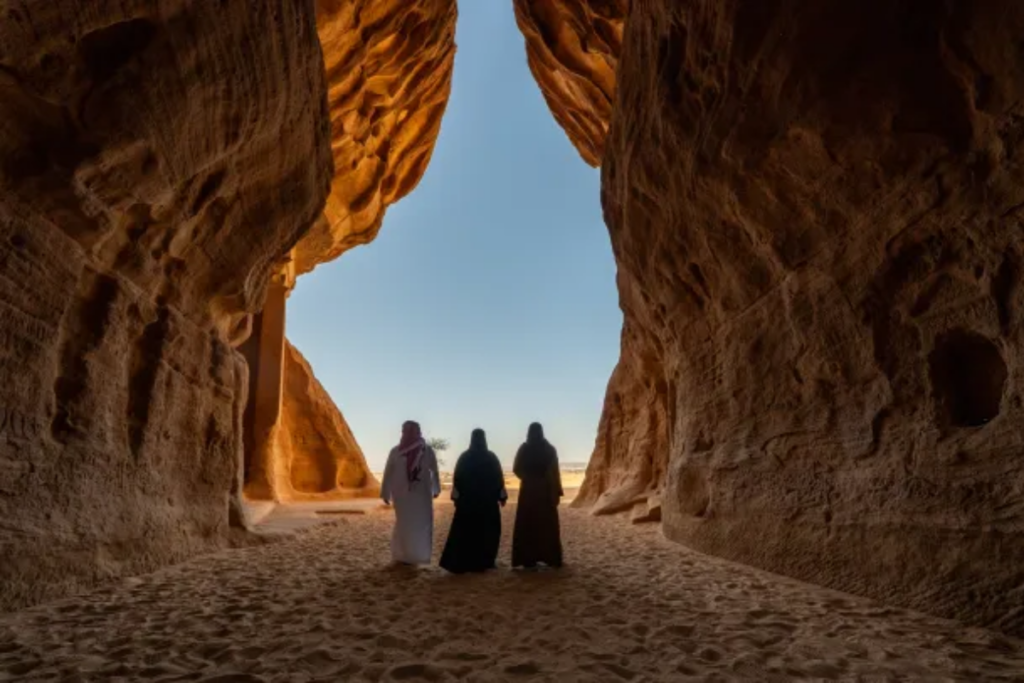
The exhibition is also the latest chapter in that partnership. Last year, six Rawi leaders travelled to Paris to take part in UNESCO’s inaugural Intercultural Training Week alongside representatives from internationally recognised museums and heritage sites. Since then, they have returned to AlUla to lead workshops of their own while contributing to UNESCO’s first online training programme for future Live Museum facilitators.
For AlUla, the exhibition represents something much bigger than a showcase of photographs. The destination is already internationally recognised for sites such as Hegra, Saudi Arabia’s first UNESCO World Heritage Site, alongside Dadan, Jabal Ikmah, and AlUla Old Town.
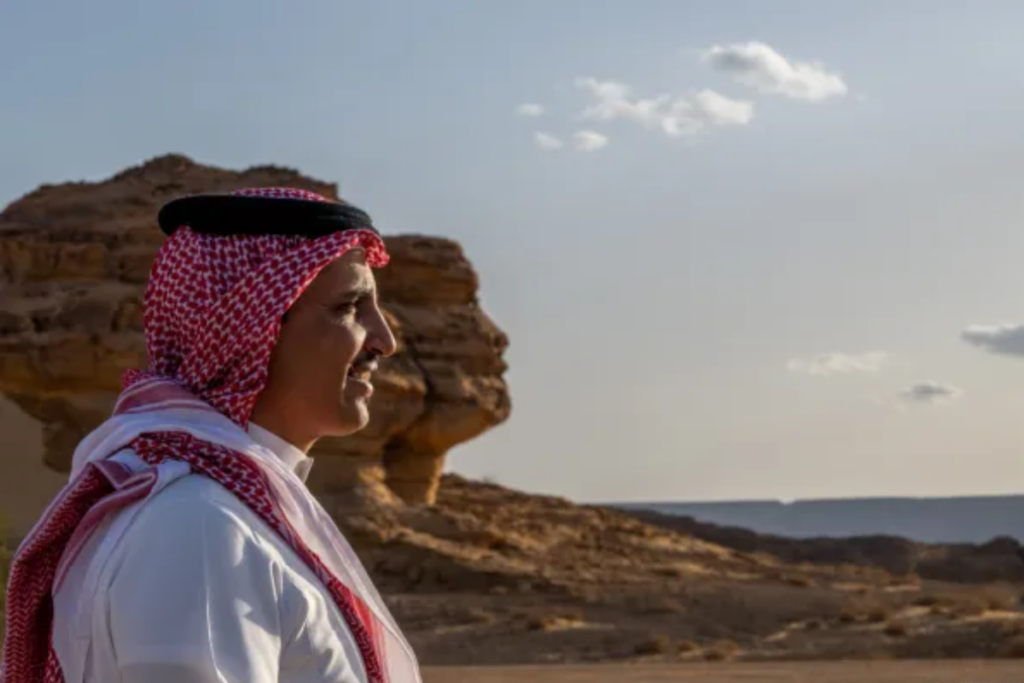
Together they preserve thousands of years of human history, but the Rawi programme highlights another important idea: heritage is not only protected through monuments and artefacts. It is also preserved through the people who continue telling those stories and passing them from one generation to the next.
In many ways, that is what the exhibition is really celebrating. Not only AlUla’s extraordinary heritage, but the people trusted to share it. At a time when technology is reshaping how people travel and learn, the Rawis offer a simple reminder that some experiences still depend on one person telling another a story.