


Most people experience Riyadh through its biggest landmarks But hidden cultural gems in Riyadh reveal a completely different side of the city. Visitors often explore At-Turaif, admire the Kingdom Centre and spend time exploring Souq Al Zal. Those places deserve their reputation and offer an excellent introduction to the Saudi capital.
The city becomes much more interesting, however, once you begin looking beyond the obvious attractions. Some of Riyadh’s most rewarding cultural experiences happen inside independent galleries, repurposed historic buildings and creative spaces that rarely appear on the front page of travel guides.
They may not attract the biggest crowds, but they often reveal far more about Riyadh than its most photographed landmarks ever could. They tell the story of a city that continues to evolve while finding new purpose for the places that helped shape it. If you want to understand Riyadh rather than simply see it, these are the places worth seeking out.
Best Hidden Cultural Gems in Riyadh
Naila Art Gallery
If you are curious about where Saudi art is heading rather than where it has been, Naila Art Gallery is one of the best places to begin. Established in the early 1990s, the gallery has spent decades supporting Saudi and regional artists through rotating exhibitions that feature everything from painting and sculpture to contemporary mixed media.
Unlike a museum with a permanent collection, there is usually something new to discover, which is one reason many Riyadh residents return rather than visiting only once.
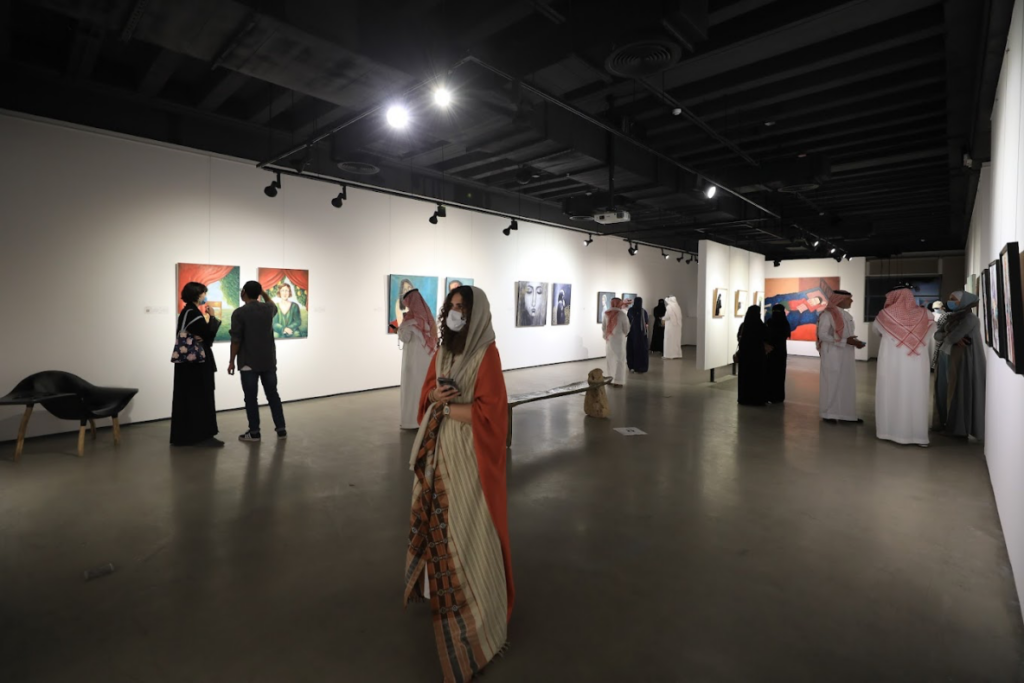
One of the things Naila Art Gallery does particularly well is showcase artists at different stages of their careers. Alongside established names, you are just as likely to come across emerging Saudi artists whose work reflects the conversations shaping the country’s creative scene today.
The gallery is also a reminder that Saudi Arabia’s art movement did not suddenly begin with Vision 2030. It has been evolving quietly for decades.
Spending time here offers a chance to see that story unfolding, making it one of Riyadh’s most rewarding cultural experiences for anyone interested in contemporary Saudi creativity.
The Red Palace
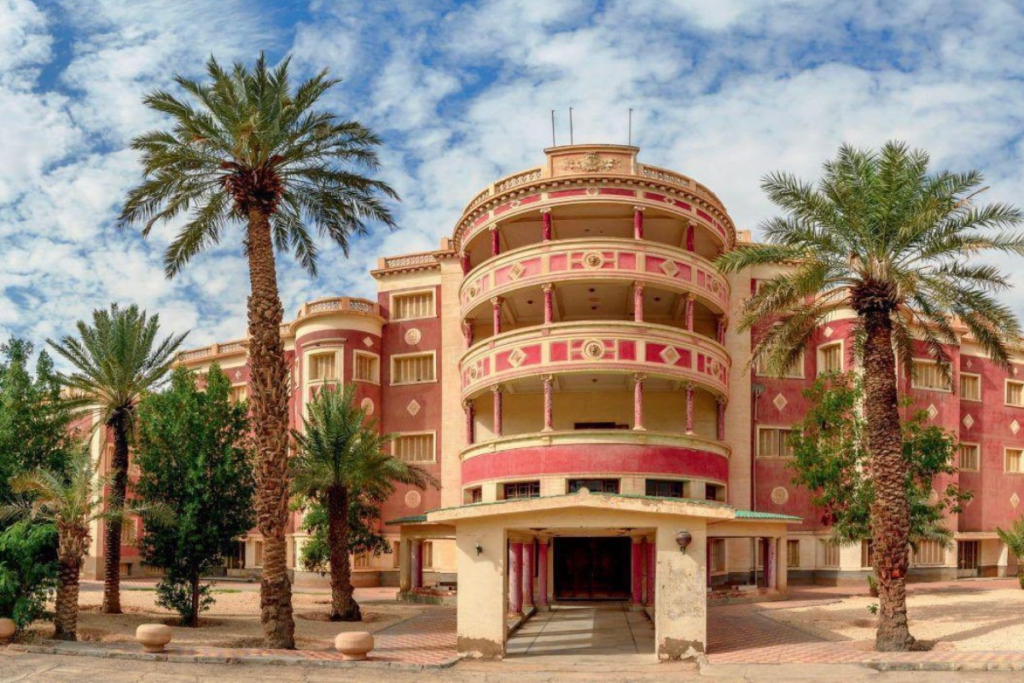
The Red Palace rarely appears on lists of Riyadh’s must-see attractions, yet it occupies an important place in Saudi history. Built during the 1940s, it was one of the first reinforced concrete buildings in Riyadh and became home to King Saud before later serving a number of government functions. It marked an important moment in the city’s development, reflecting a period when Riyadh was beginning its transformation into the modern capital it is today.
While the palace is currently closed to visitors, it is still worth seeing from the outside. Standing in front of the building offers a different perspective on Riyadh’s history, one that feels surprisingly close when compared with the city’s glass towers and rapidly changing skyline.
It is easy to overlook places like this because they are quieter than the city’s headline attractions. Yet they often explain just as much about Riyadh’s story.
King Fahad National Library
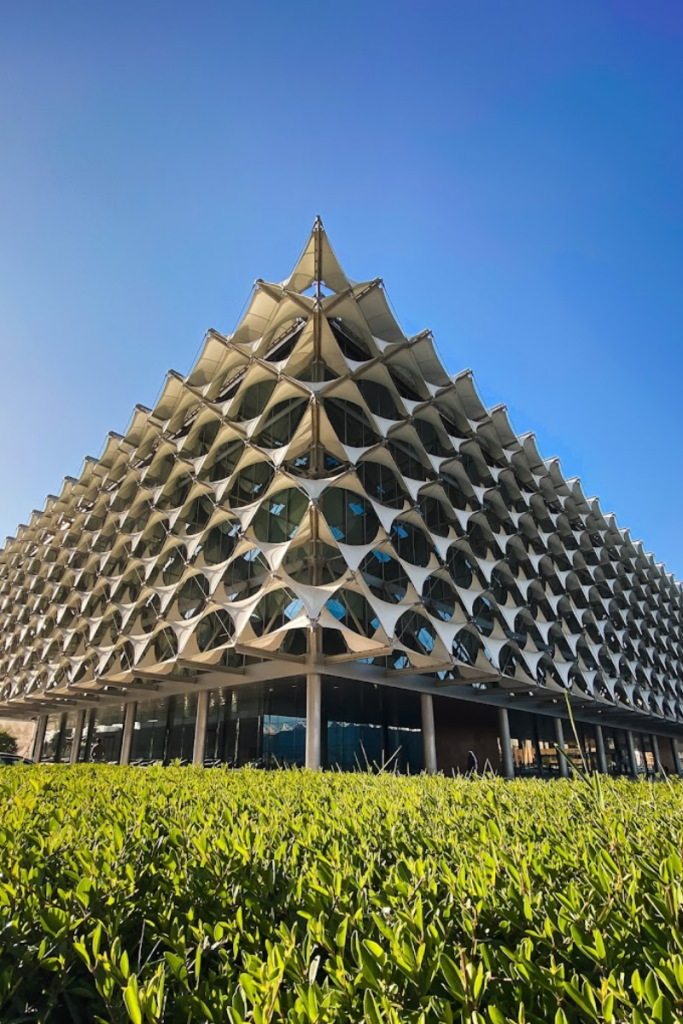
Many people stop to photograph the striking exterior of King Fahad National Library before moving on. It is worth going inside. The library is far more than a place to borrow books.
Throughout the year it hosts exhibitions, lectures, cultural events and public programmes that bring together writers, researchers, artists and readers from across Saudi Arabia. Depending on when you visit, you may find an art exhibition, a literary discussion or a cultural event taking place alongside people quietly reading or studying.
The building itself reflects Riyadh’s balance between tradition and modern design, but it is the atmosphere inside that leaves the strongest impression. It feels calm without being empty and welcoming without being formal, making it an easy place to spend an hour away from the pace of the city. Libraries often reveal what a city values. King Fahad National Library does exactly that.
Al Mousa Centre
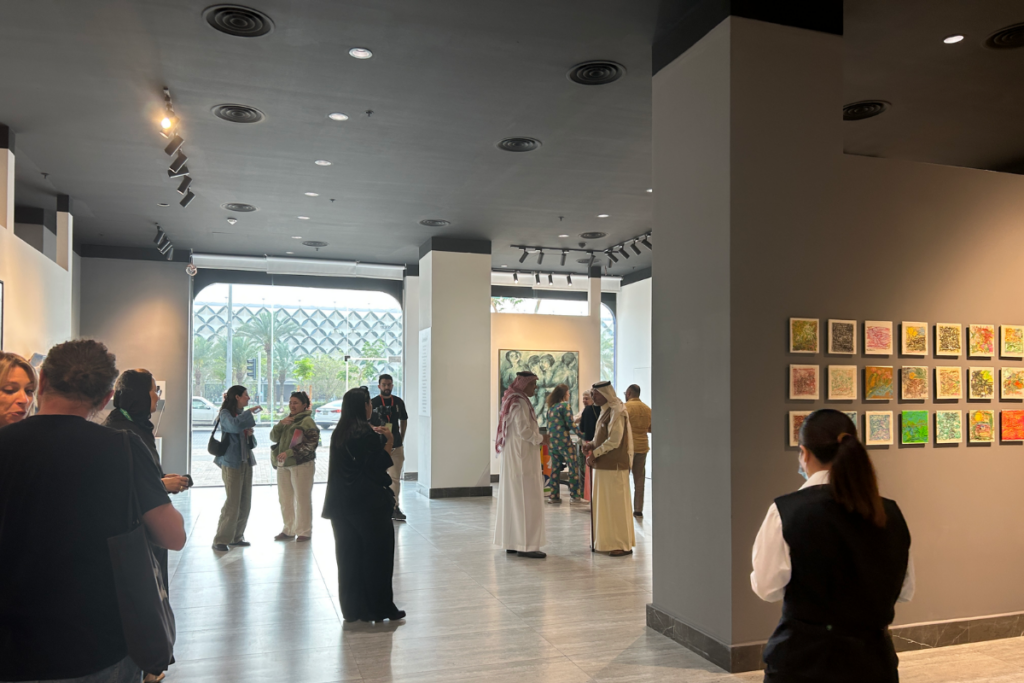
One of Riyadh’s most interesting cultural stories is happening inside a building that many people still associate with shopping rather than art.
For decades, Al Mousa Centre was known as one of the capital’s busiest commercial complexes. Today, it has taken on an entirely different identity. The building now houses dozens of galleries, artist studios and creative spaces, transforming what was once a traditional shopping destination into one of Riyadh’s most exciting cultural hubs.
What makes Al Mousa Centre so interesting is that it has not erased its past. Independent galleries and contemporary art spaces now sit alongside long-established tailoring shops and businesses that have been part of the building for years. Walking through the centre feels like watching two versions of Riyadh exist side by side, where long-established tailoring shops share the same corridors as contemporary galleries and artist studios.
Its role as one of the main venues during Art Week Riyadh only reinforced what many local artists already knew. Al Mousa Centre is no longer simply somewhere people come to shop. It has become somewhere they come to discover Saudi creativity.
King Salman Science Oasis
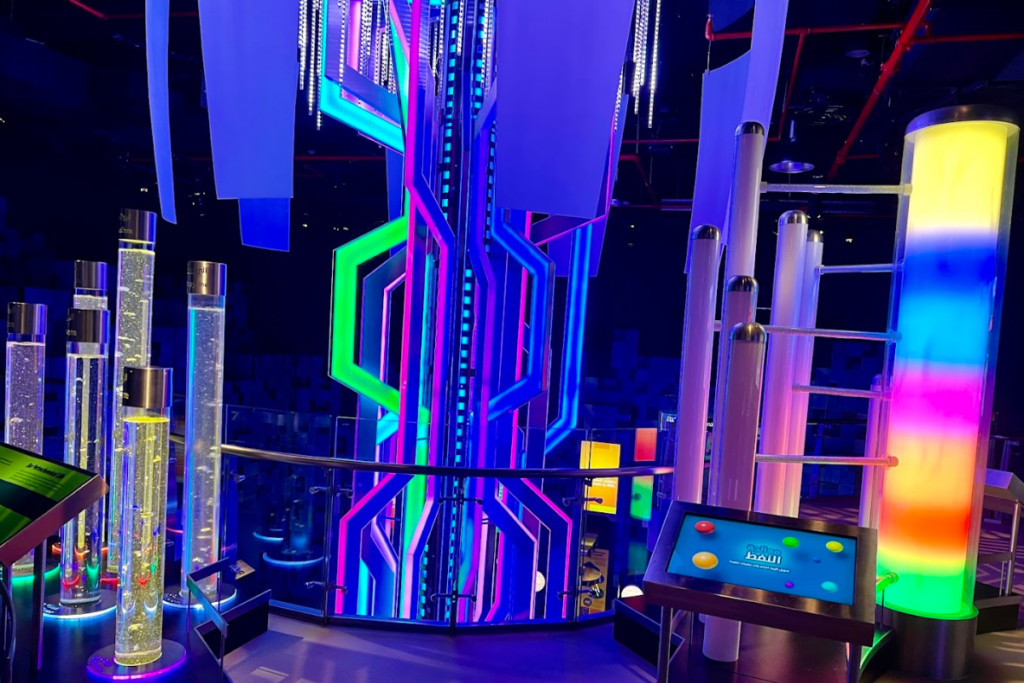
Science might not be the first thing that comes to mind when people think about culture. In Riyadh, it probably should. King Salman Science Oasis offers a different perspective on the city’s cultural identity, one that focuses on education, curiosity and the importance of preparing future generations.
Through interactive exhibitions and hands-on activities, visitors of all ages are encouraged to explore scientific ideas by experimenting, asking questions and learning through experience rather than simply reading information on display boards. That approach makes it especially enjoyable for families, but adults often find themselves just as engaged.
One of the most interesting things about the Science Oasis is what it represents. It reflects a city that is investing not only in preserving its heritage but also in inspiring future scientists, engineers and innovators. Culture is often associated with history. Places like this are a reminder that it is also about the ideas a society chooses to invest in for the future.
Hewar Art Gallery
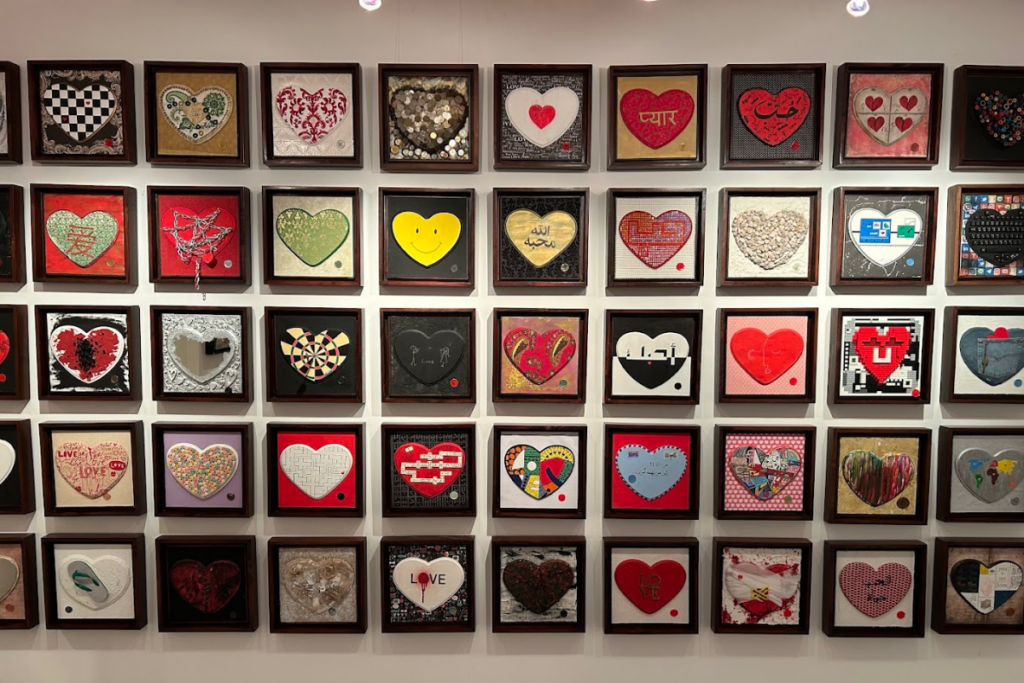
Some galleries are designed to display art. Hewar Art Gallery feels designed to encourage conversations around it. Dedicated to showcasing Saudi and regional artists, the gallery hosts a changing programme of exhibitions alongside workshops, talks and cultural events that bring artists and visitors together in a much more informal setting.
Rather than quietly walking through exhibition halls, people often spend time discussing the work, meeting the artists and learning more about the ideas behind each collection.
That smaller scale is what makes Hewar so rewarding. Instead of feeling like another stop on a cultural itinerary, it feels like becoming part of Riyadh’s creative community, even if only for an afternoon. It is the kind of place that reminds you art is not only something to admire on a wall. It is also something to talk about, question and share with other people.
Some of Riyadh’s Most Interesting Places Are the Ones People Overlook
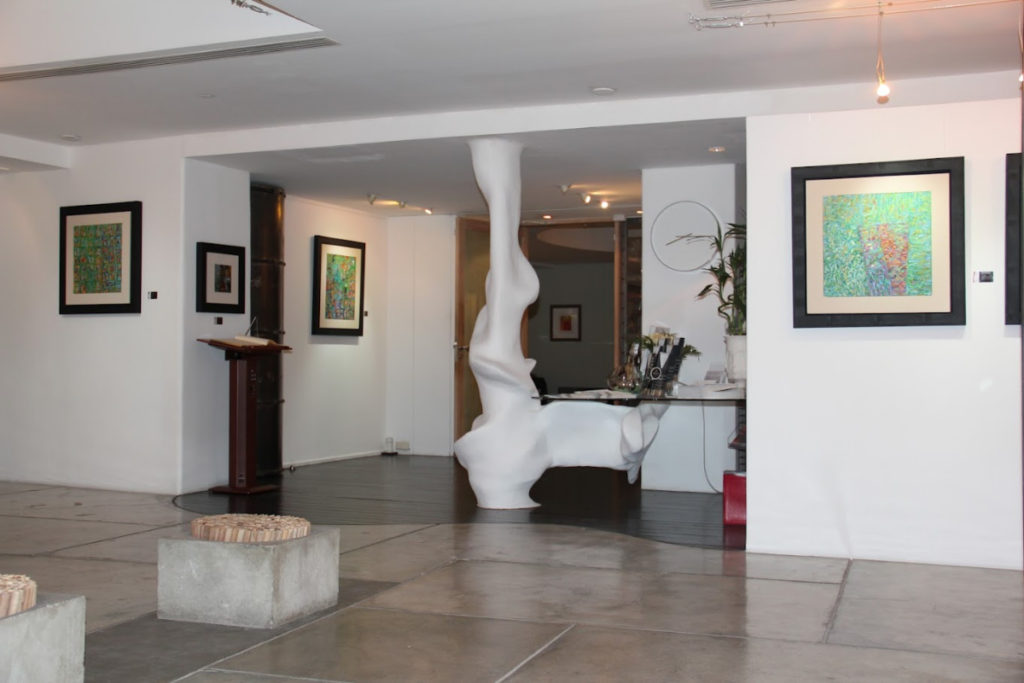
One of the most rewarding things about spending time in Riyadh is that the city slowly rewards curiosity. The more you explore, the more you begin to notice the places that rarely appear on the front page of guidebooks but quietly explain the city’s identity.
They are the art galleries introducing new Saudi artists, the historic buildings connecting modern Riyadh to its past, and the cultural spaces finding new purpose in a rapidly changing city.
They may not be the attractions that appear on every itinerary, but they are often the ones people remember long after they leave. Not because they are difficult to find. Because they help you understand Riyadh rather than simply admire it.
Explore The Riyadh Atlas for local guides, hidden attractions, cultural experiences, and the best places to visit across Saudi Arabia’s vibrant capital.