


One of the nicest things about exploring Riyadh as a family is how naturally children become curious. A child asks why the buildings are made from mud instead of stone. They want to know what a dallah is after spotting one in a market.
They try Arabic coffee for the first time, climb through an old fortress, or watch someone weaving by hand, and suddenly the country’s history feels much more real than it ever could in a textbook.
That is what makes Riyadh such a rewarding city for families. Culture isn’t something children simply look at. It’s something they experience alongside the adults around them.
Walk Through the Story of Saudi Arabia in Diriyah
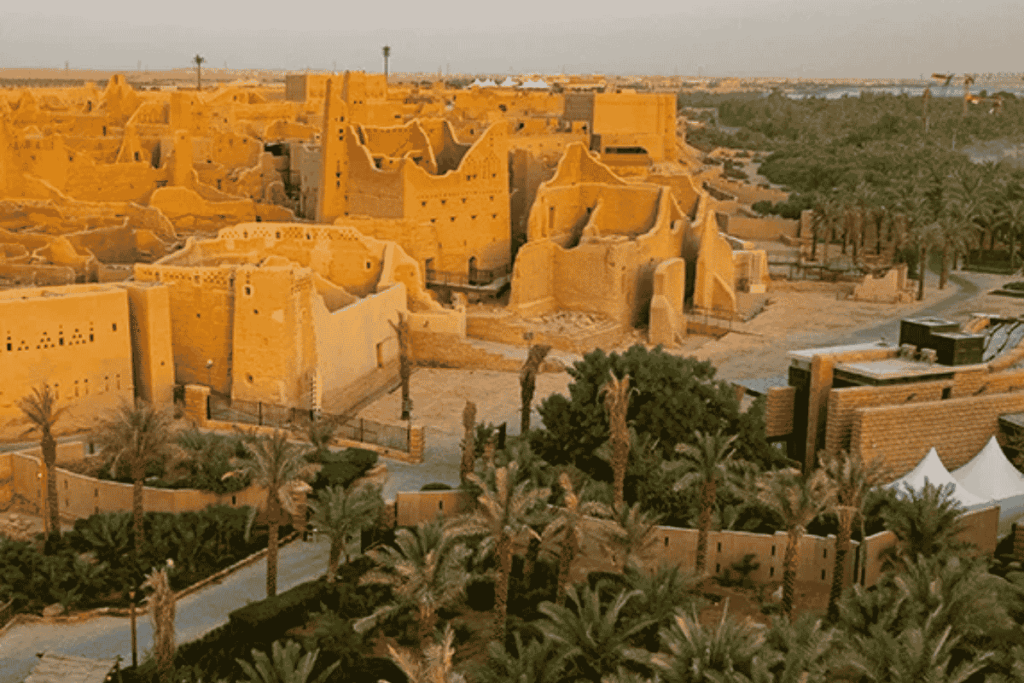
There is a reason so many people recommend spending time in Diriyah, but it isn’t simply because it is beautiful. Walking through At-Turaif gives families somewhere to talk.
Parents naturally find themselves explaining why the buildings look different, imagining what daily life might have been like hundreds of years ago and answering the endless questions that curious children always seem to ask.
The museums and exhibitions add context, but for many families the real experience comes from wandering the narrow streets together, climbing the pathways and taking time to explore without feeling rushed.
Afterwards, Bujairi Terrace is an easy place to stop for lunch while looking back across the UNESCO World Heritage Site you’ve just explored. It rounds out the visit without making you feel like you’ve left the experience behind.
Let Children Explore a Real Fortress
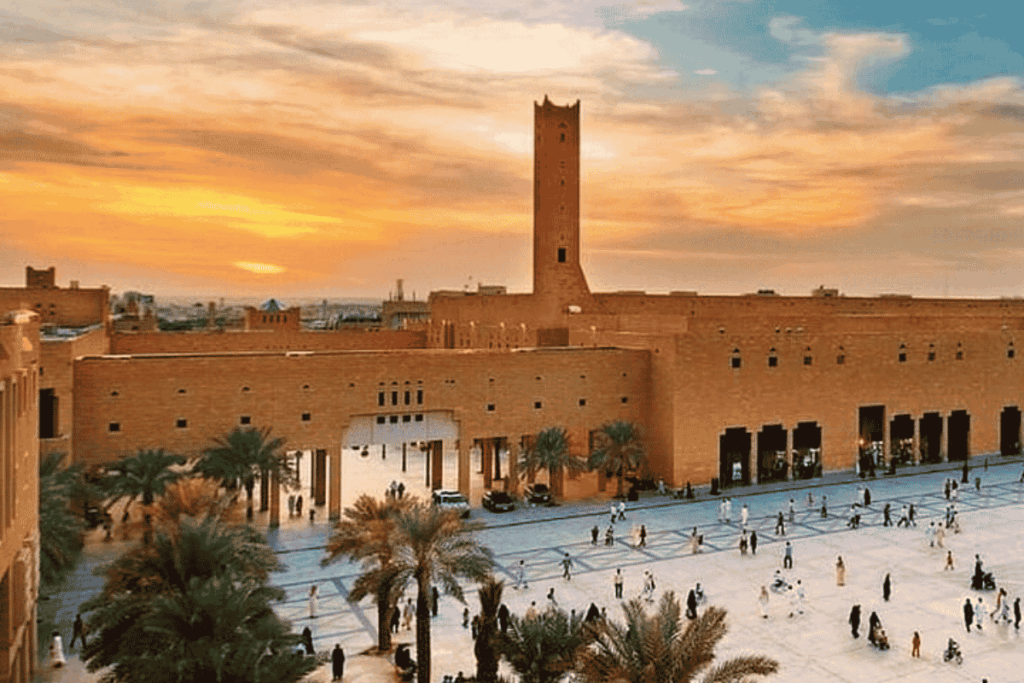
History is much easier to understand when children can walk through it. Al Masmak Fortress is one of Riyadh’s most important historical landmarks, and it’s also a place children genuinely enjoy exploring. The thick mud walls, wooden gates and watchtowers capture their attention long before they understand why the fortress matters.
Inside, the museum tells the story of Saudi Arabia’s unification through photographs, artefacts and historical displays. Outside, children are often busy imagining what life inside the fortress might have looked like. It is one of those rare attractions where history and imagination work together.
Slow Down at Souq Al Zal
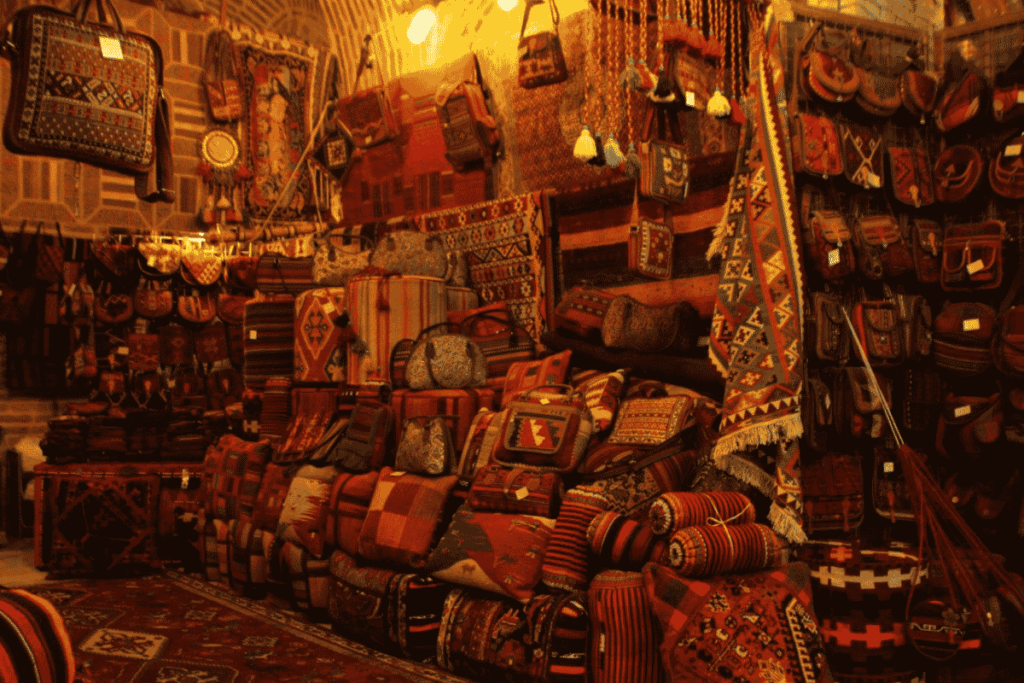
Traditional markets encourage families to explore in different ways. Unlike a shopping mall, where everyone usually knows exactly where they’re going, Souq Al Zal invites people to wander. Parents rarely get through Souq Al Zal as quickly as they expect.
Children stop to smell oud, ask why coffee pots all look different or become fascinated watching someone weave by hand. Suddenly, the shopping list disappears, and everyone is simply exploring together.
Those moments might seem small at the time, but they often become the conversations children remember afterwards. The market also offers a glimpse into everyday Saudi culture, showing that traditions endure beyond museums and historic sites.
Give Everything Context at the National Museum
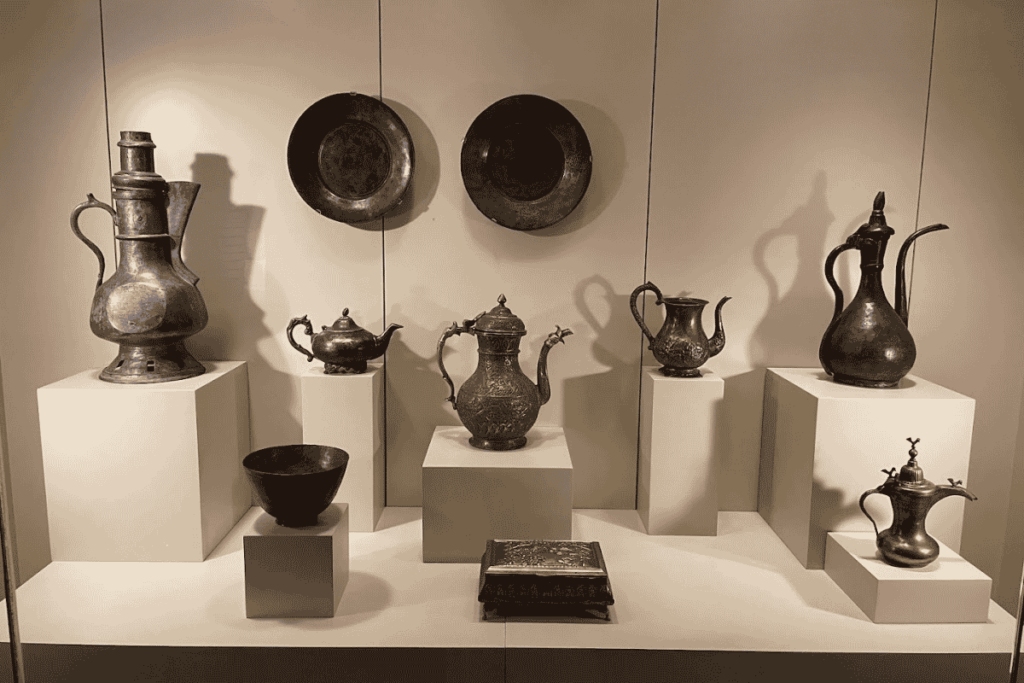
The National Museum is one of the best places to visit after Diriyah or Al Masmak because everything suddenly makes more sense. After wandering through Diriyah or visiting Al Masmak Fortress, the museum provides the wider story, taking visitors from the Arabian Peninsula’s earliest history through Islamic civilisation and into modern Saudi Arabia.
The exhibitions are varied enough to keep different ages interested, with artefacts, models, and interactive displays breaking up the art galleries. Rather than trying to see everything as quickly as possible, it is worth taking your time. Children often notice details that adults walk straight past, and those unexpected questions usually lead to the most interesting conversations.
Share a Traditional Saudi Meal
Some of the most meaningful cultural experiences happen around a table. Traditional Saudi food is designed to be shared, making it an easy way for families to experience another part of the country’s culture together. Ordering dishes such as kabsa, jareesh, or matazeez encourages everyone to try something new rather than choosing separate meals.
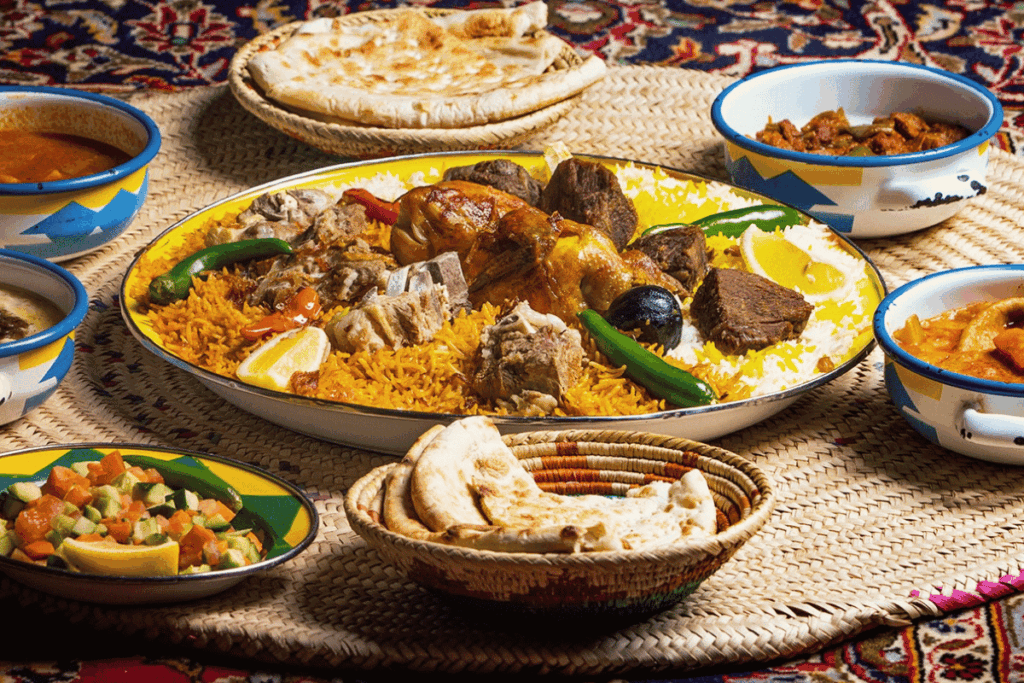
It is also an opportunity to introduce children to Saudi hospitality, where welcoming guests with Arabic coffee and fresh dates remains an important tradition. Long after the meal is over, children are often just as likely to remember trying a new flavour as they are visiting a landmark.
Learn Through Traditional Crafts
Children rarely want to stand on the sidelines. Give them the chance to make something themselves, and suddenly the experience becomes much more memorable.
Throughout the year, Riyadh’s museums, cultural centres and creative spaces host workshops celebrating traditional Saudi crafts. Depending on what’s available, families might find pottery, Arabic calligraphy, weaving, or heritage-inspired art sessions.
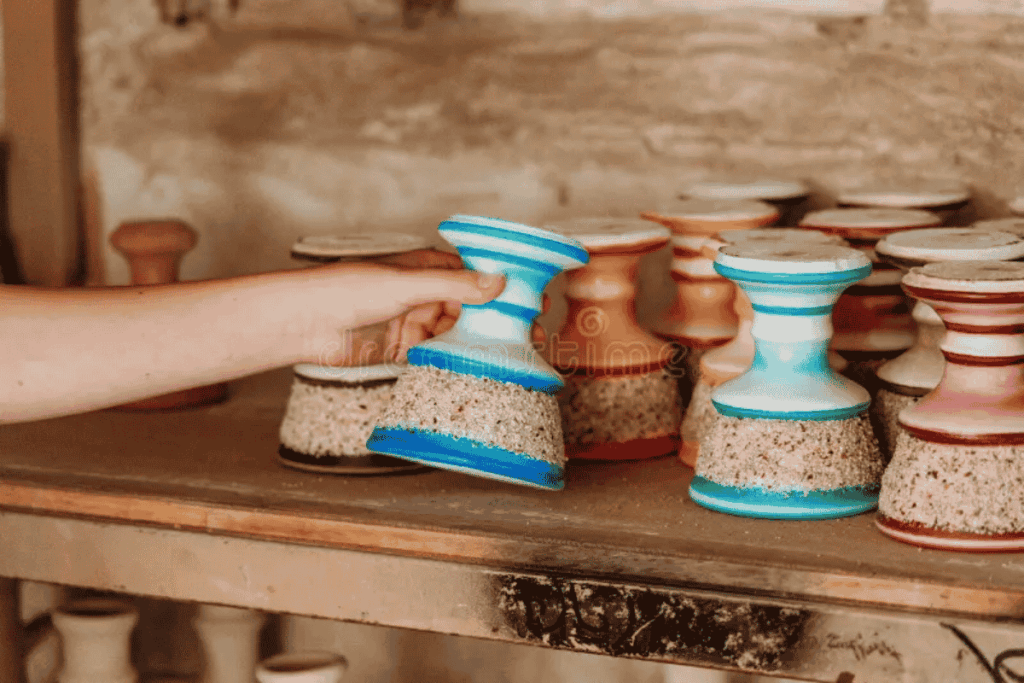
Creating something together gives children a connection to traditions that goes beyond simply seeing them on display. Instead of asking them to observe, these workshops invite them to become part of the experience.
Spend an Evening in the Desert
Although Riyadh is a modern capital, the desert remains an important part of Saudi identity. Many family-friendly desert experiences combine camel rides with traditional hospitality, Bedouin-style camps, and evenings spent sharing Arabic coffee beneath the open sky.
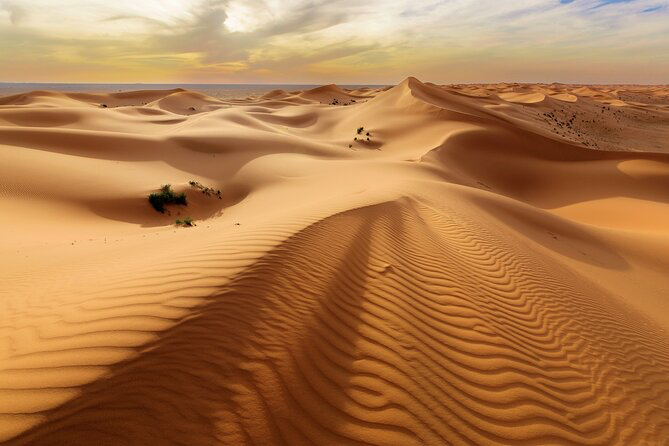
For younger children, the camels are usually the highlight. Parents often remember something different: slowing down for a few hours, listening to stories, watching the sunset, and introducing their children to traditions that have shaped life across the Arabian Peninsula for generations. It is a reminder that culture isn’t only found inside the city.
Experience a Heritage Festival Together
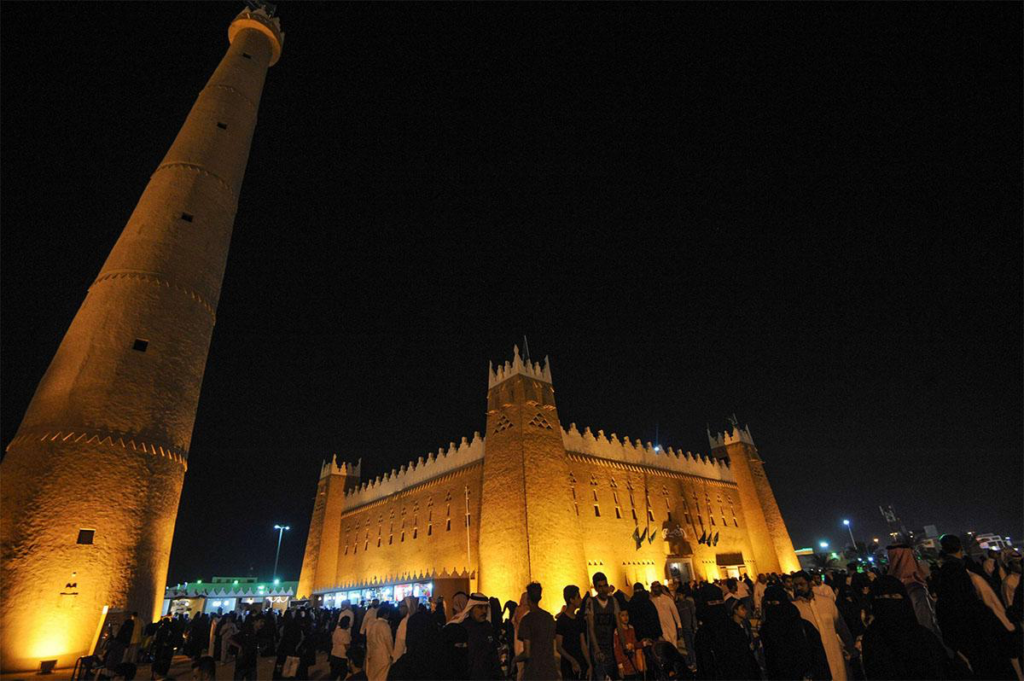
If you’re in Riyadh during one of the city’s heritage festivals, it is well worth making time to visit. These events bring together traditional music, dance, storytelling, handicrafts, and regional food in one place, giving families the chance to experience Saudi culture as a community rather than through an exhibition.
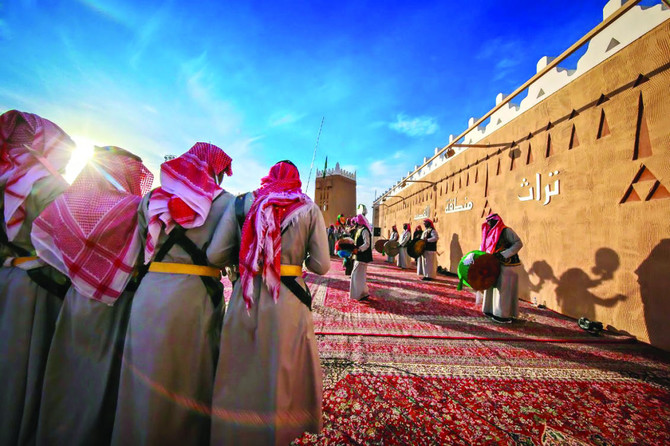
Children can see traditions being practised instead of simply reading about them, while parents often discover something new alongside them. That shared experience is what makes heritage festivals so memorable.
More Than a Family Day Out
The best cultural experiences in Riyadh don’t ask children to memorise facts or dates. Instead, they encourage families to ask questions, try unfamiliar foods, explore historic places, and spend time together discovering how Saudi traditions continue to shape everyday life.
Ask most adults what they remember from family trips when they were children, and it usually isn’t the dates they learned or the information boards they read.
It’s climbing somewhere they probably weren’t supposed to, trying food they’d never seen before or asking a hundred questions on the drive home. Riyadh has plenty of places that create those kinds of memories.
In the end, that’s what makes these experiences cultural. They aren’t just places to visit. They’re opportunities for families to understand Riyadh together.
Whether you’re exploring Saudi heritage or planning your next family day out, discover more expert guides and local recommendations with The Riyadh Atlas.