


Riyadh is known for its modern shopping malls, but its souqs are where some of the city’s most interesting shopping experiences can still be found. These traditional markets have been around for decades, and they are noisier, less polished, and far more unpredictable, which is exactly what makes them worth visiting.
No two are the same. One specialises in antiques and traditional crafts, another is lined with jewellers, while others are where local families still shop for fabrics, perfumes, and everyday essentials. They are places to wander rather than rush through, and the best finds are often the ones that were never being looked for in the first place.
Whether you’re shopping or simply wandering for an afternoon, these are the souqs that show a side of Riyadh that the malls can never quite show.
Traditional Souqs in Riyadh
Souq Al Zal
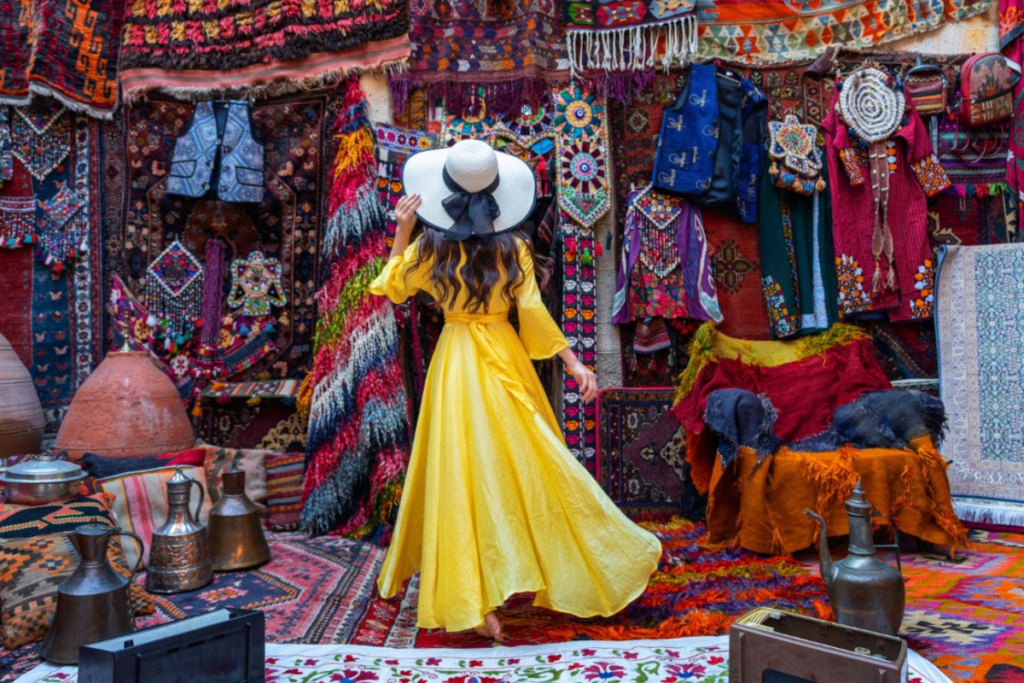
If there is one traditional market that belongs on every Riyadh itinerary, it is Souq Al Zal. Located beside Al Masmak Fortress in the historic Dirah district, this is one of the city’s oldest and most recognisable markets.
The narrow walkways are filled with antique furniture, handwoven carpets, brass coffee pots, oud, incense, traditional clothing and countless small shops selling items that reflect Saudi heritage rather than mass-produced souvenirs. The biggest mistake is trying to see it too quickly.
Souq Al Zal is the kind of place where the smallest shops often turn out to be the most interesting. A shop with only a handful of items outside might open into a room full of antiques, while another could specialise in vintage coins or traditional Najdi pieces that are difficult to find elsewhere.
Taking time to wander usually leads to far better discoveries than following a planned route. Even without buying anything, it offers one of the clearest glimpses into Riyadh’s trading history.
Al Thumairi Souq
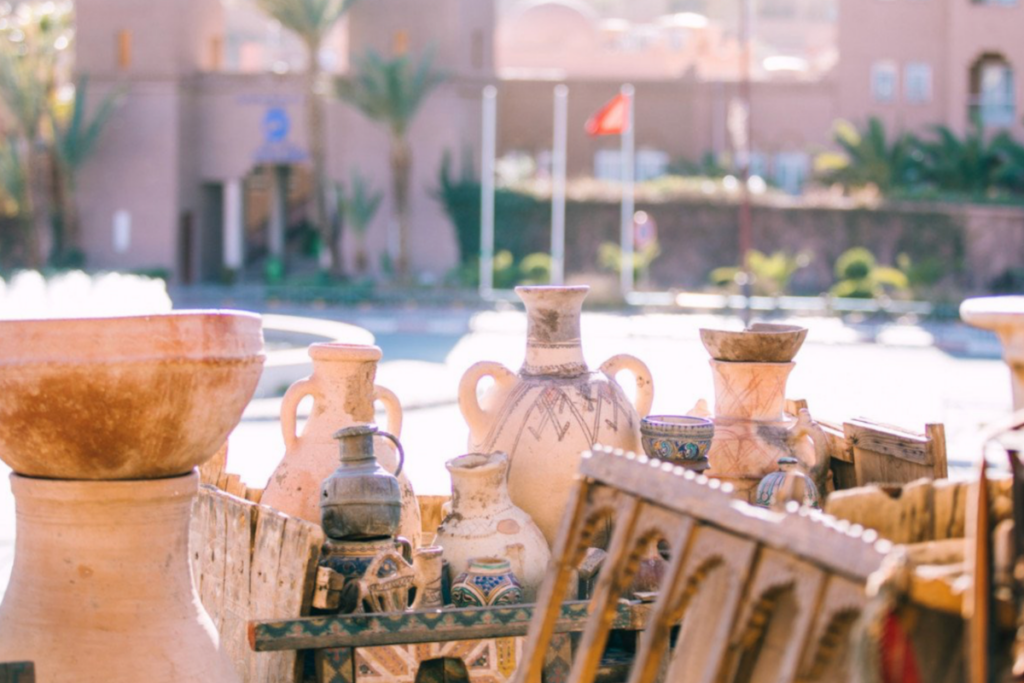
Just a short walk from Souq Al Zal, Al Thumairi Souq makes an easy addition to the same visit. The atmosphere feels noticeably calmer, with shops selling embroidered fabrics, abayas, perfumes, prayer mats, traditional clothing, and locally made accessories. While visitors certainly come here, it still feels very much like a market that serves residents, giving it a more authentic atmosphere than many shopping districts.
There is no real need for a plan here. Simply following whichever street looks interesting usually works best. Some of the quieter lanes are home to independent shops that have been serving customers for years, and those often become the highlights of the visit. For anyone interested in seeing everyday life in historic Riyadh, this is one of the easiest places to do it.
Taiba Markets
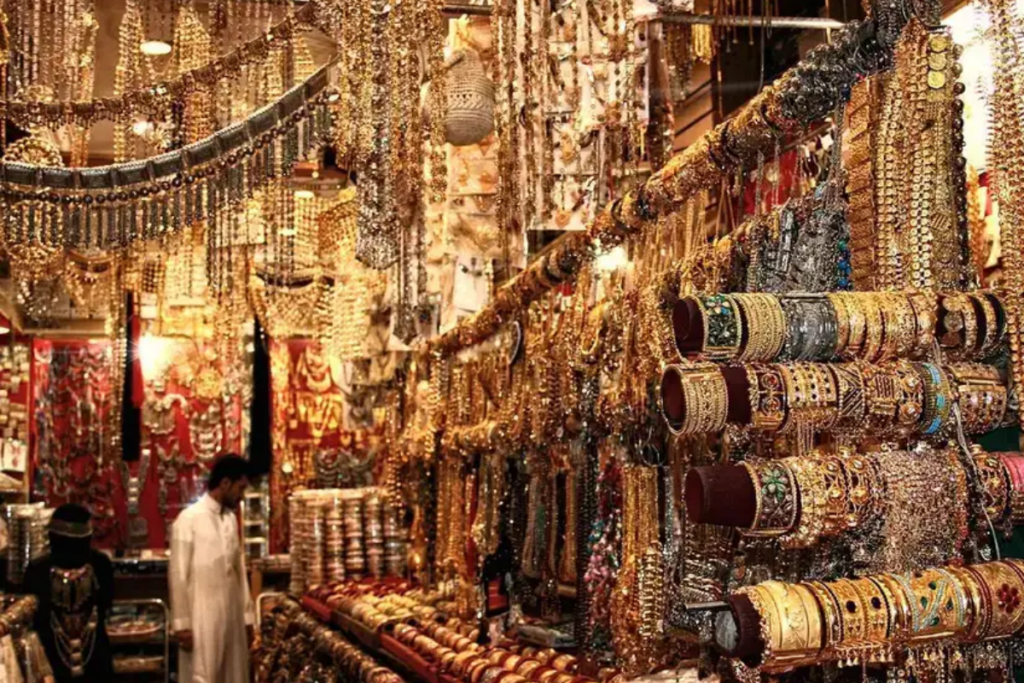
Taiba Markets has a completely different feel from the historic souqs. Best known for its jewellery stores, it is one of Riyadh’s most popular places to shop for gold, diamonds, and watches, but there is much more here than jewellery alone. Perfume shops, gift stores, abaya boutiques, and fashion retailers all add to the experience, making it easy to spend a few hours browsing.
Rather than feeling like a luxury shopping mall, Taiba still has the atmosphere of a traditional marketplace. People move from one shop to another, comparing prices, asking questions, and taking their time before making a purchase. Even without buying anything, it is difficult not to stop every few metres to admire the displays. Some of the craftsmanship is genuinely impressive.
Riyadh Gold Souq
Gold shopping has long been part of Riyadh’s retail culture, and the Gold Souq remains one of the city’s best-known destinations for exactly that reason.
Window displays range from delicate everyday jewellery to elaborate bridal sets that showcase incredible craftsmanship. Every shop has its own style, making it surprisingly enjoyable to browse even without a shopping list.
The market becomes noticeably busier later in the afternoon and into the evening, when families and shoppers fill the walkways. That extra energy adds to the experience and makes it easier to appreciate why this part of Riyadh has remained such an important shopping destination for so many years.
Al Maigliah Market
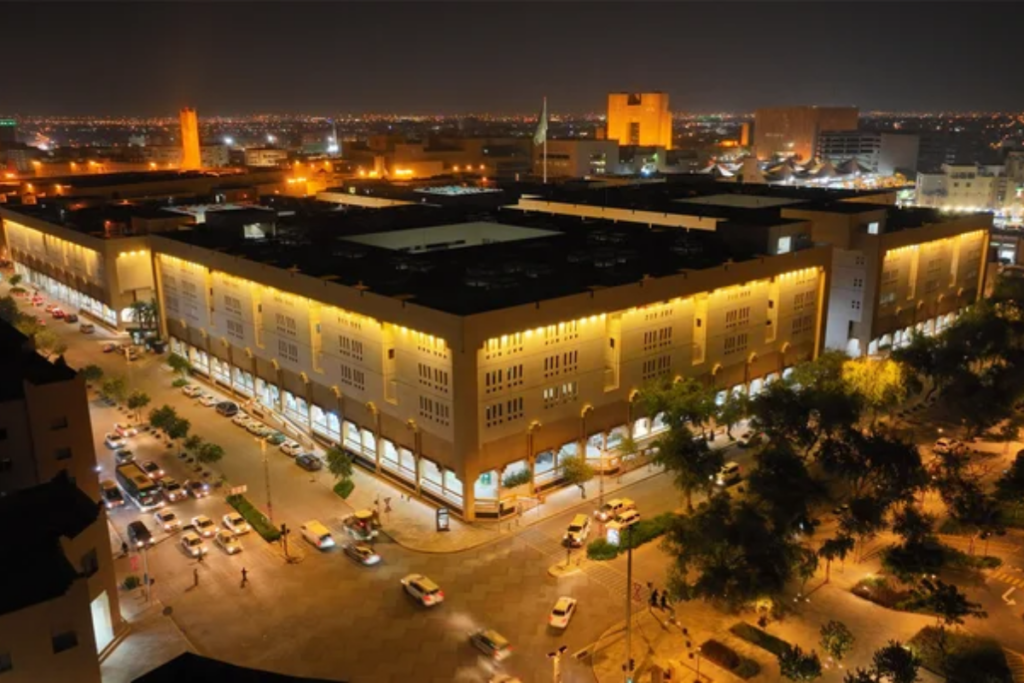
Al Maigliah Market offers something completely different again. Rather than specialising in a single product, it brings together clothing, perfumes, household goods, electronics, accessories, and everyday essentials in a busy commercial district. It is the sort of place where a quick visit often turns into an hour or two simply because there is so much to browse.
This is also one of the easiest places to see how residents shop outside the city’s malls. Independent businesses line the streets, prices are often competitive, and the atmosphere feels practical rather than designed around tourism. It may not have the history of Souq Al Zal, but it remains an important part of Riyadh’s shopping scene.
More Than Places to Shop
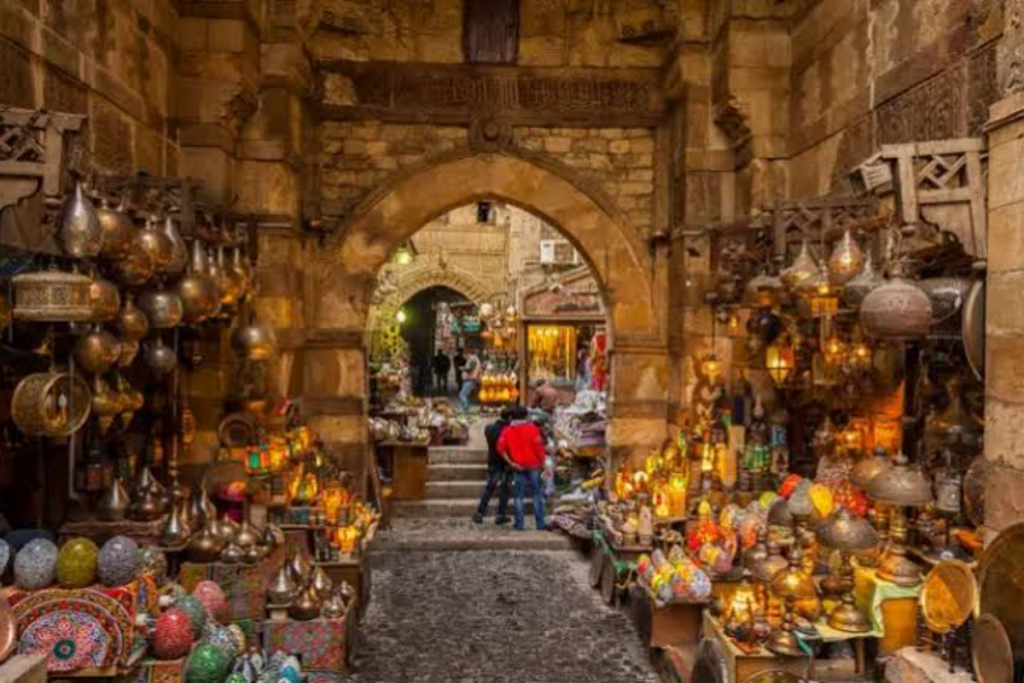
The best thing about Riyadh’s souqs is that they still feel genuine. These are not carefully curated attractions created for visitors. They are working markets where people shop, bargain, meet friends and carry on traditions that have been part of the city for generations. That is what gives each one its own personality.
For history and traditional crafts, Souq Al Zal is the obvious starting point. Al Thumairi Souq offers a quieter look at historic Riyadh; Taiba Markets and Deira Gold Souq are ideal for jewellery lovers, while Al Maqlaia Market provides a glimpse of everyday shopping in the city.
Modern malls will always have their place, but spending a few hours in Riyadh’s souqs offers a side of the city that glass storefronts and designer brands simply cannot replicate.
Explore The Riyadh Atlas for expert local guides, hidden gems, cultural attractions, restaurants, shopping destinations and unforgettable experiences across the city.