


The best photography places in Riyadh rarely come from standing in front of the city’s tallest building. They come from places that reveal something about where you are.
Riyadh has no shortage of impressive skylines, but some of its most memorable photography locations tell a much deeper story. They capture the history, traditions, and everyday moments that have shaped the city long before its modern skyline began to grow.
If you’re hoping to come home with photographs that say something about Riyadh, rather than simply showing where you stood, these are the places worth seeking out.
Best Photography Spots in Riyadh with Cultural Significance
At-Turaif
Every visit to At-Turaif offers another reason to slow down. Most people naturally photograph the sweeping views across this UNESCO World Heritage Site, but some of the most memorable images are found much closer to the ground. Worn wooden doors, textured mud-brick walls, narrow alleyways and quiet courtyards reveal the craftsmanship behind traditional Najdi architecture in a way that wide landscape photographs often cannot.
One of the reasons At-Turaif photographs so well is that it was never designed to impress a camera. Every passageway, courtyard and building had a practical purpose long before anyone thought about tourism. That authenticity is difficult to recreate, and it gives the entire district a sense of character that becomes immediately apparent once you look beyond the main landmarks.
If you visit later in the afternoon, the softer light transforms the colour of the buildings and creates long shadows that bring the historic streets to life. Rather than trying to photograph everything, spend time noticing the smaller details. They often tell the most interesting story.
Souq Al Zal
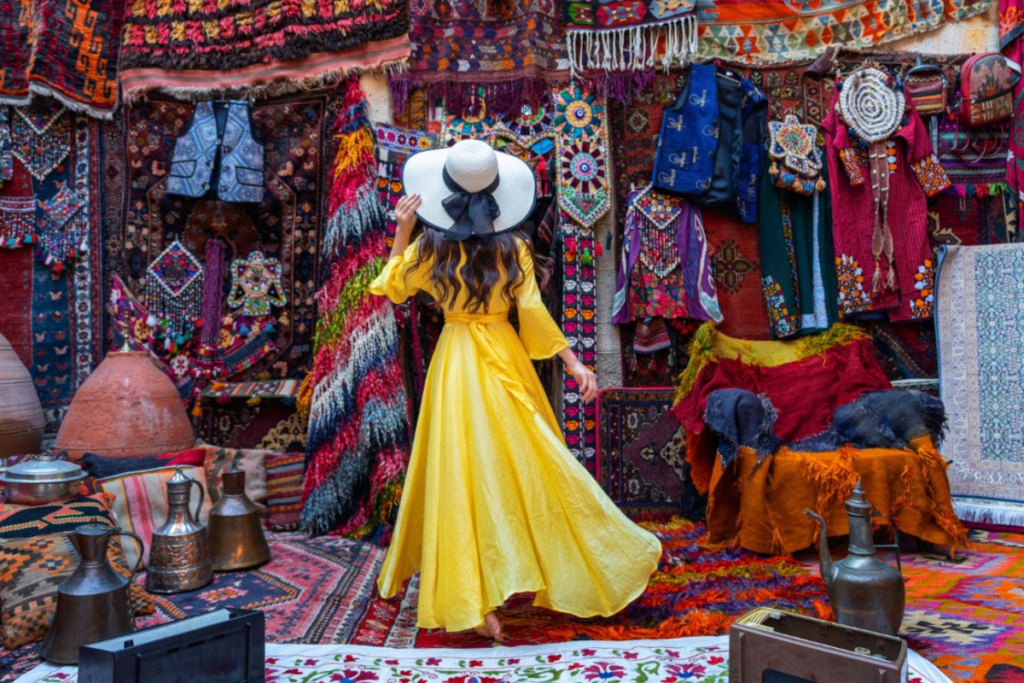
Some photographs capture buildings. Others capture everyday life. Souq Al Zal has been part of Riyadh for generations, and that sense of history is still very much alive. Antique coffee pots, colourful textiles, traditional perfumes and handmade goods create endless opportunities for photographs that feel authentic rather than staged.
It is also one of the few places where slowing down usually leads to better photographs. Spend ten or fifteen minutes in the same spot, and the scene changes constantly. Shopkeepers greet regular customers, conversations drift between neighbouring stores, and deliveries weave their way through the narrow walkways. Rather than chasing one perfect image, let the market unfold around you.
Instead of searching for the perfect pose, look for the smaller moments happening every day. A shopkeeper carefully arranging his displays, the textures of old wooden storefronts or neatly stacked carpets often say far more about Riyadh than another portrait ever could. They capture a market that continues to serve the city rather than simply preserving its past.
JAX District
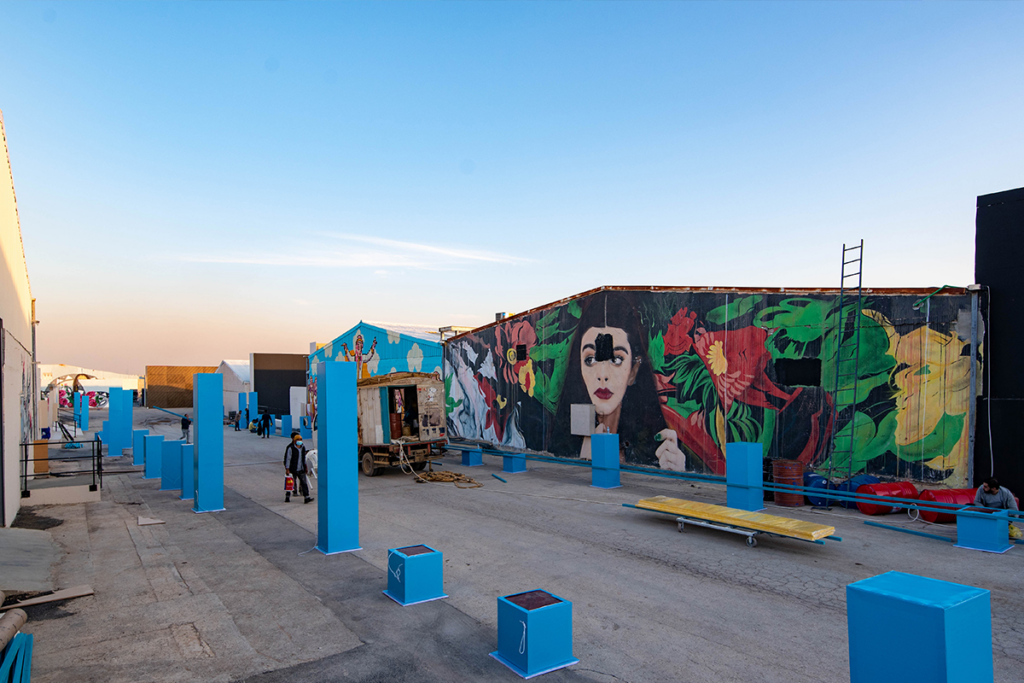
If At-Turaif tells the story of Saudi Arabia’s past, JAX District offers a glimpse of where its creative scene is heading. Former industrial warehouses have been transformed into galleries, artist studios and exhibition spaces, but the buildings themselves remain an important part of the experience.
Concrete walls, warehouse doors, and open courtyards have not been hidden or replaced. Instead, they have become the backdrop for contemporary Saudi art, creating a fascinating contrast between the district’s industrial past and its creative present.
It is worth resisting the temptation to photograph individual artworks alone. Some of the strongest images come from stepping back and capturing the wider setting, where large-scale installations spill into shared spaces and visitors move between art galleries that still feel unmistakably like warehouses. The result is a photograph that says as much about Riyadh’s evolving cultural identity as it does about the art itself.
Qasr Al-Hukm District
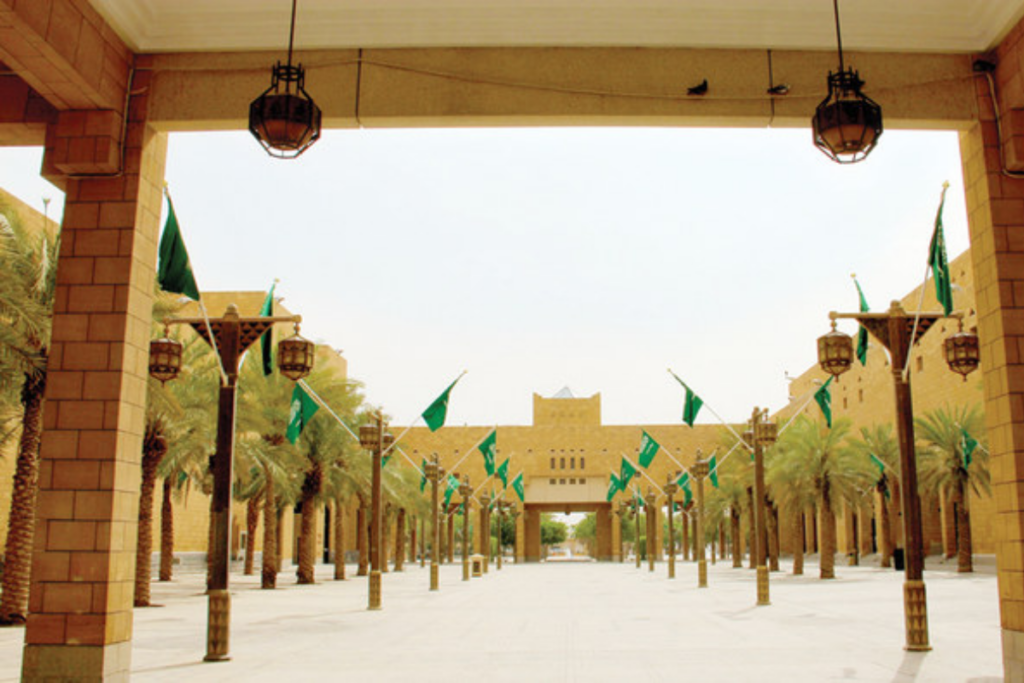
One of the most rewarding things about photographing Qasr Al-Hukm is that it never feels like a historic site separated from everyday life. Government buildings, traditional architecture, public squares, and one of Riyadh’s oldest mosques all exist within the same neighbourhood, creating a place where history remains part of the city’s daily rhythm rather than something preserved behind barriers.
That is what makes it so interesting to photograph. Instead of focusing on one landmark, spend time wandering between Safat Square, Imam Turki bin Abdullah Mosque and the surrounding streets.
People stop to talk, walk to prayer, meet for coffee, and move through spaces that have been part of Riyadh for generations. Those everyday moments often create far more meaningful photographs than empty streets or carefully framed buildings because they capture the district as it was always intended to be used.
King Abdulaziz Historical Centre
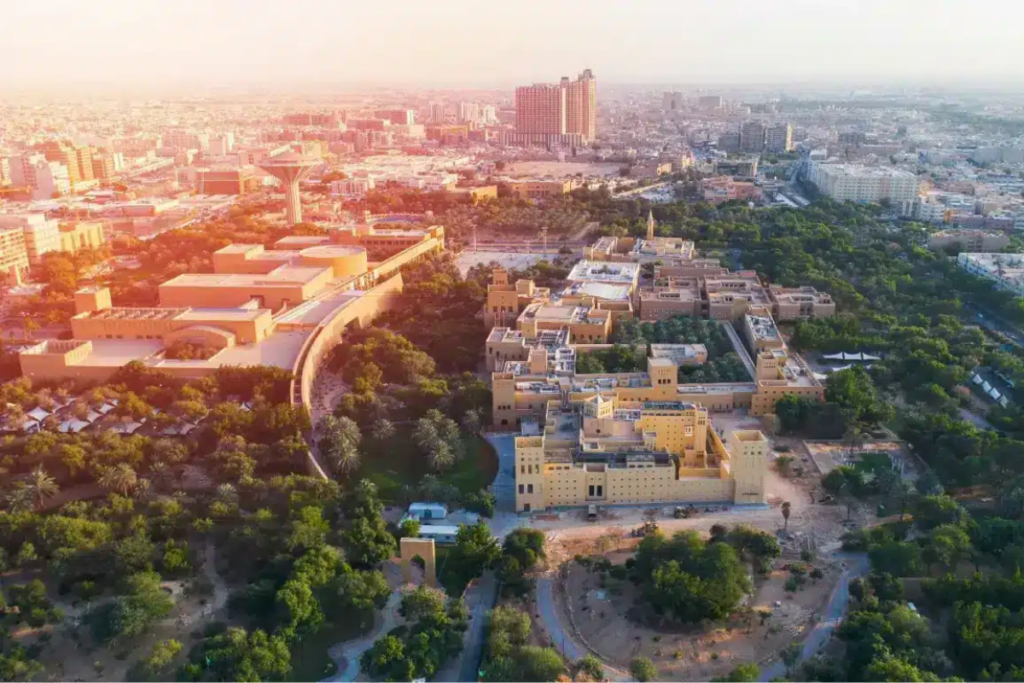
Many visitors head straight to the National Museum, but the wider King Abdulaziz Historical Centre deserves just as much attention. Palm-lined walkways, Murabba Palace, landscaped gardens, and carefully preserved buildings create a setting where Saudi Arabia’s history feels connected rather than divided into separate attractions.
Rather than moving quickly from one site to the next, the area encourages people to slow down and see how the different buildings and public spaces relate to one another. That is also what makes it so rewarding to photograph.
Rather than concentrating on museum exhibits, look at the wider landscape. The symmetry of the gardens, the contrast between traditional architecture and contemporary museum design, and the way palm trees naturally frame many of the historic buildings all create photographs that feel considered without looking staged.
Instead of documenting a museum visit, you come away with images that reflect how Riyadh continues to preserve and present its history.
Wadi Hanifah from Diriyah
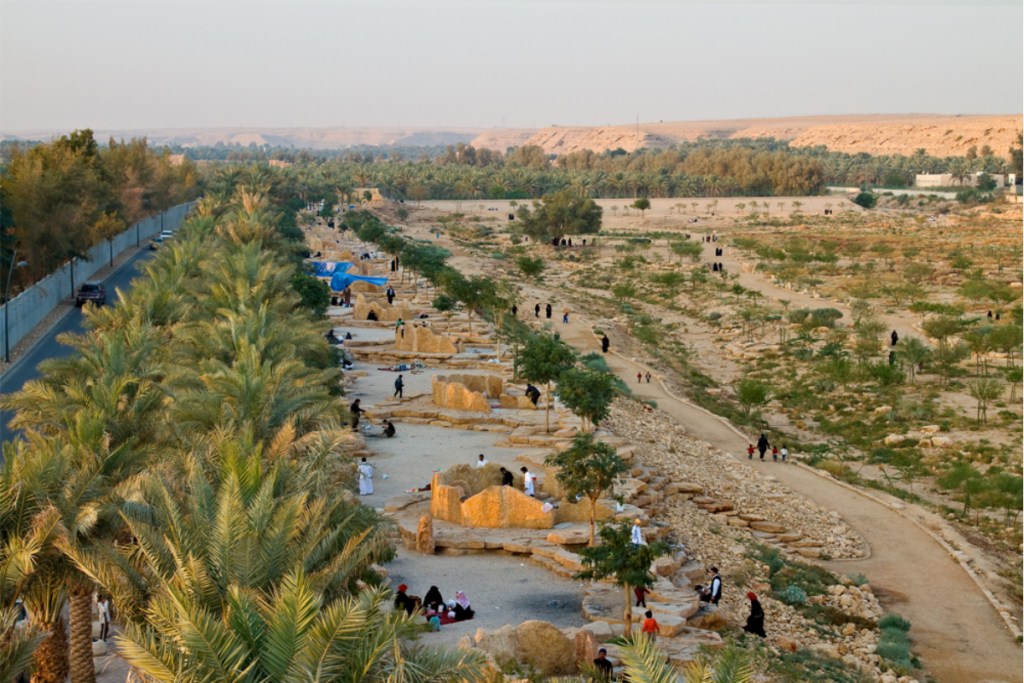
Some of Riyadh’s most meaningful photographs come from looking beyond the buildings themselves. Standing above Wadi Hanifah from Diriyah offers a completely different perspective on the city.
The valley helps explain why settlements first developed here, placing the historic district within the landscape that shaped its history long before Riyadh became the capital it is today.
It may not be the city’s most dramatic viewpoint, but that is not really the point. The view encourages you to think about the relationship between the land and the communities that grew around it.
Looking out across the valley, it becomes much easier to understand why this area became such an important part of Saudi Arabia’s story. The photographs you take here are unlikely to be the most dramatic ones from your trip. They may, however, be the ones who say the most.
The Best Photographs Tell a Story
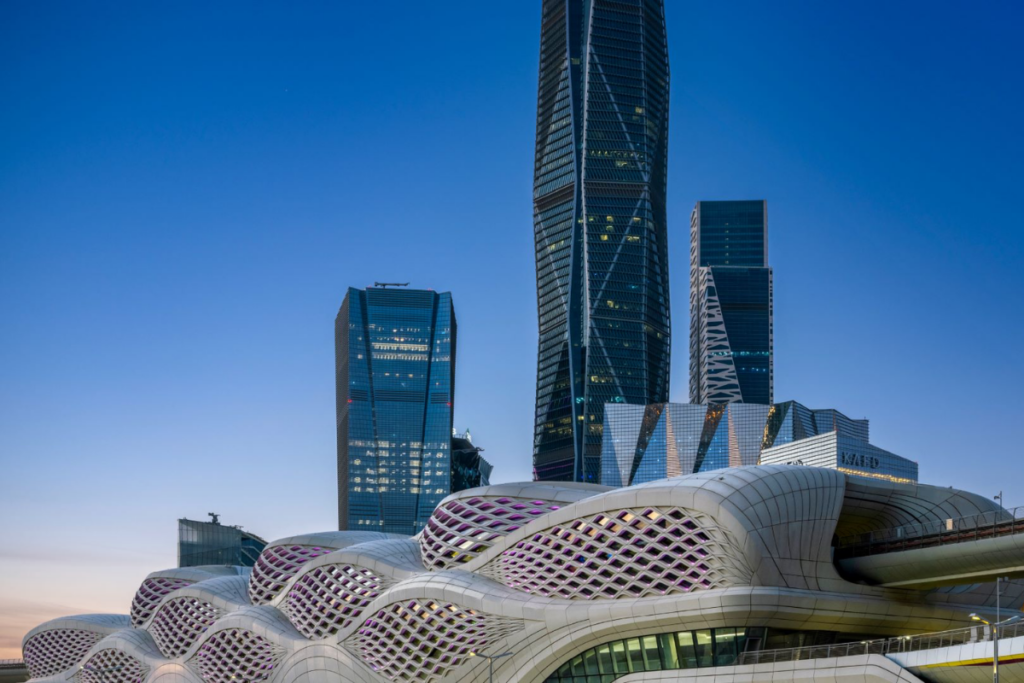
One of the most interesting things about photographing Riyadh is that the city’s most memorable images are rarely its tallest buildings or newest attractions.
They are the photographs that reveal how people live, how history has been preserved, and how tradition endures alongside one of the Middle East’s fastest-changing capitals.
That might be the texture of a centuries-old doorway in At-Turaif, a craftsman arranging carpets in Souq Al Zal or the contrast between contemporary art and industrial architecture inside JAX District.
The longer you spend exploring Riyadh, the more you realise that its story is often found in the places people walk past without a second glance.
A quiet courtyard, a busy market or a view across Wadi Hanifah can reveal just as much about the city as its most recognisable landmarks. The best photographs do more than remind you where you went. They help explain why the place mattered.
Planning your next adventure? Visit The Riyadh Atlas for more expert guides to Riyadh’s cultural attractions, historic landmarks, restaurants, and unique experiences.