


Mention Riyadh and most people picture glass towers, busy roads, and an endless desert stretching towards the horizon. Yet some of the best nature places in Riyadh reveal a completely different side of the capital. Spend a little longer here and an entirely different landscape begins to emerge.
Ancient valleys wind through the city, dramatic escarpments rise from the surrounding plains and protected reserves provide a home for wildlife that has adapted to one of the world’s harshest environments.
Together, they tell a story that is much older than modern Riyadh itself. If you want to understand the landscape that shaped Saudi Arabia’s capital, these are some of the best places to begin.
Best Nature Places in Riyadh
Wadi Hanifah
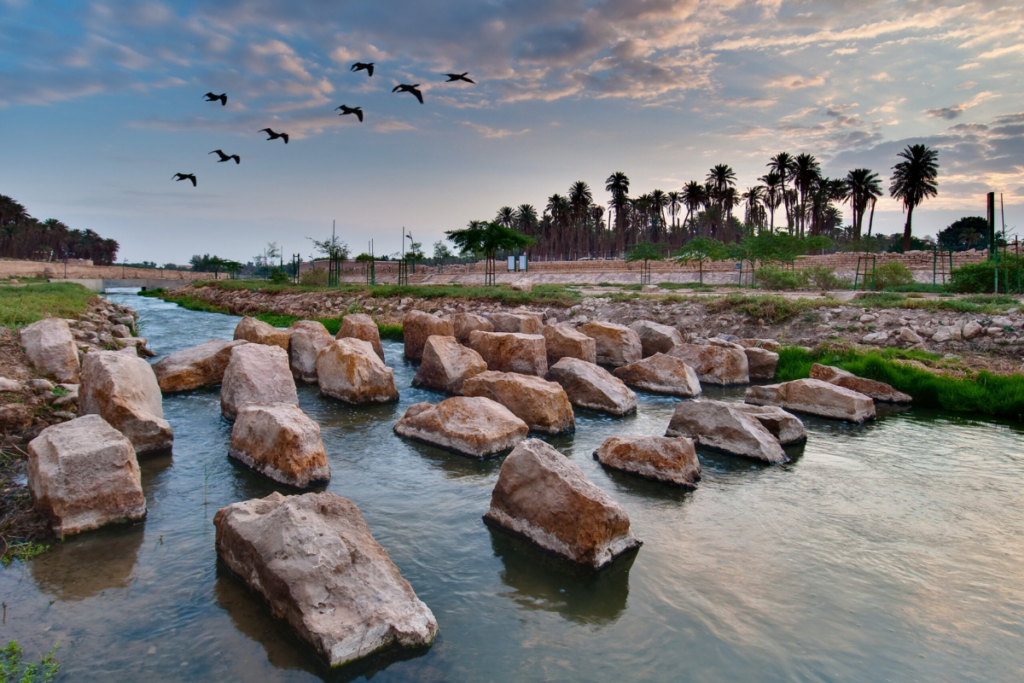
One of the biggest surprises about Riyadh is that a natural valley runs straight through the city. Stretching for more than 120 kilometres, Wadi Hanifah has been part of the region’s history for centuries.
It once supported agriculture and settlements long before Riyadh became the modern capital it is today. More recently, an ambitious environmental restoration project has transformed much of the valley into one of the city’s most important green spaces.
Walking or cycling along its trails feels very different from spending time in one of Riyadh’s parks. Palm trees line parts of the valley, birds have returned to restored wetlands and the surrounding cliffs provide a reminder that this landscape existed long before the roads and skyscrapers appeared around it. It is one of the easiest places to appreciate how closely Riyadh’s history has always been connected to its natural environment.
Edge of the World
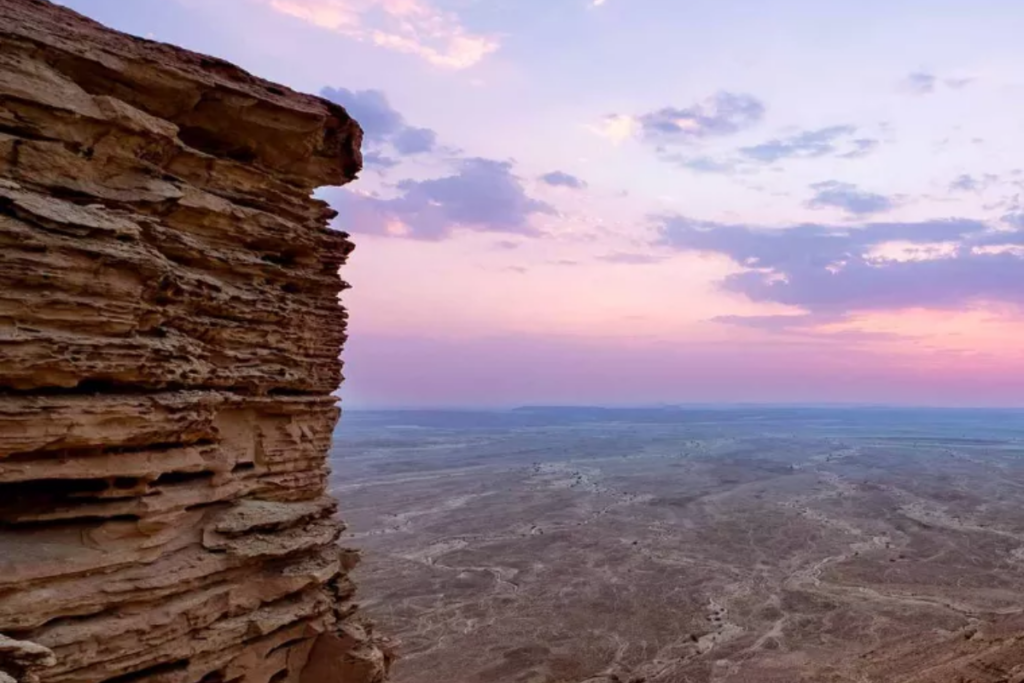
Few places near Riyadh leave a first impression quite like the Edge of the World. The towering cliffs of Jebel Fihrayn rise dramatically above the surrounding desert, creating views that seem to stretch endlessly across the plains below.
Standing at the edge, it is difficult not to imagine the landscape as it once was. Millions of years ago, this entire area lay beneath an ancient sea, and the escarpment forms part of what remains from that remarkable geological history.
The views are spectacular, but they are not the only reason to visit. What stays with most people is the silence. Away from the city, the scale of the landscape becomes almost impossible to capture in photographs, making this one of those rare places that genuinely feels more impressive in person.
Rawdat Khuraim
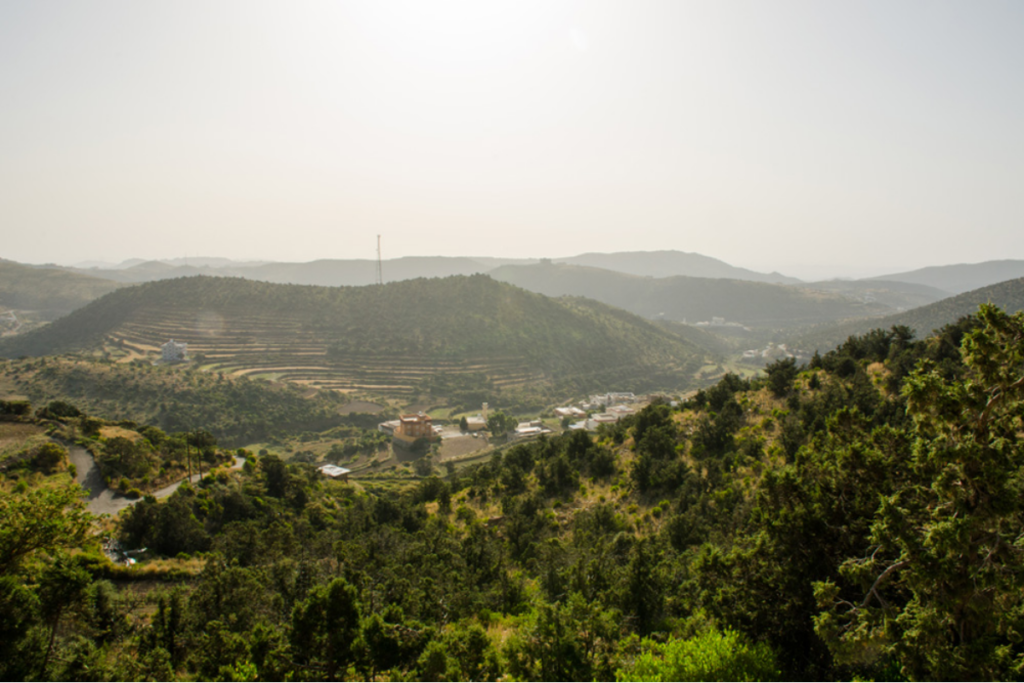
For much of the year, Rawdat Khuraim looks exactly as many people imagine the Saudi desert. Then the rain arrives. During the cooler months, this protected rawdah can transform into one of the greenest landscapes near Riyadh, with wildflowers, grasses and acacia trees covering an area that only weeks earlier appeared almost empty. It is a reminder that the desert is far more dynamic than many visitors expect.
Even outside the spring season, Rawdat Khuraim remains a peaceful place to experience the quieter side of central Saudi Arabia. It is less about dramatic scenery and more about noticing how life adapts to an environment that changes with the seasons.
King Khalid Royal Reserve
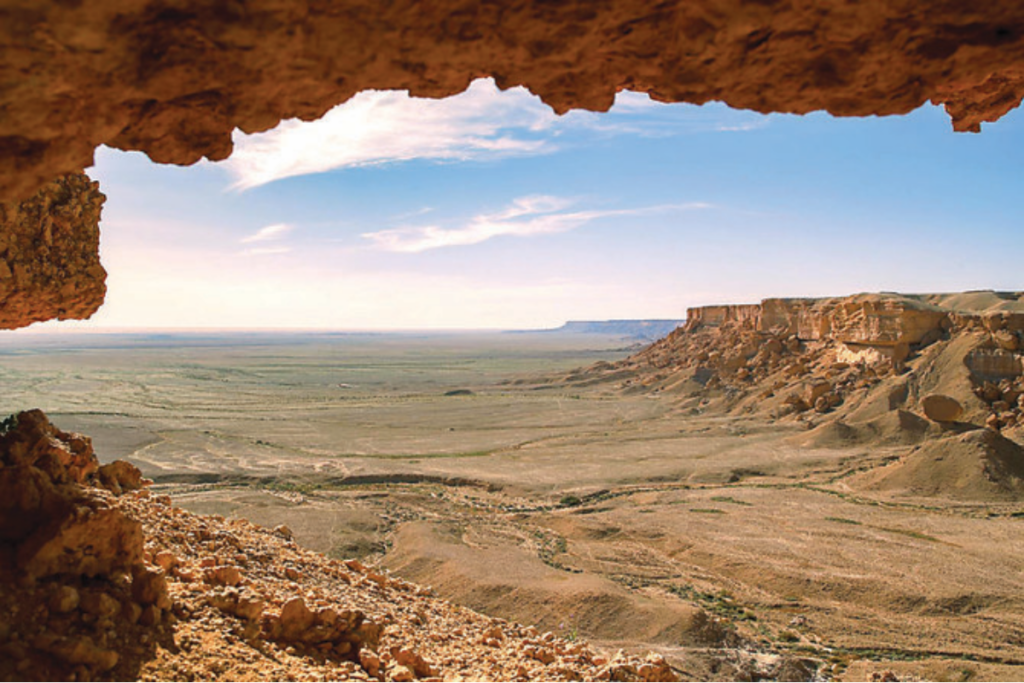
Some of Saudi Arabia’s most important natural spaces are also its least understood. King Khalid Royal Reserve protects a vast area of desert landscape north of Riyadh while supporting conservation projects focused on native plants and wildlife.
Rather than creating a park filled with attractions, the reserve allows the landscape itself to remain the main focus. That makes visiting feel very different from spending an afternoon in the city.
Instead of entertainment, the experience is about appreciating open space, understanding local ecosystems and recognising the importance of protecting environments that have shaped life in central Arabia for generations. It offers a side of Saudi Arabia that many visitors never expect to find.
Al Ammariyah Hills
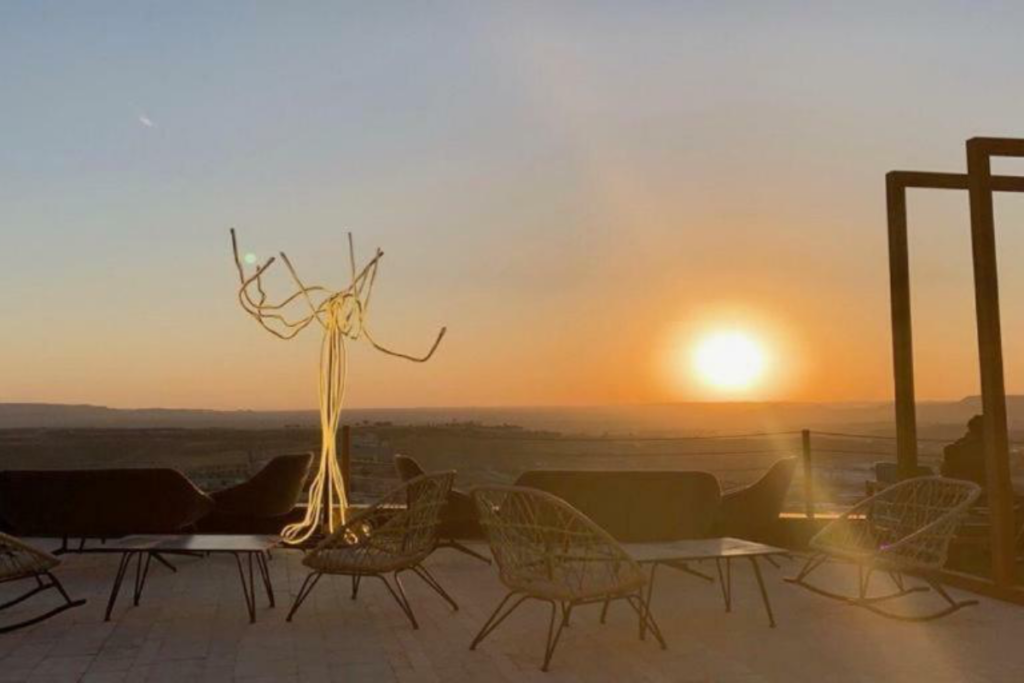
Not every natural destination needs to involve a full day’s adventure. The hills around Al Ammariyah have become a favourite escape for many Riyadh residents looking to watch the sunset or simply spend a few hours away from the city. Rolling desert scenery, rocky hills and wide-open views create a landscape that feels surprisingly peaceful despite being relatively close to the capital.
Visit in the late afternoon and you will often find families enjoying picnics, photographers waiting for the changing light and groups of friends gathering to watch the sky change colour. Sometimes the simplest landscapes leave the strongest impression.
Al Hair
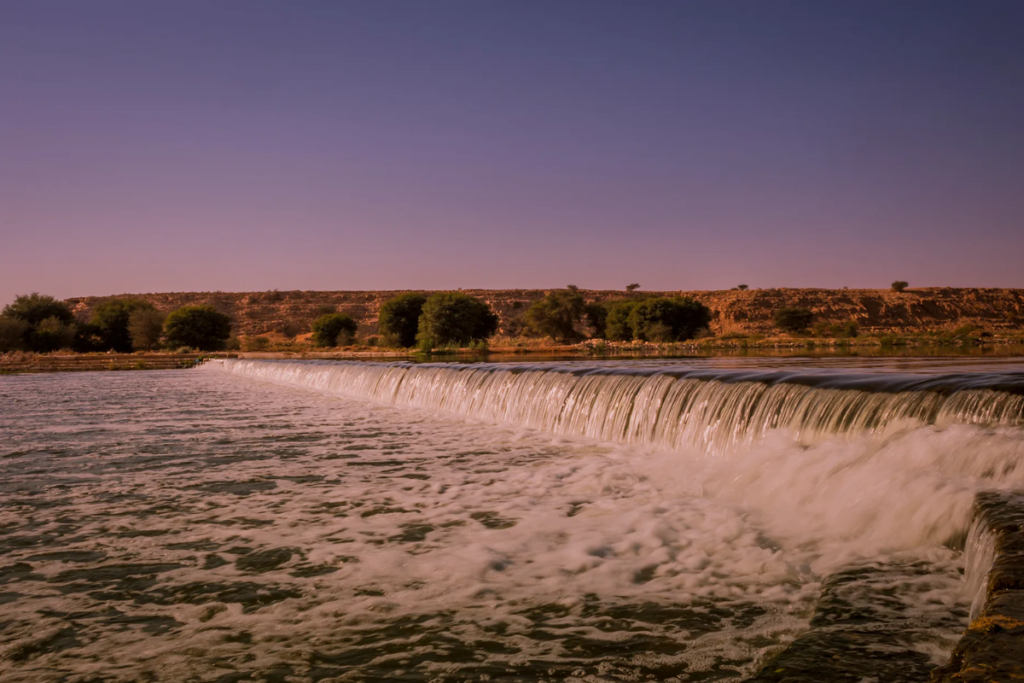
South of central Riyadh, Al Hair offers another perspective on the relationship between the city and its natural surroundings. Situated within Wadi Hanifah, the area combines agricultural land, palm groves and water with the rugged valley landscape that has supported communities for centuries. It feels noticeably greener than many first-time visitors expect, particularly during the cooler months when the surrounding countryside is at its most inviting.
Rather than dramatic viewpoints or famous landmarks, Al Hair offers something quieter. It shows how people have lived alongside this landscape for generations, making use of its natural resources while adapting to the challenges of the desert environment.
Riyadh’s Landscape Tells a Story of Its Own
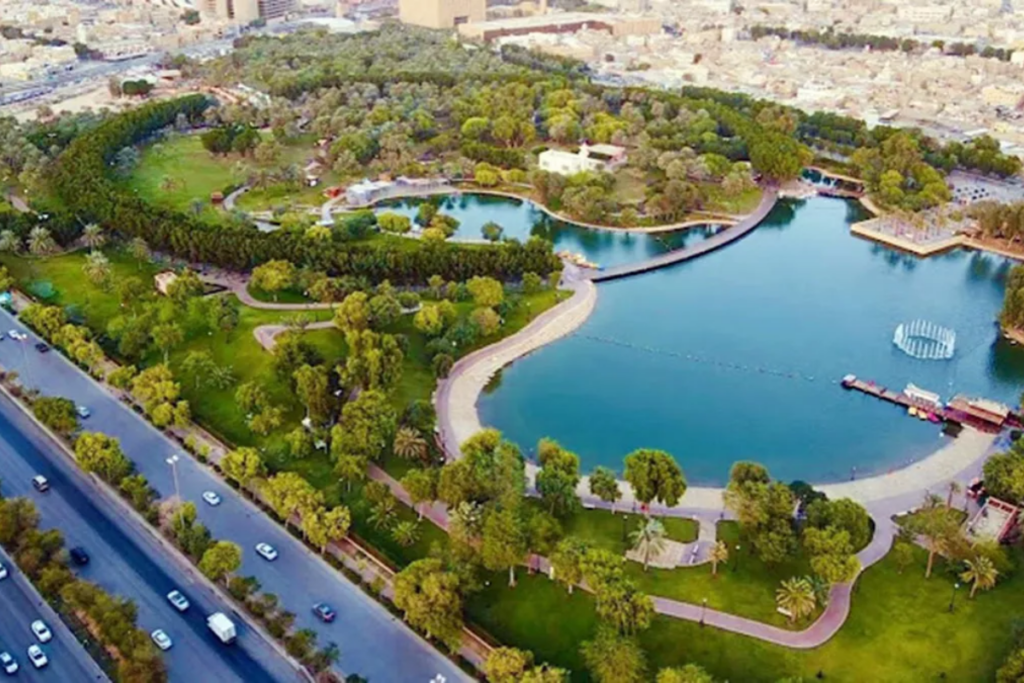
One of the biggest surprises about Riyadh is that its natural landscape is not separate from the city. It is the reason the city exists in the first place.
The valleys, escarpments and desert plains surrounding the capital have shaped settlement, agriculture and daily life for centuries. Modern Riyadh may be known for its skyline, but these landscapes reveal a much older story that continues to influence the city today.
Spend time exploring them and Riyadh begins to feel very different. Not simply like a modern capital rising from the desert, but a city whose history has always been shaped by the land around it.
Explore The Riyadh Atlas for expert guides to the city’s natural attractions, hidden gems, outdoor adventures, and unforgettable experiences across the capital.