


Ask someone to describe Saudi traditional food, and there is a good chance the conversation will begin with kabsa. That makes sense. It is one of the country’s best-known dishes and deserves its reputation. The problem is that stopping there means missing what makes Saudi food culture so interesting.
Rice, dates, wheat, and lamb appear on tables across the Gulf, so the ingredients themselves are not what make Saudi cuisine unique. What makes it distinctive is the way those ingredients have been shaped by different regions, family traditions, and one of the world’s strongest cultures of hospitality. If you want to understand Saudi Arabia, start with the food. Just do not stop at the dishes everyone already knows.
Every Cup of Saudi Coffee Tells You Something About Hospitality
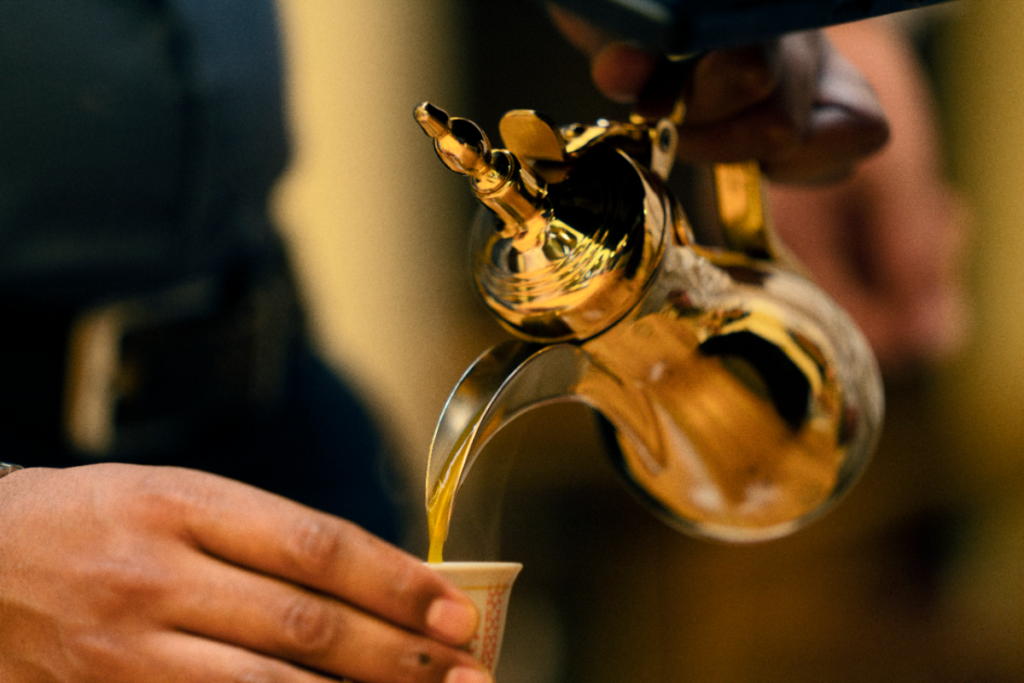
The easiest introduction to Saudi culture often begins with a small cup of coffee. Known as “qahwa,” Saudi coffee is lightly roasted, flavoured with cardamom, and traditionally served alongside fresh dates. The drink itself is important, but the ritual surrounding it matters even more.
Coffee is offered as a welcome. The host serves guests personally, beginning with the most honoured visitor before moving around the room. Cups are deliberately only partially filled and quietly topped up until the guest politely signals they have had enough by gently shaking the cup.
It is a simple tradition, yet it says almost everything you need to know about Saudi hospitality. The coffee is memorable. The generosity behind it is what people tend to remember most.
Some of Saudi Arabia’s Most Important Dishes Are Also Its Simplest
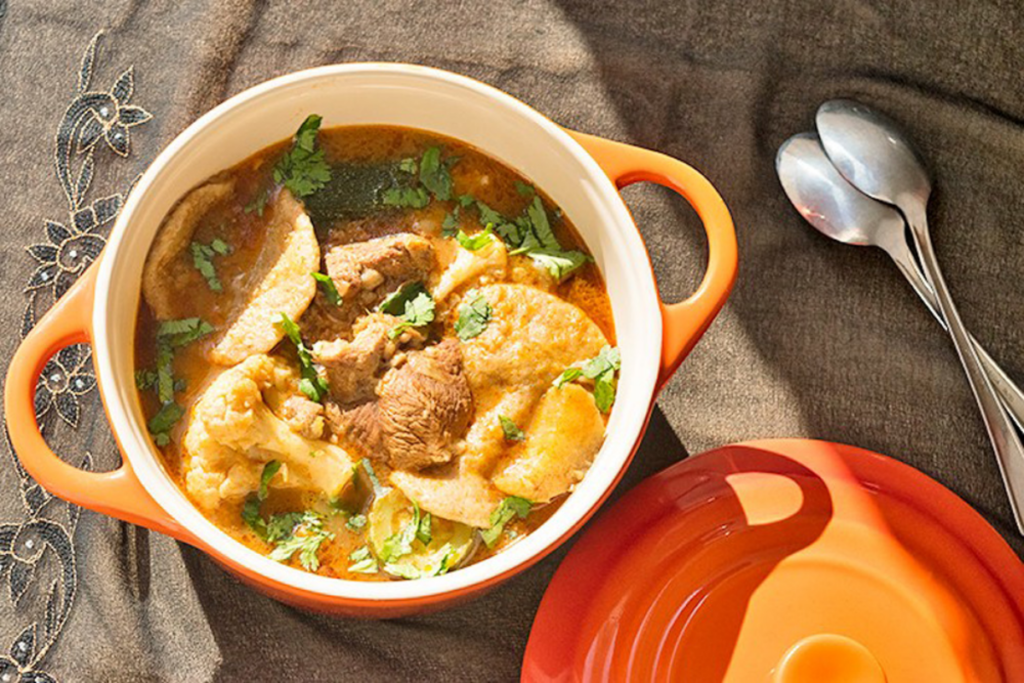
One of the biggest surprises for many visitors is how many traditional Saudi dishes rely on simple ingredients rather than elaborate techniques.
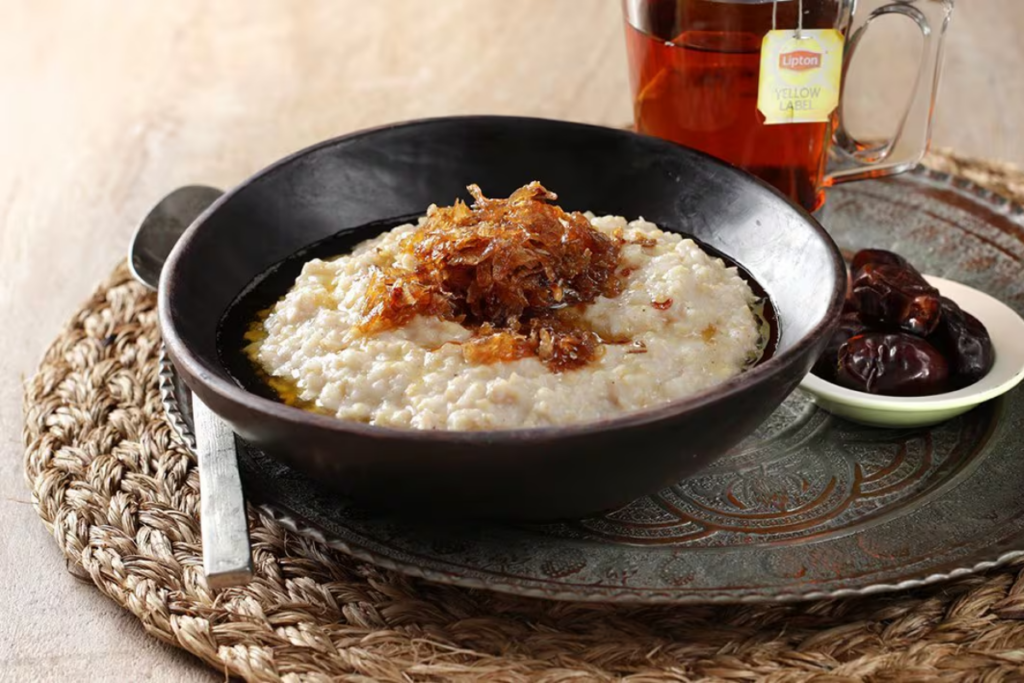
Take jareesh, one of the defining dishes of the Najd region. Made from crushed wheat slowly cooked with meat, onions, and spices until it becomes rich and comforting, it has remained part of Saudi family life for generations. In 2023, UNESCO recognised jareesh as part of Saudi Arabia’s Intangible Cultural Heritage, acknowledging not only the recipe but also the traditions surrounding its preparation.
Another dish that deserves far more attention is matazeez. Made from small pieces of hand-shaped dough cooked slowly in a rich broth with vegetables and meat, it reflects the practical style of Najdi cooking, where simple ingredients are transformed into meals designed to feed large families gathered around the same table.
Neither dish was created to impress. Both were created to bring people together around the same table. Saudi food is about creating memories that last far beyond dinner.
Family Recipes Matter Just As Much As Famous Dishes
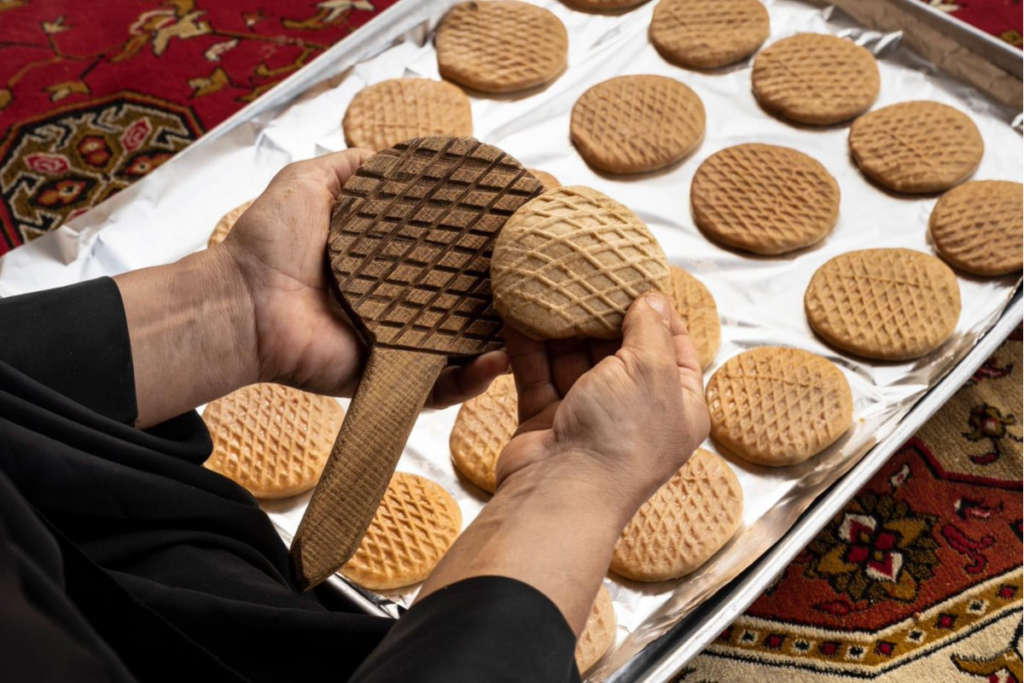
Some recipes become famous. Others become family traditions. Kleija, the spiced date-filled biscuit most closely associated with Al Qassim, sits somewhere between the two. Almost everyone agrees on the basic idea, but ask different families how Kleija should be made, and you are likely to hear several different answers.
That is part of its charm. Recipes are handed down, adjusted slightly, and passed on again. One family may add extra spices, another prefers more sesame, while someone else insists their grandmother’s version is the only authentic one.
The more traditional Saudi food you try, the more you realise the recipes themselves are only half the story. The families behind them are the other half.
The Seasons Still Shape Traditional Cooking
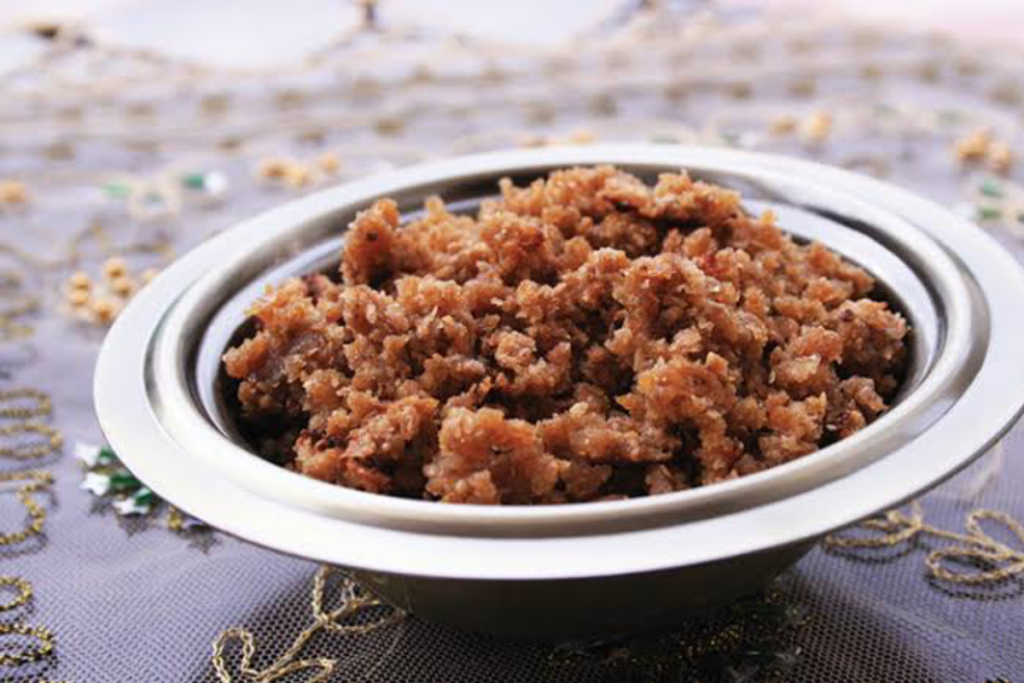
Modern supermarkets make almost every ingredient available throughout the year, yet many traditional Saudi dishes remain closely connected to the seasons.
Hanini, a comforting Najdi dish made with dates, bread, and butter, is especially popular during the cooler months. Rich, warming, and remarkably simple, it reflects a style of cooking that developed long before modern kitchens, when families relied on ingredients already available in their homes.
The same is true of qursan, another traditional Najdi favourite where thin layers of dough are cooked with meat and vegetables until they absorb the rich broth beneath them.
Neither recipe was designed around luxury. Both were designed around making simple ingredients nourishing, satisfying and worth sharing.
Riyadh Is One of the Best Places to Discover Najdi Cuisine
Saudi Arabia is enormous. Expecting one national cuisine would be a little like expecting Italy or India to have only one style of cooking. Every region has its own traditions, ingredients, and signature dishes, but living in Riyadh offers something particularly special because the city sits at the heart of the Najd region.
That makes it one of the best places to experience dishes such as jareesh, matazeez, qursan, and hanini, many of which are deeply connected to central Saudi Arabia rather than the Gulf as a whole. That makes Riyadh one of the easiest places to experience traditional Najdi food without needing to travel beyond the capital.
The city’s restaurants continue to preserve these recipes while introducing them to a new generation of diners, proving that traditional food is not something kept only for special occasions. It remains very much part of everyday life.
Saudi Food Is Really About People
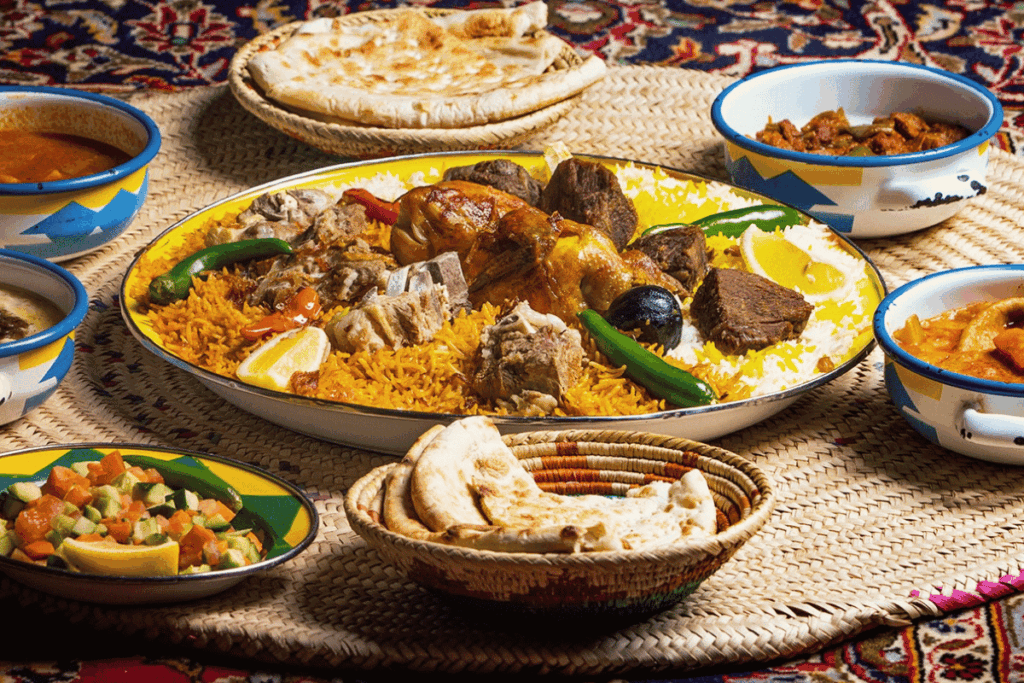
It is easy to leave Saudi Arabia, remembering the flavours. The cardamom in the coffee. Slow-cooked wheat in a bowl of jareesh. The sweetness of a piece of kleija shared after a meal. Those memories matter. But the longer you spend here, the more you realise that the food is only part of the experience.
Every traditional dish tells you something about the people who created it. About families who still pass recipes from one generation to the next. About hospitality that begins with coffee long before the meal arrives.
About regional traditions that continue to shape everyday cooking across the Kingdom. The dishes may introduce you to Saudi Arabia. The traditions are what stay with you.
Explore The Riyadh Atlas for expert guides on Saudi cuisine, local traditions, cultural experiences and the best places to eat, explore and experience across the Kingdom.