


Lebanese meals have a habit of becoming much larger than originally planned. A few cold mezze turn into hot appetisers, warm bread keeps arriving, and the mixed grill appears just as everyone insists they have already ordered enough. By the time dessert is mentioned, the table is completely full and somehow still willing to make room.
Riyadh has Lebanese restaurants for every version of that meal. Some suit a long breakfast; others feel made for family dinners or evenings where the table keeps ordering because nobody is ready to leave. These are some of the best Lebanese restaurants in Riyadh for generous food, familiar flavours and meals designed to be shared.
Best Lebanese Restaurants in Riyadh
Em Sherif Café
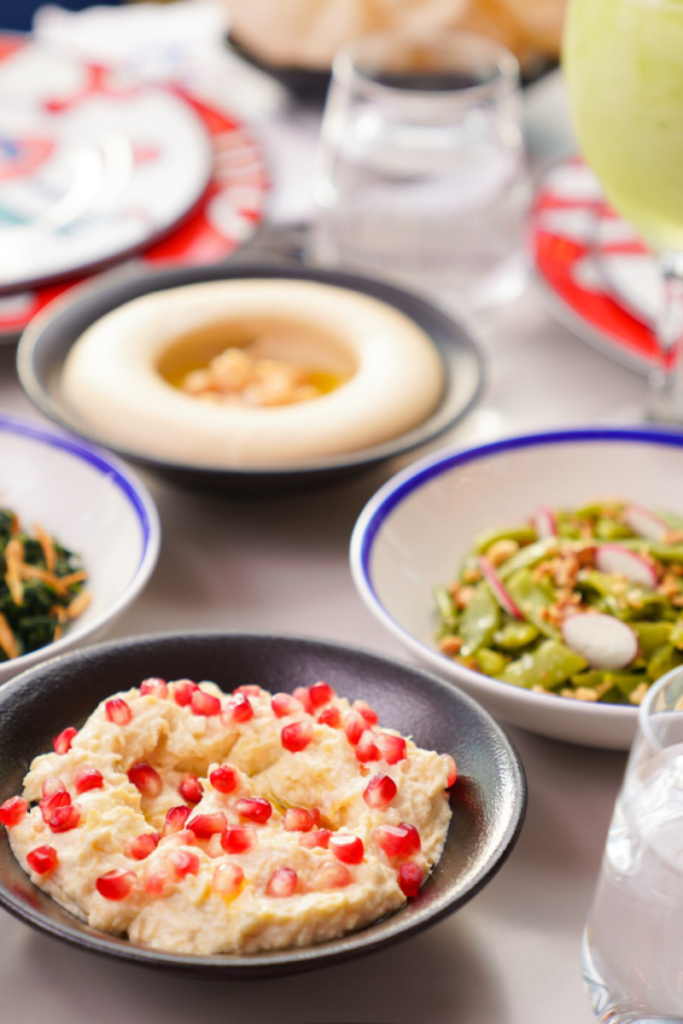
Em Sherif Café brings the feeling of a generous Lebanese table to The Zone. Open from breakfast until late, the restaurant changes naturally throughout the day. Mornings may begin with labneh, foul, eggs, and freshly baked bread, while lunch and dinner bring a much wider spread of mezze, grills, and traditional dishes.
The menu is built around sharing. Hummus, fattoush, kibbeh, and stuffed vine leaves arrive in generous portions, and it rarely takes long before every available space on the table has been claimed.
The food feels carefully prepared without making the meal overly formal. People reach across the table, order another plate halfway through dinner, and stay for coffee once everyone has finished pretending they are too full for dessert.
Em Sherif Café has also received a Michelin Bib Gourmand, recognising restaurants that serve good-quality food at a reasonable price. The guide highlighted its riz bi halib, a Lebanese rice pudding served in a glass jar, which gives diners another reason not to fill the table entirely with mezze.
The broad menu makes it especially useful when everyone wants something different. One person can order breakfast dishes, another can focus on grilled meat, and someone else may spend most of the meal working through the cold mezze. It is easy for lunch here to continue into coffee, dessert, and another round of tea without anyone noticing how much time has passed.
Yawmiyat by Dalal
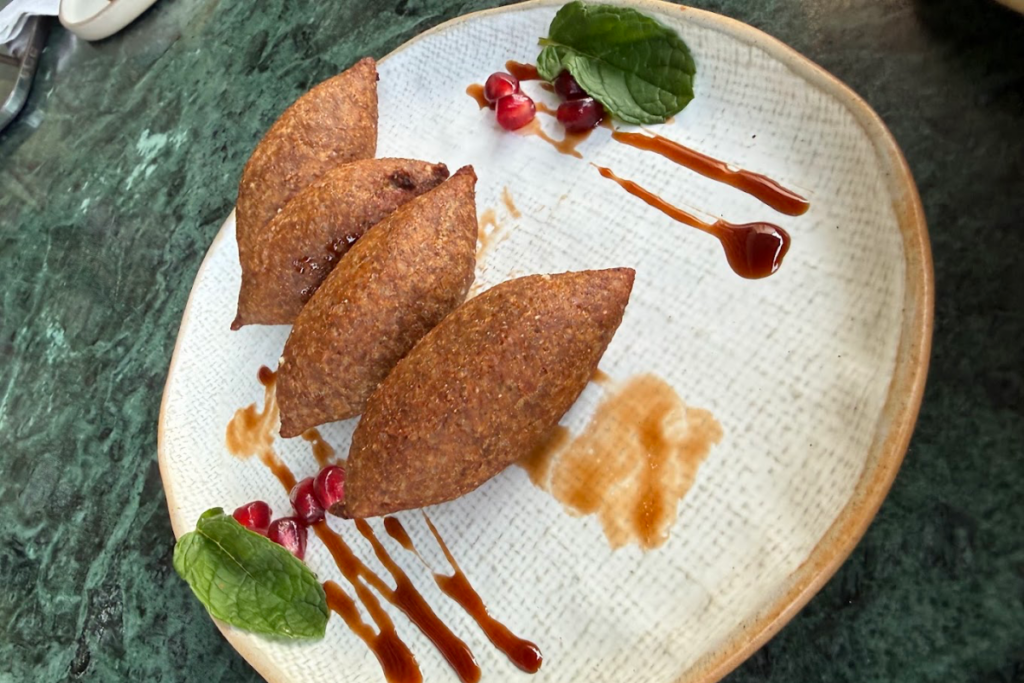
Yawmiyat by Dalal feels closely connected to the home cooking that inspired it. Lebanese owner Dalal Haj Ibrahim created the restaurant around family recipes and memories of her mother’s kitchen. What began as food prepared from home later became a family-run restaurant, with Dalal’s daughter joining the business.
That personal history comes through in the menu. Sambousek, fatteh, warak enab, moussaka, and kibbeh sit alongside salads, dips, and grilled kebabs, with a few Turkish and regional dishes appearing too.
Nothing feels included simply because diners expect to see it on a Lebanese menu. The food has the familiarity of dishes prepared repeatedly over many years, with the kind of flavours people often associate with family lunches rather than formal restaurant dining.
The space itself is cosy and relaxed. It suits a weekday lunch, a quiet dinner, or any meal where the food matters more than making a dramatic entrance.
Yawmiyat is particularly enjoyable when the table wants something comforting. Warm bread, yoghurt, olive oil, grilled meat, and slow-cooked dishes arrive without needing to be reinvented or presented as something they are not.
The plates are intended for sharing, although some dishes may inspire unexpected levels of possessiveness once everyone has had the first bite.
Villa Fayrouz
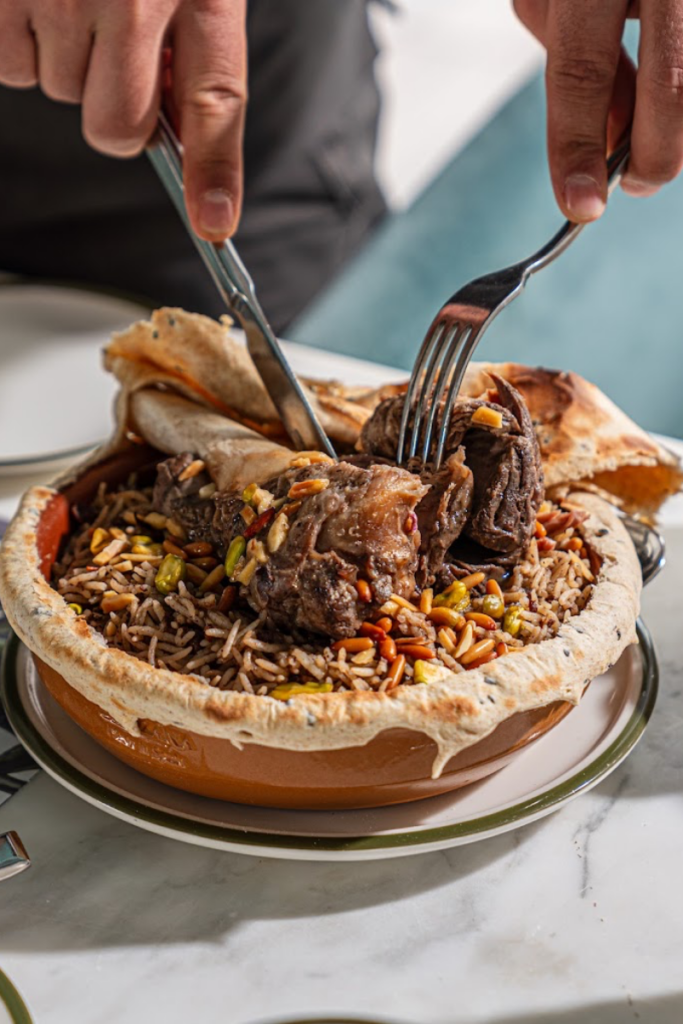
Villa Fayrouz understands that ordering too much Lebanese food is often part of the plan. The restaurant group has been serving Lebanese cooking for more than 20 years and now has branches across Saudi Arabia. Its Riyadh menu covers breakfast, mezze, pastries, grills, and traditional desserts, making it suitable for almost any time of day.
The selection is broad, but that is exactly what many people want from a Lebanese restaurant. Hummus, baba ghanoush, fattoush, falafel and baked pastries can all arrive before anyone has even started discussing the grills.
It is especially well suited to families and larger groups. Children can stay with familiar pastries or grilled dishes, while the rest of the table moves between salads, dips, raw meat dishes, and whatever has just come off the grill.
Chef Kinan, who comes from Lebanon’s Beqaa Valley, leads the food with a background shaped by his family’s falafel business and Lebanese cooking traditions. That connection gives the menu a sense of familiarity even when the dining room and presentation feel more contemporary.
Villa Fayrouz does not require a carefully planned order. Begin with the dishes everyone agrees on, add several more that nobody technically asked for, and accept that dessert will still appear at the end. By the time the kunafa arrives, the table may be completely full. That has rarely stopped anyone before.
Amar
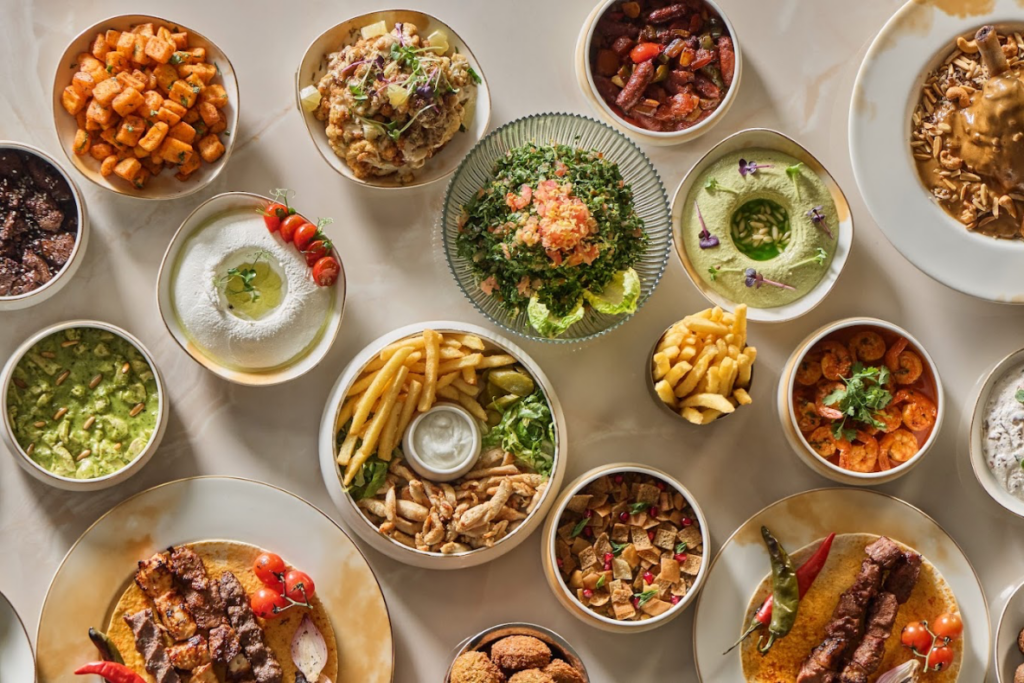
Amar arrived in Riyadh in early 2026 after becoming a popular Lebanese dining name in Jeddah. Located at La Corte Mall on Tahlia Street, the restaurant has a polished, contemporary setting but keeps the food centred around the table. Mezze, charcoal grills, and generously portioned dishes are all made for sharing.
The menu includes Lebanese favourites alongside dishes with a little more detail. Kebbeh nayyeh, shrimp fatteh, shish taouk, and filled shawarma platters are among its signatures, followed by desserts including knafeh, pain perdu, Ghazal Amar, and Umm Ali.
The atmosphere suits long, social dinners. Plates arrive gradually, conversations continue around the table, and ordering one more dish begins to feel reasonable even when there is nowhere left to place it.
Amar is particularly useful for groups because the menu allows everyone to approach the meal differently. One person may be waiting for grilled meat, another may stay close to the mezze, and somebody who claimed not to want dessert will usually become involved once the knafeh appears.
The food remains generous and communal even within the more modern setting. Nothing about the experience suggests that Lebanese dining needs to become smaller or more restrained simply because the room looks polished. It is a lively choice for dinner on Tahlia Street and an easy place for the evening to continue far longer than expected.
MLLE
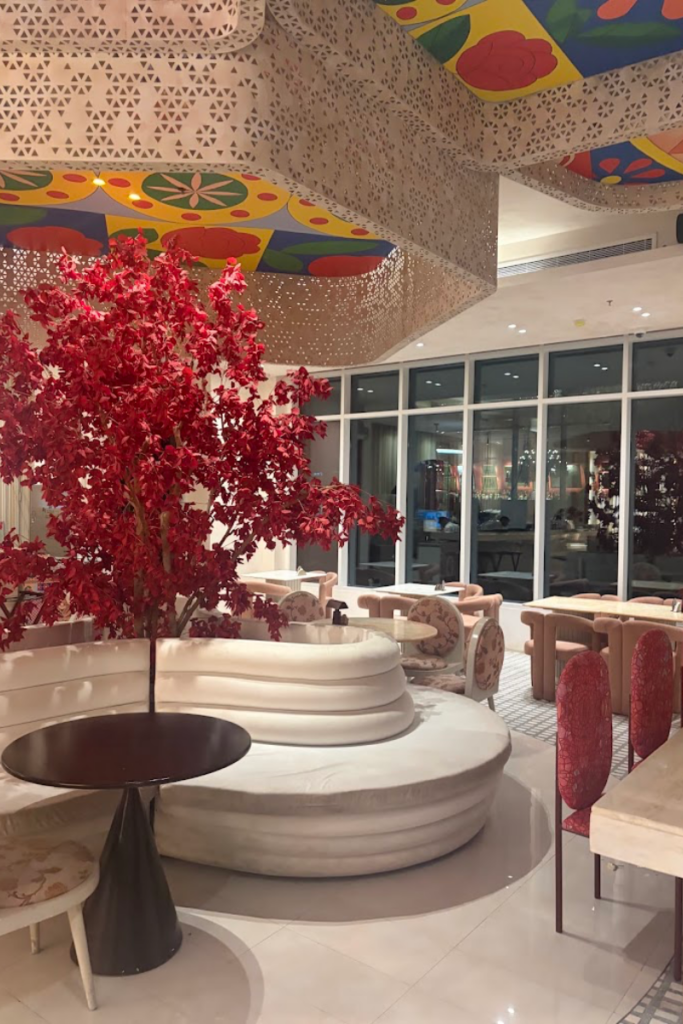
MLLE serves Lebanese food in one of Laysen Valley’s most polished dining spaces. The restaurant is close to the Diplomatic Quarter and has also been included in the Michelin Guide’s Riyadh selection. Its menu stays largely focused on Lebanese cooking, with mezze, salads, grills and familiar specialities forming the centre of the meal.
The presentation gives the dishes a little more ceremony, but the food still belongs in the middle of the table. Bread moves constantly between plates, everyone begins reaching across to try something else, and the idea of ordering only for yourself disappears fairly quickly.
The setting makes MLLE well suited to dinners that need to feel considered without becoming too formal. It can carry a celebration, an evening with friends, or a meal where Lebanese food is the reason for booking but the surroundings still matter.
Laysen Valley also gives diners somewhere to continue the evening once dinner ends, although reaching that point may take longer than planned once more dishes begin arriving.
The best approach is to leave enough room for both mezze and grills. This sounds sensible while reading the menu and becomes much harder to follow once the first bread basket reaches the table. MLLE keeps the generosity of Lebanese dining intact while giving the evening a setting that feels ready for an occasion.
How to Order Lebanese Food for the Table
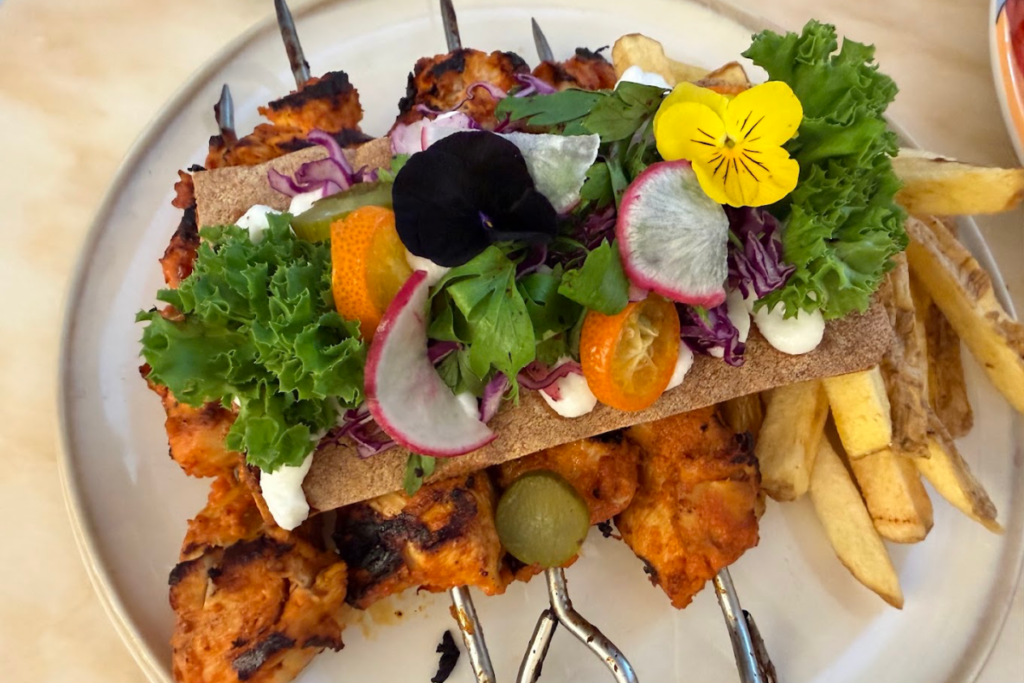
A Lebanese menu can become overwhelming very quickly, particularly when every section contains something that feels essential. Begin with a few cold mezze rather than ordering the entire list at once. Hummus, moutabbal, tabbouleh, or fattoush gives the table a good starting point before hot dishes such as kibbeh, sambousek, makanek, or grilled halloumi begin arriving.
Bread will be replaced several times. This is completely normal. If the mezze order has already grown, one or two grilled dishes may be enough for the main part of the meal. Daily dishes, stews, and stuffed vegetables are also worth considering when the table wants to try something beyond the usual mixed grill.
Do not dismiss dessert simply because everyone claims to be full. Knafeh, rice pudding, meghli, and other Lebanese sweets often arrive after the meal appears finished and somehow leave on an empty plate.
The best Lebanese meals are rarely ordered perfectly. They grow through suggestions, additions, and somebody remembering one final dish just as the server begins walking away.
The table may become crowded, and dinner may take much longer than expected. In most cases, that means the evening is going exactly as it should.
Craving authentic Middle Eastern flavours? Explore The Riyadh Atlas for more restaurant recommendations, local food guides, and the best places to eat across Riyadh.